
You’re looking for a Kilimanjaro climb that’s quieter and less expensive than the famous southern routes. The Rongai Route Budget Guide is exactly what you need. It’s the only major approach from the north, offering a more remote, scenic experience at a different angle.
But here on the ground, we see a lot of confusion. Operators shout about high success rates. The “budget” options vary wildly in what they include. And no one explains if you truly need 7 or 8 days, or if a 6-day climb is a realistic bet for you.
This guide gives you the honest, practical details brochures leave out. We’ll talk real budget, real success rates, and what each extra day actually gets you. You’ll know exactly what you’re signing up for.
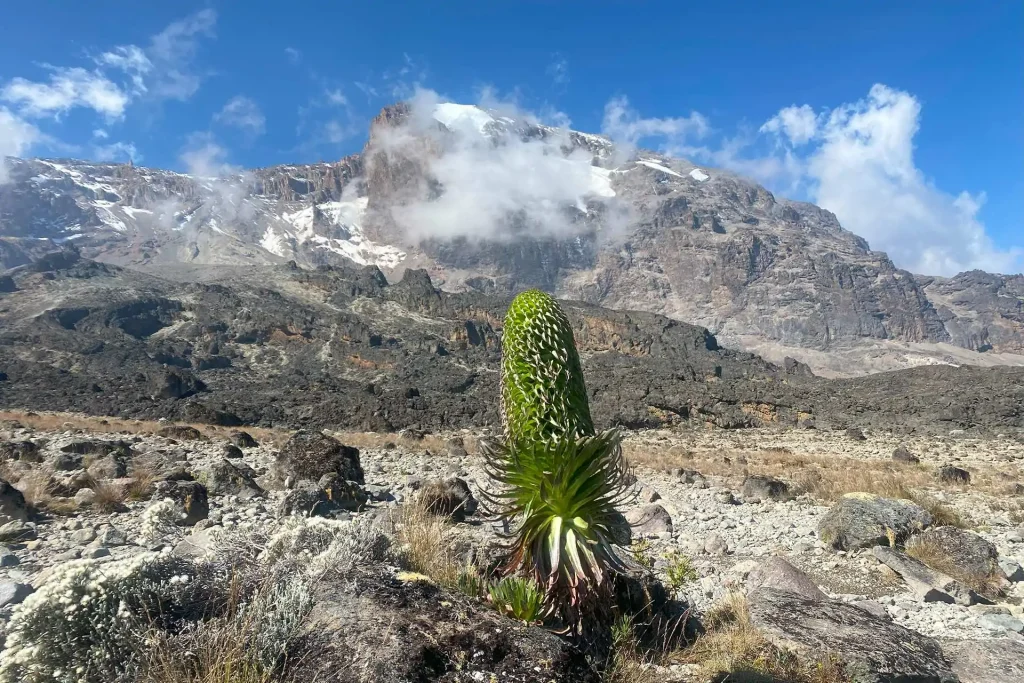
While most Kilimanjaro trekkers start on the crowded southern slopes, Rongai begins on the Kenyan side of the mountain. You drive through rural villages and farms to reach Rongai Gate, a world away from the bustle of Machame or Marangu.
The trail feels more like a wilderness hike, especially in the first few days. You’ll see fewer other groups. The scenery is drier, more open, with beautiful views over the Kenyan plains. It’s a gentle, consistent climb.
The initial slopes are less steep than routes like Machame. This makes it popular with trekkers who worry about their knees or prefer a steadier pace. It’s a confidence-builder. You gain altitude slowly, which is excellent for acclimatization.
However, don’t mistake “gentle” for “easy.” It’s still a high-altitude mountain trek. The final push to the summit is the same brutal, pre-dawn ascent everyone faces, regardless of where they started.
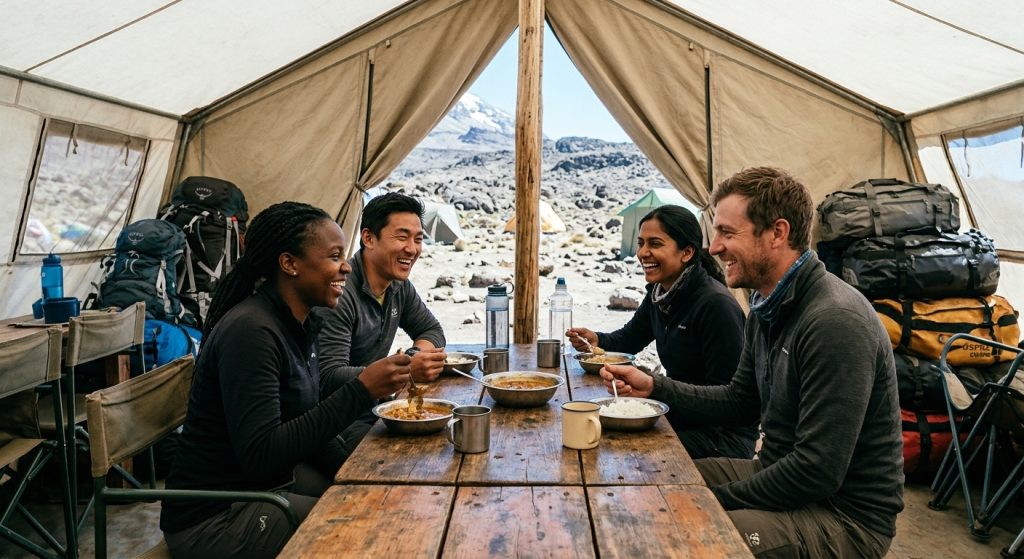
Let’s talk real numbers. “Budget” can mean anything from a bare-bones operator to a reasonably priced, full-service tour. The research shows this topic is a major gap. A true budget breakdown is hard to find.
Prices vary dramatically by season, operator reputation, and what’s included. You can see a range. But a cheap price often means cutting corners on safety, guide experience, or food quality.
A proper budget should account for everything. Your tour fee must cover park entry fees, camping fees, rescue fees, guide and porter salaries, all meals on the mountain, tents, and transport to/from the gate. Ask for a detailed list.
Exclusions are just as important. Budget for international flights, visas, hotel nights before and after, tips for your crew (a significant expected cost), personal gear rental, and travel insurance. These add up quickly.
This is the biggest source of marketing hype. You’ll see claims of 95% or even 98% success rates. On the ground, we treat these with great caution. Independent estimates are often lower.
Success depends overwhelmingly on one thing: itinerary length. A 6-day Rongai climb has a lower summit success rate than a 7 or 8-day climb. This is a non-negotiable fact of altitude physiology.
Your body needs time to adjust to thin air. More days on the mountain mean more acclimatization, a higher chance of avoiding severe altitude sickness, and more energy reserves for summit night.
An extra day isn’t a luxury; it’s an investment in your safety and summit chance. Operators offering very high success rates are almost always referring to their 7 or 8-day itineraries, not the shorter ones.
Tell us what you have in mind and we’ll build you a free, no-pressure itinerary with honest pricing — planned by a local team that runs these trips every day.
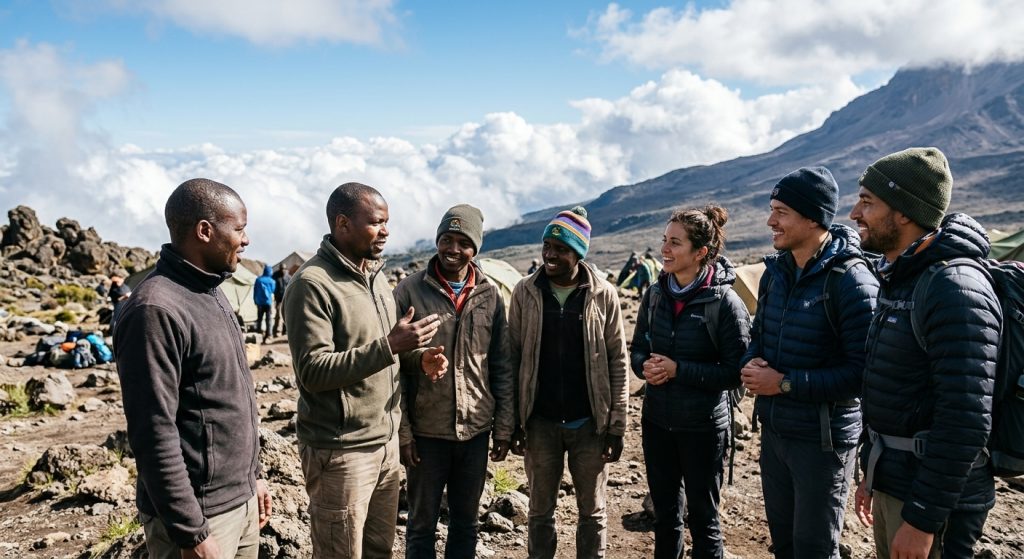
Choosing your itinerary length is your most important decision. It’s the main lever controlling cost, success chance, and overall experience. Let’s break down what each option means for you.
A 6-day Rongai climb is the shortest standard option. It’s attractive for its lower price and less time off work. But it provides the least acclimatization time. It’s best suited for very fit individuals with prior high-altitude experience.
The 7-day itinerary is the most popular and balanced choice. It adds a vital acclimatization day, often at Mawenzi Tarn. This extra day significantly increases your summit chances and makes the whole trek more enjoyable.
You walk higher during the day, then sleep lower at night. This “climb high, sleep low” principle is the golden rule of safe altitude trekking. For most people, the 7-day option offers the best value.
You’re likely looking at other options like Lemosho, Machame, or Marangu. How does Rongai fit in? It occupies a unique niche. It’s the only route starting from the north, which defines its character.
Compared to the popular Machame Route (“the Whiskey Route”), Rongai is less steep initially and less crowded. It doesn’t have the same lush rainforest start; it’s drier and more open. The summit night is similar in difficulty.
Both are excellent for acclimatization when done over sufficient days. Your choice might come down to preference for dense forest (Lemosho) or open, rolling moorland (Rongai), and of course, your budget.
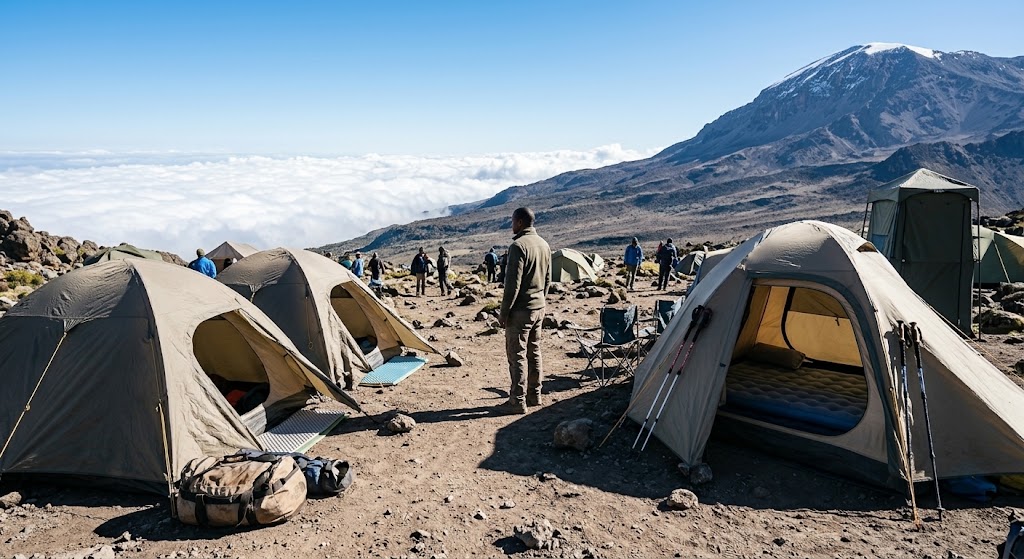
What does a day on the Rongai Route actually feel like? It starts early. You’ll wake to a hot drink brought to your tent. After packing and a hearty breakfast, you hit the trail by 8 AM.
Walking is slow and steady. Your guide will enforce “pole pole” (slowly, slowly). You’ll stop for a packed lunch on the trail. The afternoons are for resting, hydrating, and chatting with your crew at the next camp.
This is the hardest thing you’ll likely ever do. You start climbing around midnight, in the dark and cold, to reach Uhuru Peak by sunrise. It’s a steep, relentless slog on loose scree. Your success hinges entirely on your acclimatization and your team’s support.
Then you descend all the way down. It’s a long, exhausting day. This is why fitness and the right gear are non-negotiable. It’s a mental and physical marathon.
Rongai is an excellent choice for a specific kind of trekker. It suits those who want a less crowded, more wilderness-style experience. It’s good for people who prefer a steady, consistent climb over steep, rugged terrain.
It can be a great first Kilimanjaro route. The gentler start builds confidence. However, you must still be prepared for the extreme final summit push. Good baseline fitness is absolutely required.
If your dream is of walking through a magical, dense rainforest, look at Lemosho or Machame. If you absolutely need a hut-based trip (not camping), Marangu is your only option, though it has its own drawbacks.
Rongai is a camping route. You’ll sleep in tents every night. Embrace this as part of the adventure. Your crew sets up camp, cooks, and manages everything. You just need to walk, eat, and rest.
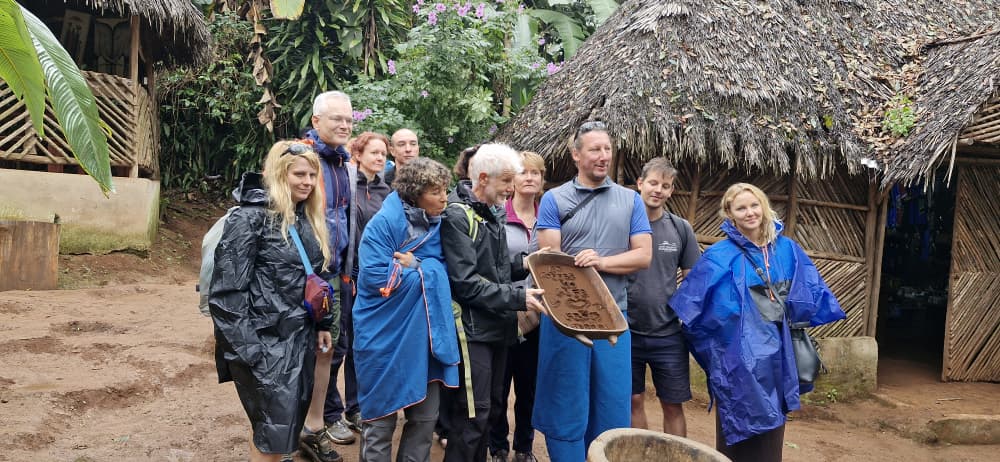
Your gear list is critical. The northern side can be colder and windier, especially on the approach to the summit. A high-quality, cold-rated sleeping bag (comfort -10°C or lower) is a must.
Layering is key. You need moisture-wicking base layers, insulating mid-layers, and a waterproof, windproof outer shell. Don’t skimp on broken-in, waterproof hiking boots and warm, durable gloves.
Start training months in advance. Focus on cardiovascular endurance (running, cycling, stair climbing) and leg strength. The best training is hiking with a weighted pack on hilly terrain.
Altitude is the wildcard. You can be the fittest person at sea level and still get hit hard. This is why the itinerary length and a slow pace are your primary defenses. No amount of fitness can replace proper acclimatization.
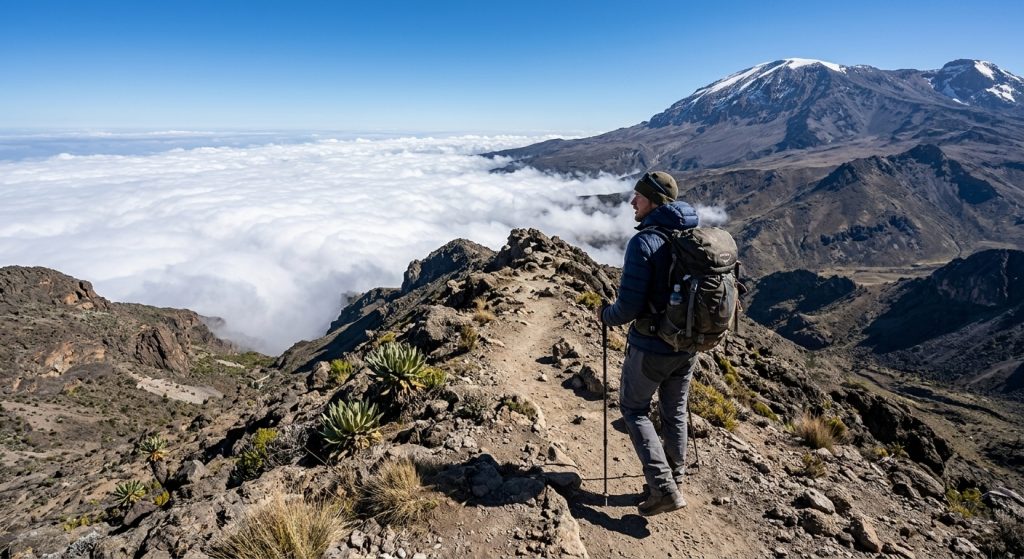
How do you choose a reliable operator amidst all the competing claims? Look past the flashy websites and high success-rate boasts. Ask direct questions about their guide-to-client ratio, their safety protocols, and their altitude sickness response plan.
A reputable company will be transparent. They’ll provide detailed itineraries, clear packing lists, and answer all your questions patiently. They should emphasize safety and a quality experience over a cheap price or a guaranteed summit.
Your head guide is your most important asset on the mountain. They monitor your health daily, often checking oxygen saturation. They set the pace and decide, based on your condition, if it’s safe for you to proceed.
A good guide is a leader, a medic, and a motivator. Their experience is priceless. This is where a well-established, local operator with a long-term team makes all the difference.