
This Machame Route Budget Guide is for you if you’re looking at the famous “Whiskey Route” and wondering if you can do it without spending a fortune. I run these climbs from Moshi, and I see the real worry behind the search: is a budget price just a cheap, unsafe trip in disguise? This guide cuts through the marketing. We’ll talk real numbers, what ‘budget’ truly includes, and how to pick an operator who gets you to the summit safely.

Online, you’ll see prices from $2,200 to over $6,000 per person for the standard 7-day Machame climb. That’s a huge range. The lower end often represents the baseline cost for a responsible, local operator. A price significantly below $2,000 for a 7-day climb is a major red flag.
True budget planning means understanding value, not just the sticker price. The real cost is shaped by what’s included: park fees, wages, food, and tents. A trustworthy operator’s budget price covers these essentials with fair pay for the crew. A suspiciously cheap one cuts corners on safety, food, or porter welfare.
A transparent budget breakdown builds trust. Your quoted price should clearly include park fees, camping fees, rescue fees, guide and porter salaries, meals, drinking water, and all camping gear (tents, mattresses). It should also cover transport to and from the gate.
Ask what’s excluded. Common extras are tips for the crew (a significant and mandatory cultural practice), gear rental (sleeping bags, trekking poles), accommodation before and after the climb, and airport transfers. Budgeting an additional $250-$400 for tips and personal rentals is standard.
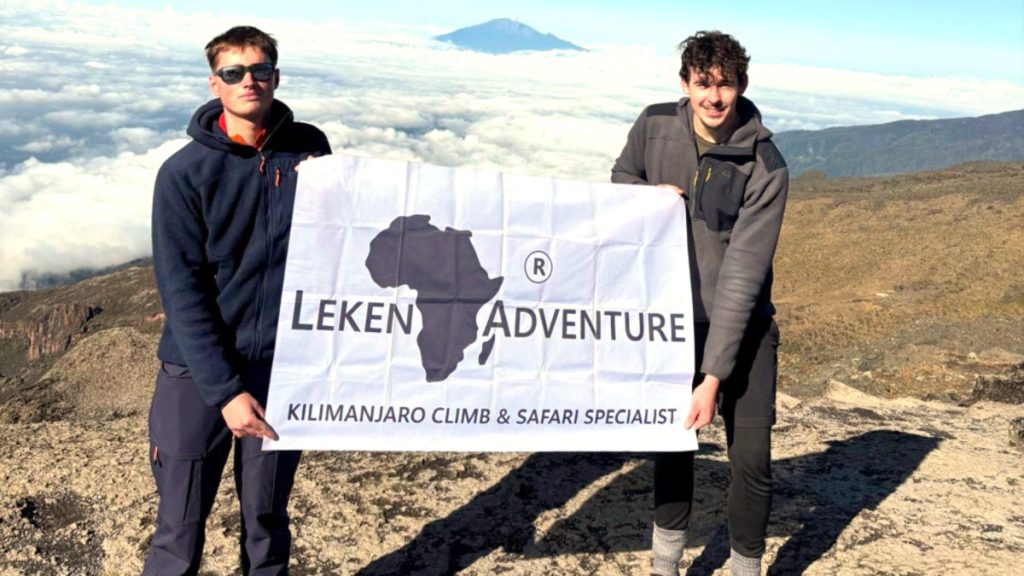
This is the most critical step. Your safety and summit success hinge on the team you hire. Look for operators licensed by the Kilimanjaro National Park and the Tanzania Tourist Board. Membership in the Kilimanjaro Porters Assistance Project (KPAP) is the gold standard for ethical treatment, ensuring your crew has proper gear, food, and fair wages.
Don’t just trust a website badge. Ask for their KPAP partner registration number. Read recent reviews on independent platforms like TripAdvisor, focusing on comments about guide experience, food quality, and equipment condition.

Traveling alone? You’re not alone in that. Most budget climbs are run as shared group departures. This is your most affordable option. You’ll join a small group of other climbers, typically 4-8 people. The cost is fixed per person, and you share guides, porters, and communal camping equipment.
If you have very specific dates, want to set your own pace, or are a larger family/friend group, a private climb is better. The price will be higher, as all costs are for your group only, but it offers complete flexibility. For a solo traveler, this is a significant premium.
Tell us what you have in mind and we’ll build you a free, no-pressure itinerary with honest pricing — planned by a local team that runs these trips every day.
The classic 7-day Machame itinerary is designed for better acclimatization than the 6-day option, which is why it has a higher summit success rate. It’s a scenic, steep start through rainforest, transitioning to moorland and alpine desert.
Each day has a clear goal. You trek from camp to camp, gaining altitude gradually. The key is the “climb high, sleep low” principle on days like going to Lava Tower (4,630m) before descending to Barranco Camp (3,960m). This process is critical for your body to adjust.
Summit night on Machame is a marathon. You wake around midnight at Barafu Camp (4,673m) and begin a steep, cold climb to Stella Point (5,739m) on the crater rim, aiming to reach Uhuru Peak (5,895m) for sunrise. It’s a profound physical and mental challenge, followed by a long descent the same day.
The advertised ~85% success rate for the 7-day Machame route is realistic for well-prepared climbers with a good operator. Your personal odds come down to three things: choosing the longer 7-day itinerary, proper pre-trip fitness, and listening to your guide’s pace advice on the mountain.
Altitude sickness is the primary reason people don’t summit. It’s unpredictable. A good guide constantly monitors the group for symptoms and has the authority to descend a climber if needed. Your safety is always more important than the summit.
You don’t need top-of-the-line everything. Focus on a few critical items: a very warm sleeping bag rated for -10°C or lower, a quality down jacket, waterproof layers, and broken-in, supportive boots. Many operators offer these for rent in Moshi, which can save you hundreds of dollars.
Pack layers. Temperatures swing from hot and humid in the rainforest to well below freezing at summit night. Your daypack should carry water, snacks, sunscreen, and a rain layer. Porters will carry your main duffel bag between camps.
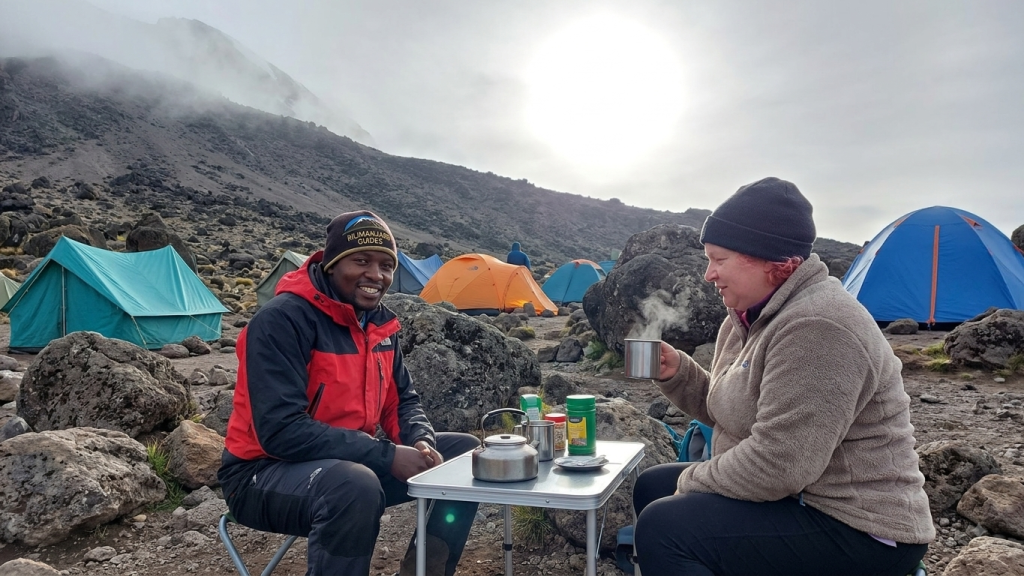
End of October is a shoulder season, just after the short rains begin. This can be a good time. The trails are quieter than in peak season (July-September), and the mountain is lush. The trade-off is a higher chance of rain in the forest and moorland zones.
With the right waterproof gear, it’s very manageable. The skies often clear higher up. It’s less crowded, which many climbers prefer. Just be prepared for mud on the lower trails and pack your rain cover for your backpack.
While researching Machame, you’ll see other names like Lemosho, Rongai, and Marangu. Machame is popular for good reason: it’s scenic, has a high success rate with 7 days, and is widely available. The Lemosho Route is similar but starts further west, is longer, and often more expensive.
Marangu, the “Coca-Cola” route, is the only one with hut accommodations. It has a lower success rate due to a shorter, less effective acclimatization profile. For a first-time climber seeking the best chance, the 7-day Machame remains a top-tier, value-conscious choice.

Your budget pays for a team. A typical group has a lead guide, an assistant guide, a cook, and porters (usually 2-3 per climber). These are professionals who know the mountain intimately. Their expertise—from setting the perfect pace to preparing meals at altitude—is your single biggest asset.
Tipping this crew is not optional; it’s a core part of their income and a sign of your gratitude. The standard guideline is $20-$25 per day for the lead guide, $15-$20 for assistant guides, $10-$15 for the cook, and $8-$10 per day for each porter. Budget this from the start.
The most affordable way is to join a scheduled group departure with a licensed, KPAP-affiliated local operator. This shares costs like guides, permits, and logistics among all climbers, bringing the per-person price down.
Yes, but you must join a group. Solo private climbs are prohibitively expensive as you bear all costs alone. Reputable operators will place solo travelers into existing group departures for a standard per-person rate.
For the recommended 7-day itinerary, the average summit success rate is around 85%. The shorter 6-day version has a significantly lower rate, often below 70%, due to less acclimatization time.
Safety depends entirely on the operator’s standards, not just the price. A responsible budget company invests in trained guides, proper equipment, and ethical crew treatment. Always verify KPAP membership and read recent safety-focused reviews.
Common exclusions are tips for the crew, personal gear rental (sleeping bag, poles), travel insurance, flights, visas, and hotels before/after the climb. Always ask for a detailed “inclusions/exclusions” list.
Plan for an additional $250-$400 total per climber, depending on group size. This is a critical part of the crew’s livelihood and is presented as a group tip on the last day.
Yes, it can be excellent. It’s a shoulder season with fewer crowds. Be prepared for some rain on the lower slopes, but higher elevations are often clear. It’s a good balance of value and experience.
Choosing the absolute cheapest operator without checking their safety and ethical credentials. The second biggest mistake is attempting the shorter 6-day itinerary to save money, which drastically reduces summit chances.
You need good cardiovascular endurance. The best training is hiking on hills or stairs with a loaded daypack, 3-4 times a week for 2-3 months. Summit night is a steep, 6-8 hour climb at high altitude.
The extra day is an acclimatization day. It follows the “climb high, sleep low” principle, giving your body crucial time to adapt to the altitude. This one day is the primary reason for its higher success rate.
In summary, this Machame Route Budget Guide breaks down what you truly get for your money and how a careful approach can make a safe, ethical, and successful Budget Machame Trek a reality—even if you’re watching every dollar.