Kilimanjaro Weather 101
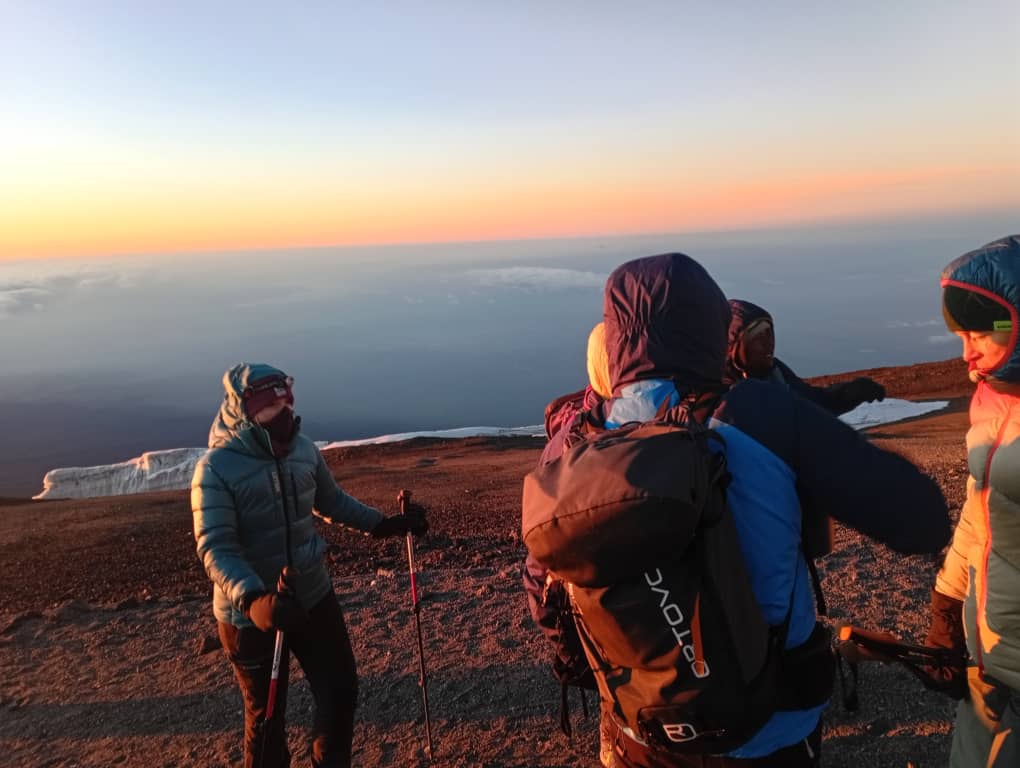
Kilimanjaro’s weather is a bit different. It doesn’t have regular seasons like summer or winter. Instead, it splits into wet and dry periods. The dry months from June to October and December to March are the most popular. It’s usually clear and sunny, perfect for climbing. The wet months, like March to May, can make trails slippery. You might want to avoid these if you’re not a fan of rain.
As you climb Mount Kilimanjaro, the temperature drops significantly. At the bottom, think warm like a pleasant day at the beach—around 70 to 80 degrees Fahrenheit. But at the top, it’s freezing, sometimes even reaching minus 4 degrees Fahrenheit! Different parts of the mountain experience different weather, from warm bushland to snowy, cold heights.
Every step upwards brings a change in climate. In the bushland, it can be warm and a bit sticky. Rise higher to the rainforest, and it gets wetter. Keep going, and you’ll feel the cool alpine air, sometimes with snow. Dressing in layers will help you stay comfy as the weather changes. Remember, no matter when you visit, the peak can be very cold!
Best and Worst Times to Climb
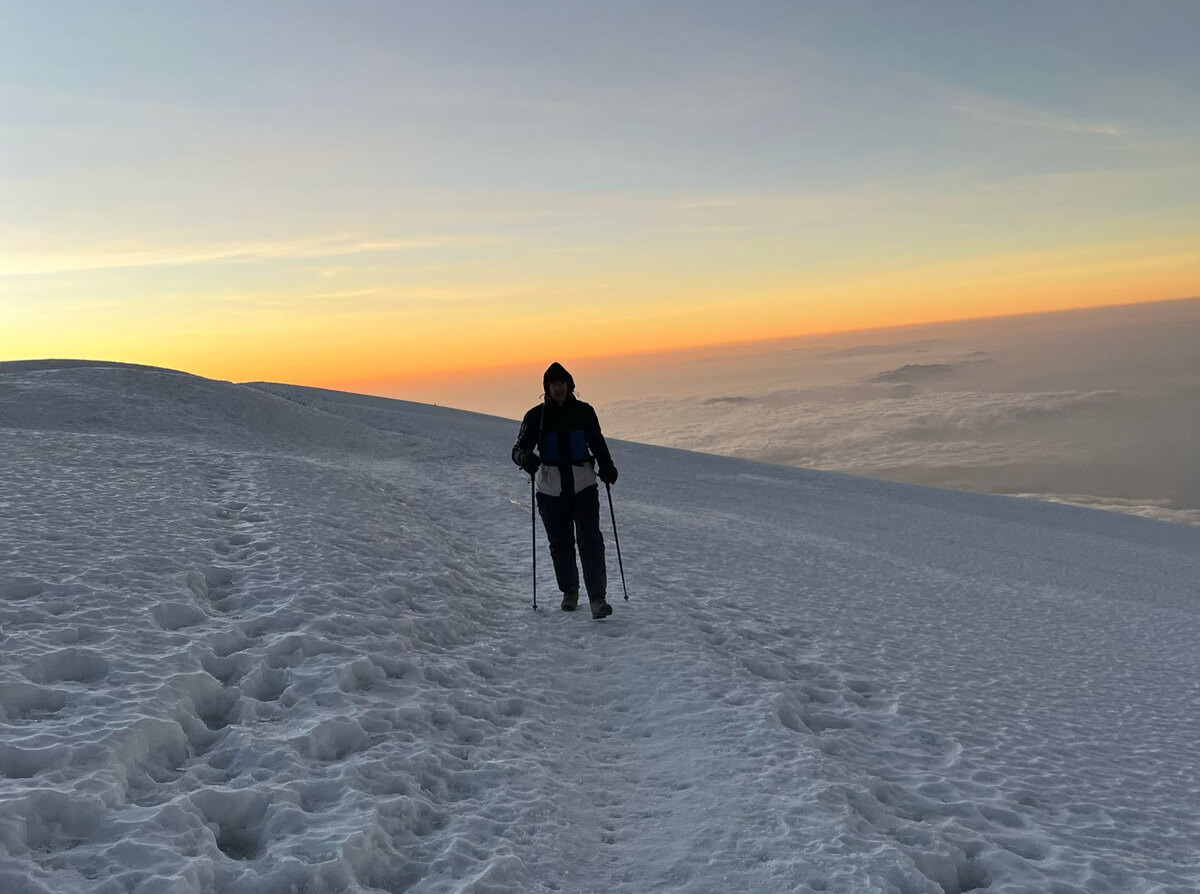
Most folks aiming for Kilimanjaro prefer climbing between June and March. These periods promise clear skies and reduced rain, making your adventure more enjoyable. June to October is a long dry stretch. It’s also the busiest time, so expect more climbers on the trail. From January to March, climbing conditions are also favorable but often less crowded.
On the flip side, March to May is a time to tread carefully. The heavy rains can make paths muddy, increasing the risk of slipping. The idea of being surrounded by rain might not appeal to everyone. So if you prefer a more stable journey, avoiding these months can make your trip smoother.
Different climbing routes may handle weather better. Options like the Rongai route can be a good pick during the rains. It starts on the drier northern side, giving you some shelter from the elements. Always research the best fit for your trek.
How Weather Affects Your Climb
Weather on Kilimanjaro isn’t just a concern for your comfort; it impacts how hard or easy your climb will be. Clear days mean better views and more motivation to keep moving. On a sunny day, you can see the beauty of the surrounding plains clearly. But a rainy climb can mean slippery paths, adding extra challenge.
Humidity plays a role too. During wetter months, it can make you feel sticky and a bit tired. It’s important to pace yourself when climbing. Plus, sudden changes in weather can happen, especially as you reach higher altitudes. Being prepared with the right gear is essential.
The summit can be particularly cold with strong winds. Even if you start your climb in warm weather, packing warm clothing is crucial. Layers, gloves, and a good hat can keep you toasty at the top. Keeping comfortable will make your adventure more enjoyable.
Climbing Tips for Any Weather

Whatever the weather, preparation is key. Layering is your friend. Start with a warm base layer, then add more as needed. Quick-dry clothes can be a lifesaver during rains. A rain jacket that’s easy to pack is essential in case of sudden showers.
Your feet are doing most of the hard work, so treat them well. Good-quality boots are non-negotiable. Make sure they’re well broken-in and comfy. Bring extra socks, just in case they get wet.
Preparedness beats any challenge. Learn the weather for your planned climb, and adjust your packing list accordingly. Don’t forget to keep your spirits high. Positive energy goes a long way on the trail!
In a nutshell…
Kilimanjaro offers an adventure like no other. While aiming for June to March for a drier experience is smart, it’s not always about avoiding rain, but being ready for anything. With the right gear and mindset, your climb can be both rewarding and memorable. Want help planning your adventure? Friendly assistance is just a click away. Make your dream climb happen by contacting us here.
FAQs
- Q: What is the best month to climb Kilimanjaro?
- A: The best months are generally from June to October and December to March when the weather is dry and clear.
- Q: When should you avoid climbing Kilimanjaro?
- A: It’s best to avoid March through May due to heavy rains which make the trails slippery.
- Q: What is the weather on Mount Kilimanjaro in October?
- A: October is the tail end of the dry season, generally clear but can start seeing rains toward the end.
- Q: Kilimanjaro weather in February: Good for climbing?
- A: Yes, February is in the short dry season, making it a favorable time to climb.
- Q: Mount Kilimanjaro weather by month humidity levels?
- A: Humidity varies by zone but is typically higher in rainforest areas and lower in alpine zones.
- Q: Does it snow on Kilimanjaro every month?
- A: Not every month. Snow is more common at the summit during colder months.
- Q: Kilimanjaro temperature at summit by season?
- A: Temperatures can drop to minus 4 degrees Fahrenheit, particularly during the night.
- Q: Best routes for Kilimanjaro dry season?
- A: Machame and Rongai are popular choices during the dry months for their scenic views.
- Q: How crowded is Kilimanjaro in June-October?
- A: The trails can be busy as it’s the most popular time to climb, with many adventurers.
- Q: Kilimanjaro rain risks by altitude zone?
- A: Lower zones like the rainforest have more rain, while alpine and arctic zones are drier.

