
You’ve seen the jaw-dropping photos of the Serengeti migration, and you’re ready to plan your own four-day trip to witness it. But then you start looking at the 4 Days Serengeti Migration Safari Price. Quotes range from $1,300 to over $2,400 per person, and you’re left wondering what you’re really paying for—and what you might be missing.
As a local operator, I see this confusion all the time. The price isn’t just about the bed you sleep in; it’s about the experience you’re buying. This guide cuts through the confusion. We’ll look at real costs, explain what drives them, and show you how to match your budget to the right kind of 4 Days Serengeti Migration Safari Price experience, so your once-in-a-lifetime trip is everything you hope for.
Let’s start with the numbers you’ll see online. For a 4-day migration-focused safari, total per-person costs typically start around $1,300 for a solid mid-range lodge-based trip. A premium migration experience can range from $1,700 to $2,400.
To understand this, you need to think in daily rates. Budget camping safaris can run $100–$200 per day, mid-range lodge safaris $350–$450, and luxury safaris $500 to $1,500 or more per day. But a migration safari often sits in the upper mid-range or luxury bracket. Why? It requires strategic positioning in specific, sometimes remote, areas of the park to find the herds, which influences where you stay and how you travel.
That daily rate bundles your vehicle, guide, fuel, park fees, meals, and accommodation. It’s the core package. The wide range comes from the huge difference between a basic campsite and a luxury tented suite, or between a shared minibus and a private, open-sided 4×4. For the migration, your vehicle and guide’s expertise are your most important tools.
This is the most common gap in online listings. An “all-inclusive” safari almost always includes park fees, which are a significant fixed cost (currently $70 per person per day for non-resident adults in the Serengeti). It also covers all your meals, accommodation, transport in the safari vehicle, and services of a professional guide.
What’s almost never included? Your international flights, visas (USD $100 for most nationalities), travel insurance, and tips for your guide and camp staff. Alcoholic drinks are often extra outside of luxury camps. Also, remember the transport to and from the park: many quotes start from Arusha, so you need to budget for your flight or drive to get there first.
A very low price might mean sharing a vehicle with 6-7 others, staying in public campsites, or having park fees listed as an extra “local payment.” Always ask for a final, itemized quote. A trustworthy operator will provide this breakdown without hesitation, showing you exactly where your money goes.
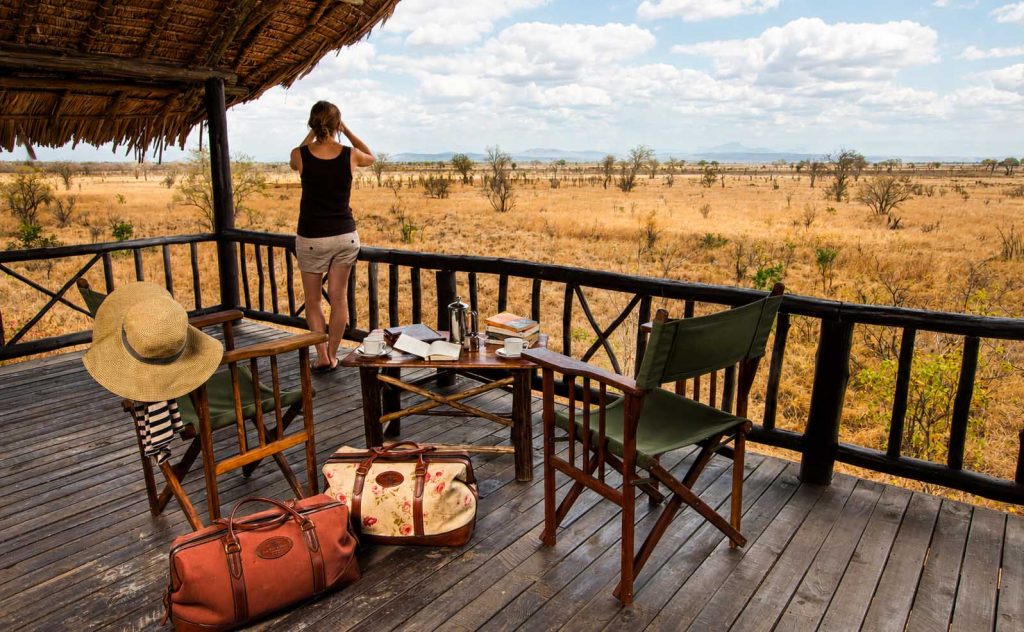
Your choice between camping and lodges is the single biggest factor in your 4 Days Tanzania safari cost. A budget camping safari is an adventure. You’ll stay in public campsites, which are basic but located right in the park—you fall asleep to the sounds of the bush. Meals are prepared by your cook.
A mid-range lodge safari offers comfort and consistency. You’ll have a private room with an ensuite bathroom, often a swimming pool to cool off in, and reliable electricity. The experience is more about wildlife by day and comfort by night. For many first-time travelers, this is the perfect balance, which is why the $1,300-$1,700 range is so popular.
Regardless of your budget, a fantastic guide is priceless. They’re the ones who find the wildlife, explain animal behavior, and ensure your safety. A good operator invests in their guides with continuous training. This is an area where paying a little more often gets you a lot more value out on the plains.
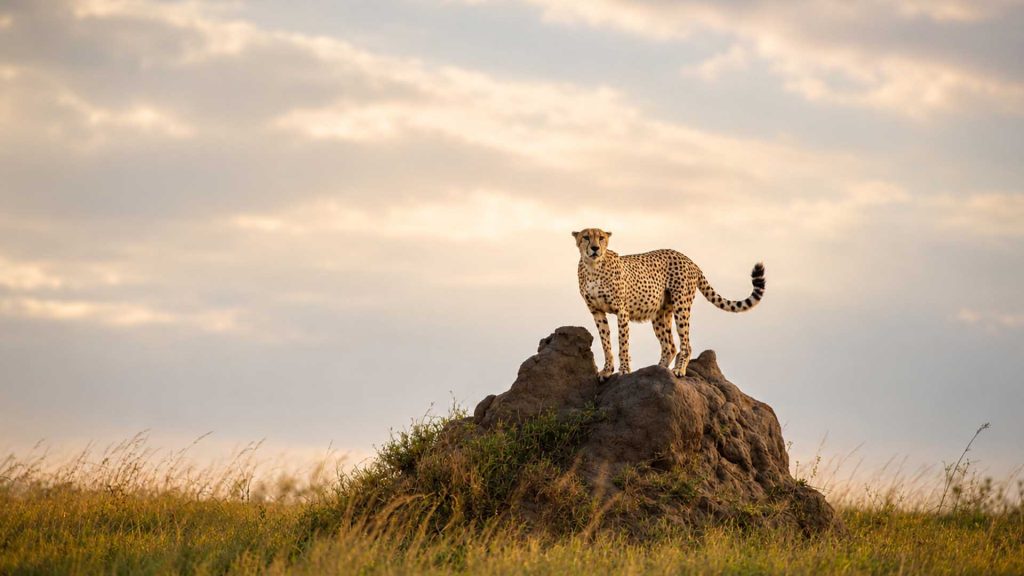
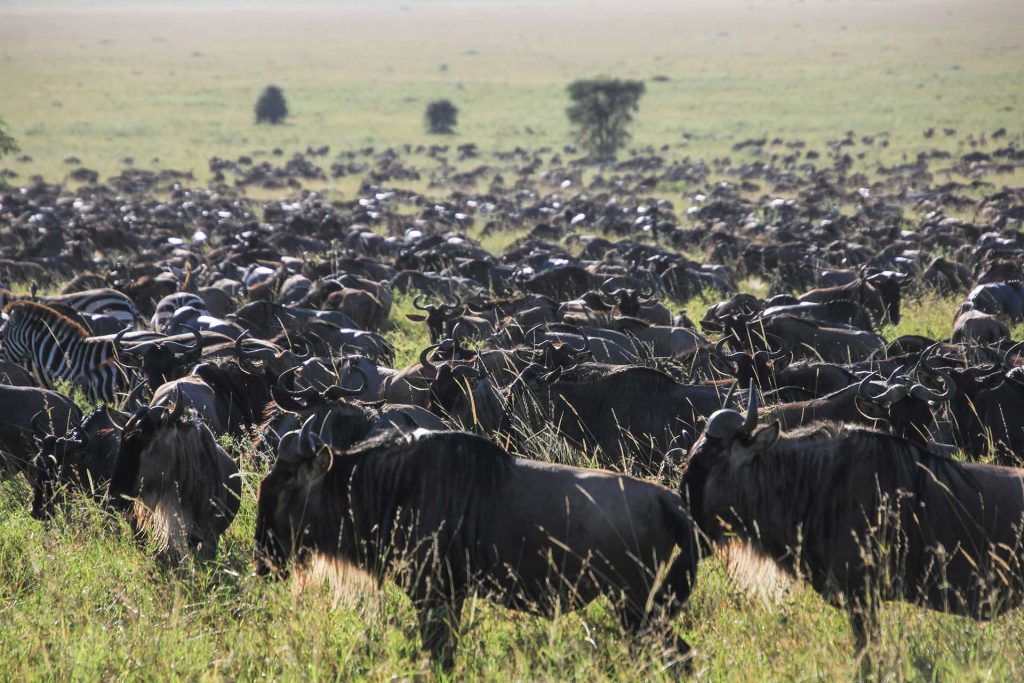
This is a key question. The Great Migration is a year-round cycle, not a single event. In a four-day window, you can’t follow it—you have to meet it where it is. Your timing is everything. From roughly December to March, the herds are in the Southern Serengeti and Ndutu area for calving season. From July to October, they’re in the Northern Serengeti, often crossing the Mara River. The Serengeti migration safari price July October period tends to be among the highest due to increased demand during this peak migration season.
For a four-day trip, you must pick the right Serengeti region based on the season. A July safari booked to the Southern Serengeti will miss the river crossings. A good operator will ask for your dates first, then tell you where the migration is likely to be and plan your route accordingly. This precise logistical planning is part of what you pay for.
Tell us what you have in mind and we’ll build you a free, no-pressure itinerary with honest pricing — planned by a local team that runs these trips every day.
Seasonality affects both cost and experience. The peak, dry seasons (June-October and December-February) offer the best wildlife viewing—animals gather around water sources, and the grass is low. This is also when demand and prices are highest, especially for lodges and camps in the migration corridor. The Serengeti migration safari price July October can reach its highest levels due to the river crossings attracting visitors from around the world.
The “green season” (March-May, and November) often has lower rates. The landscape is lush and beautiful, there are fewer vehicles, and it’s birthing season for many antelope. The trade-off can be occasional heavy, brief showers. If you don’t mind some rain, this period offers fantastic value and a different, vibrant perspective on the ecosystem.
If your heart is set on the July-October river crossings, book at least 6-9 months in advance. The best camps in the Northern Serengeti sell out early, and last-minute deals are rare. Planning ahead secures your spot and often a better price.
Don’t underestimate the vehicle. A standard, pop-top minibus is cost-effective and fine for main roads. But for serious wildlife viewing and going off-road in permitted areas (like some concession zones), a 4×4 Land Cruiser with an open roof is superior. It’s more comfortable on rough tracks and gives everyone an unobstructed view.
Then there’s the group size. A private vehicle gives you complete control over your daily schedule—you decide when to leave, when to stop for lunch, and how long to watch a leopard. Sharing a vehicle cuts costs significantly but means compromising with fellow travelers. The choice directly impacts your daily rate and your experience.
Operators often offer add-ons. The most famous is the hot air balloon safari, which costs around $559-$599 per person. It’s a magical experience, floating silently over the plains at dawn, often followed by a champagne breakfast. It’s a splurge, but most who do it say it was a highlight.
Other upgrades might include visits to a Maasai village (ensure it’s an ethical, community-benefit visit), or special photography safaris with skilled driver-guides who understand light and positioning. Consider your priorities. Sometimes, putting that extra budget toward a better vehicle or an extra night in the park adds more value than a one-off activity.
If you’re on a tight budget, focus your funds on the core safari. The wildlife viewing from your standard game drive vehicle will be spectacular. The balloon ride is incredible, but you won’t feel you missed out if you skip it—the real show is at ground level.
You can book lodges directly online, but for a seamless 4-day safari, using a reputable local operator or agent is highly recommended. We handle all the logistics: park entry permits, vehicle transfers, lodge bookings, and guide coordination. If a tire goes flat or a lodge is overbooked, we solve it. You just enjoy the ride.
A good agent provides peace of mind. Look for one based in Tanzania, with detailed, responsive communication. Ask them specific questions about guide experience, vehicle condition, and their sustainability practices. Their answers will tell you more than any glossy brochure.
First, be flexible with your dates if you can. Shifting your trip by a week or choosing shoulder season can lead to significant savings. Second, consider a small group tour if you’re traveling solo or as a couple; it’s cheaper than a private safari but more intimate than a large group.
Third, communicate clearly with operators. Tell them your budget and must-haves. A good planner can often suggest a similar, less expensive lodge in the same area or recommend a different routing that saves on long transfer days. Your budget is a key piece of information for designing the right trip and can help you discover the most reasonable 4 Days Tanzania safari cost for your adventure.
Before you confirm any booking, have a final checklist: Does the quote include all park fees and taxes? What is the vehicle type and maximum group size? What is the cancellation policy? Getting clear answers means no nasty surprises later.
It depends on which part of the migration you want to see. For calving season in the Southern Serengeti, aim for January to March. For the dramatic river crossings in the north, plan for July to October. Your safari must be routed to the correct region. The Serengeti migration safari price July October is usually at its peak due to these river crossings.
Yes, $1,500 per person is a realistic budget for a good mid-range, lodge-based safari that includes park fees, meals, and transport. It would likely be a shared vehicle tour, but it gets you comfortable accommodation and fantastic wildlife viewing.
In reputable mid-range and luxury package quotes, yes, they should be. Always confirm. Budget operators sometimes list them separately as a “local payment” of $70 per person per day, which you pay on arrival.
A general guideline is $20-$30 per day for your guide, and $15-$20 per day for your camp/lodge staff (usually placed in a collective tip box). This is a significant additional cost to factor into your overall budget.
The Serengeti is a vast ecosystem known for the migration and endless plains. The Ngorongoro Crater is a giant, enclosed volcanic caldera with incredibly dense wildlife. Many 4-day tours combine one or two days in the Crater with two or three in the Serengeti.
A standard safari minibus or 4×4 typically seats 6-7 clients, with a window seat for each. This is the most common and economical way to travel unless you book a private vehicle for your group.
Yes. The Serengeti is a malaria-risk area. You should consult your doctor or a travel clinic well before your trip for the most appropriate prophylaxis for you. Also pack strong insect repellent.
Pack light, neutral-colored clothing (khaki, green, beige), a warm fleece or jacket for cold morning game drives, a sun hat, sturdy shoes, and binoculars. Laundry is usually available at lodges, so you don’t need a huge wardrobe.
For a first-time visitor wanting a concentrated taste of the Serengeti and often the Ngorongoro Crater, four days is an excellent, classic duration. It gives you enough time for multiple game drives and a good chance to see the migration if timed right for the 4 Days Serengeti Migration Safari Price you select.
Most safaris involve a drive (often 6-8 hours with stops) from Arusha to the Serengeti gate. You can also take a small, scheduled flight from Arusha to an airstrip inside the Serengeti, which saves time but adds cost (typically $200-$300 one-way).
“`