
Imagine this: the first blush of dawn is still cool. You’re bundled in a fleece, warm tea in hand, perched in a rugged 4×4 as it rolls gently across the endless, golden plains of the Serengeti. Your guide stops the engine. In the silence, you hear it first—a low, rumbling thunder that seems to come from the earth itself. Then you see them, a flowing, dark river of life moving across the horizon: hundreds of thousands of wildebeest, their hooves kicking up dust that catches the morning light. This is the Great Migration safari, a journey of staggering scale and profound wildness. It’s not a zoo exhibit; it’s a heartbeat. This handbook is your map to experiencing that pulse, not just as a spectator, but as a responsible traveler who leaves a positive footprint.
The Great Migration isn’t an event you simply visit. It’s a year-long journey you must meet in the right place at the right time. Think of it as following the rain, a massive, instinct-driven search for fresh grass and water. The herds, over two million animals strong, are almost constantly in motion, but their path follows a loosely predictable clockwise route. We plan your safari like a conductor, matching your travel dates to the movement of this living orchestra. The Migration safari calendar breaks into distinct acts: the birthing season on the southern Serengeti plains from late January through March, the epic river crossings from mid-June through November, and the quieter, green-season grazing. Remember, nature writes its own schedule; these are windows of high probability, not guarantees.
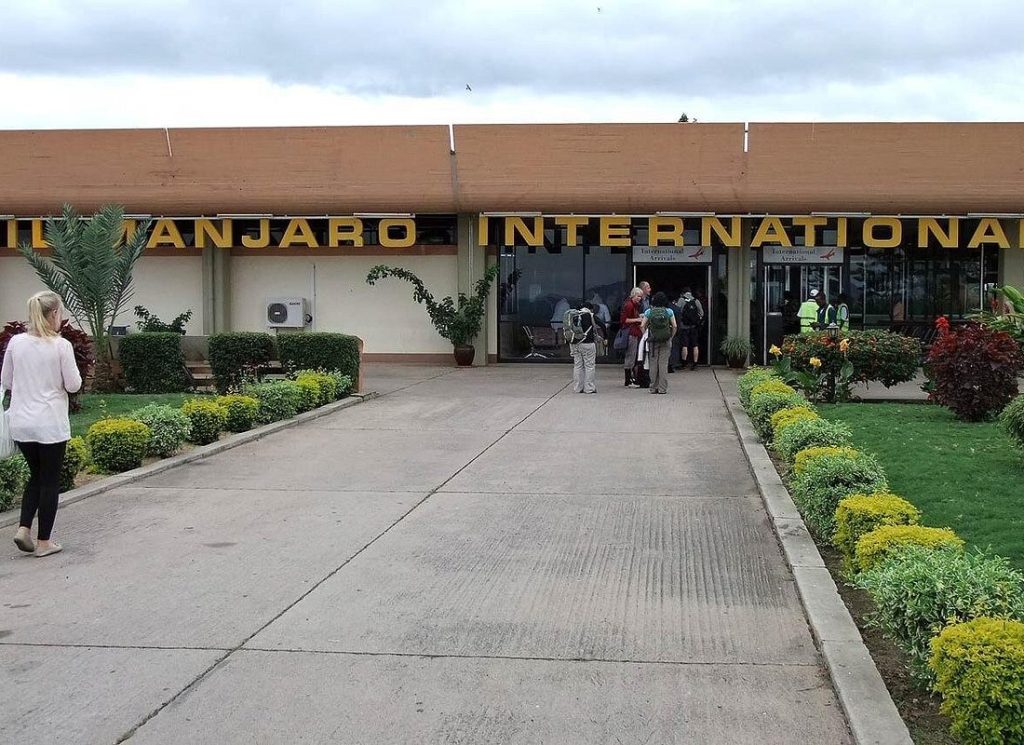
Your safari begins long before you see a wildebeest. For nearly every traveler, it starts in the bustling, vibrant town of Arusha. This isn’t just a transit point; it’s your logistical anchor. Arusha is where you’ll meet your guide, attend your final safari briefing, and acclimatize. It’s served by Kilimanjaro International Airport (JRO), with good connections from Europe, and by the smaller Arusha Airport (ARK) for regional flights. I always recommend arriving at least a day early. Use it to shake off the jet lag at one of the town’s serene coffee plantations or boutique lodges, double-check your gear, and get a restful night before the adventure. Starting here, refreshed and prepared, transforms a long road transfer into the first chapter of your journey.
When you go changes everything. The “best” time is the time that aligns with the spectacle you most want to witness. For the drama of birth and predator action, aim for the calving season in the Southern Serengeti and Ngorongoro Conservation Area from January to March. The plains are lush, and you’ll see thousands of wobbly-legged calves—but expect seasonal rains. If your heart is set on the iconic, treacherous river crossings, you need to target the dry season from mid-June through November. This is when the herds are in the Western Corridor and Northern Serengeti, and later, crossing into Kenya’s Masai Mara. This period offers drier weather and incredible drama, but it’s also the most popular. Don’t discount the “shoulder” seasons; they offer lush landscapes, fewer vehicles, and a different, more intimate kind of magic. Understanding Great Migration seasons can help you decide when to see Great Migration highlights that matter most to you.
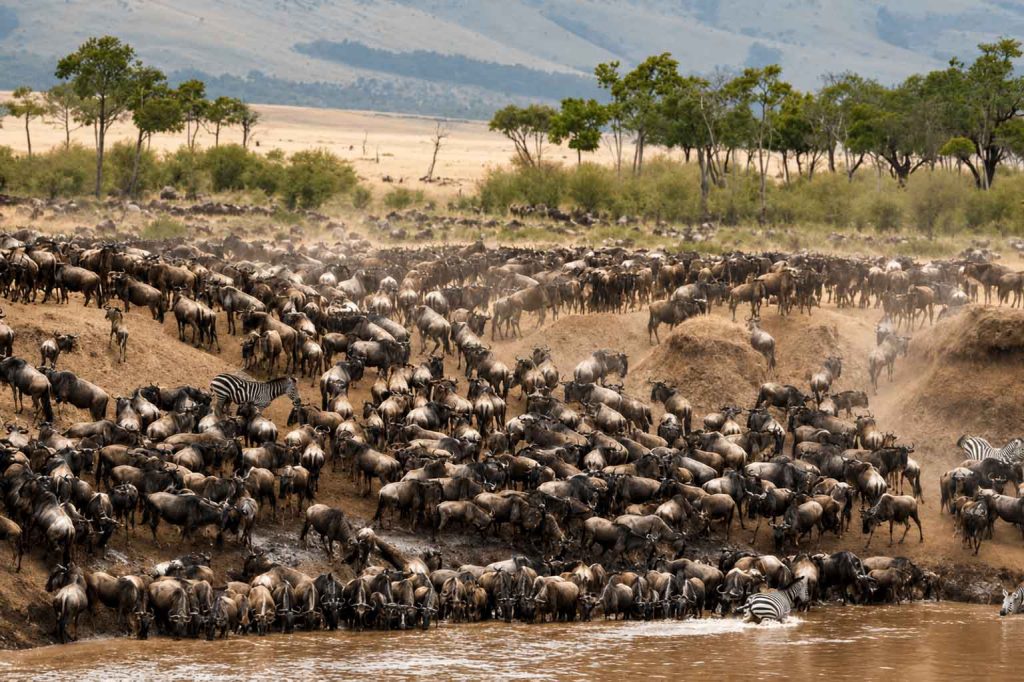
The migration is a border-crosser. The animals move between Tanzania’s Serengeti National Park and Kenya’s Masai Mara National Reserve based on where the grass is greenest. Where should you go? Think of the Serengeti as the vast, year-round stage. It’s enormous, allowing you to follow different acts of the migration across varied landscapes for many months. The Mara, while smaller, offers incredibly dense wildlife viewing, particularly of river crossings along the Mara River from about July through October. For a first-timer focused purely on the migration, Tanzania’s Serengeti often provides a more consistent and logistically varied experience. The choice isn’t about which is better, but which is better for the specific migration chapter you wish to see.
Seeing the migration is a privilege, and how you see it matters. A truly ethical safari respects the land, the wildlife, and the people. This starts with your operator. Look for companies that are transparent about their practices. Do they pay their Tanzanian guides and camp staff fair, livable wages? Do their vehicles adhere to strict park regulations—keeping a respectful distance, staying on tracks to minimize erosion? Are they committed to reducing plastic waste and supporting local community projects? In the trekking world, we have the KPAP (Kilimanjaro Porter Assistance Project) standard; while no identical certification exists for safari operators, you can ask direct questions about staff welfare and environmental policies. Your dollars should support the people who make this experience possible.
A safe safari is a carefree safari. It begins with the machine you’ll call home: a well-maintained, purpose-built 4×4 Land Cruiser or similar, with pop-up roofs, functioning seat belts, and a reliable radio. Your guide’s expertise is your greatest safety asset—their ability to read animal behavior is paramount. Beyond the vehicle, your personal health is key. The Serengeti and Mara are in malaria zones. Consult a travel clinic well in advance for prophylaxis recommendations and ensure your routine vaccinations are up-to-date, with specific advice on Yellow Fever depending on your travel route. Pack a comprehensive personal first-aid kit. This practical preparedness lets you focus on the wonder, not worry.
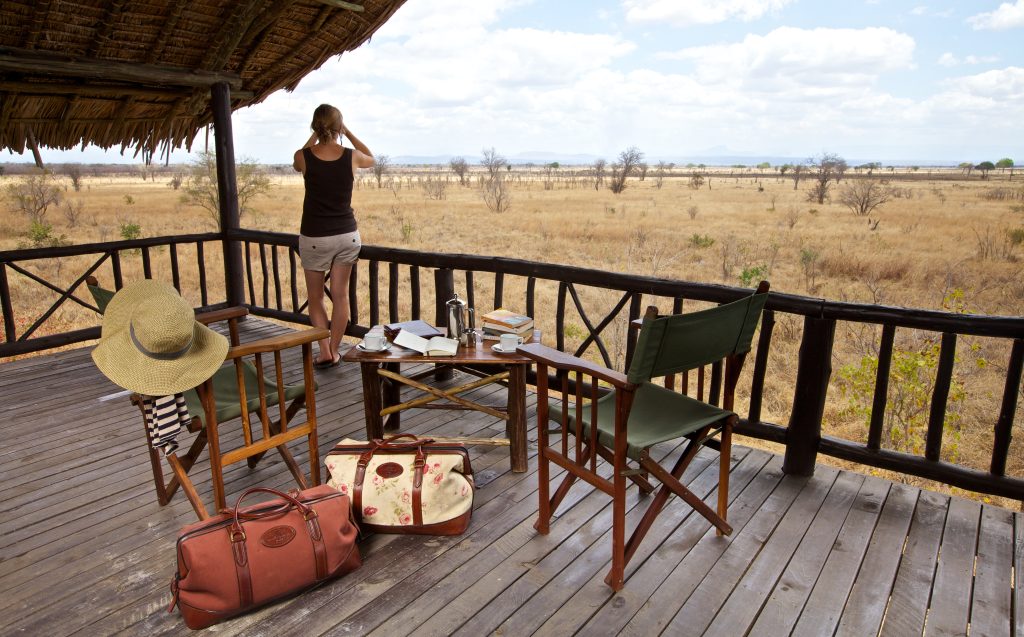
For the active, affluent traveler, luxury on safari isn’t about gold taps; it’s about space, privacy, and seamless service. It’s the difference between a large, crowded lodge bus and a private vehicle where you set the pace. It’s the exclusivity of a small, elegant tented camp with only a handful of suites, positioned for optimal wildlife viewing. These camps often offer gourmet meals, expert-guided walks, and guides who become storytellers. Logistics become effortless: chilled drinks appear, your binoculars are cleaned, and hot showers are ready after a dusty drive. This level of service isn’t indulgent; it’s immersive. It removes all friction, leaving you entirely present in the wild moment.
Let’s talk honestly about cost. A Great Migration safari is a significant investment, and price tags vary dramatically. They reflect the season (peak crossing periods are premium), the standard of accommodation (luxury lodges vs. standard camps), group size (private vehicle vs. shared), and trip length. What creates real value? Exclusive access, a private guide who knows the herds’ likely locations, and the comfort of a high-end camp in a prime location. Be wary of bottom-tier pricing; it often means crowded vehicles, basic amenities, and guides with less experience. The investment is in expertise, access, and a deeply personalized experience that respects the wilderness you came to see.
You don’t need safari-themed clothing. You need smart, practical layers. Mornings are cold, middays are hot, and dust is everywhere. Pack neutral-colored, breathable clothing (khaki, green, beige—avoid bright blues or whites that can spook animals). A quality sun hat, polarized sunglasses, and high-SPF sunscreen are non-negotiable. Your most important gear? Binoculars. Invest in a good pair; they bring the distant drama to life. A camera with a zoom lens is essential, but so is a simple notebook to jot down the moments photos can’t capture. Sturdy, broken-in walking shoes are a must, even if most viewing is from the vehicle. Pack light, but pack smart—every item should earn its place.
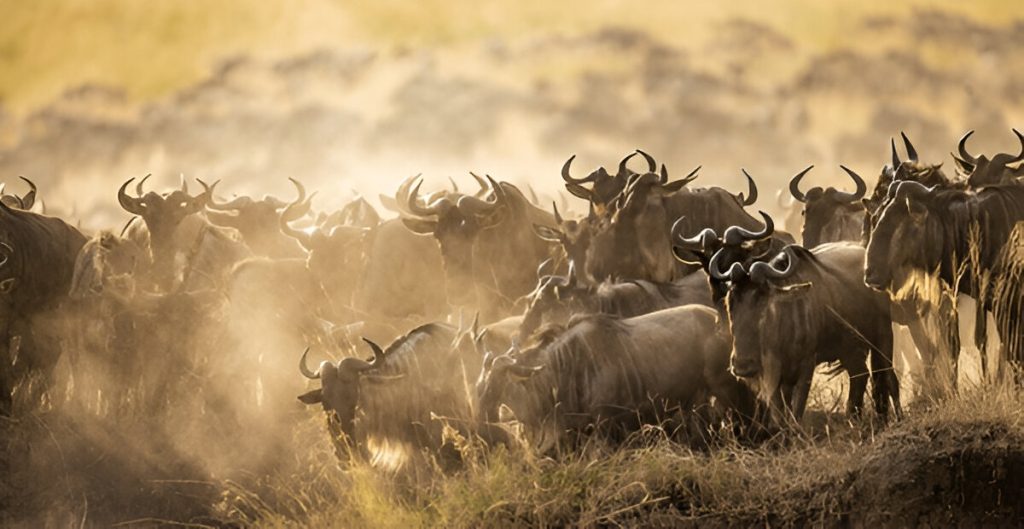
The migration is the headliner, but the supporting cast is breathtaking. Don’t become so fixated on the river of wildebeest that you miss the pride of lions watching from a kopje, the elegant giraffe browsing an acacia, or the dazzling lilac-breasted roller perched on a branch. Build in time for these discoveries. Consider pairing your Serengeti days with a visit to the Ngorongoro Crater, a unique, contained ecosystem often called the “Eighth Wonder of the World.” Or, add a day to simply sit on your tent’s deck and listen to the sounds of the bush as the sun sets. The migration is the drumbeat, but the symphony is the entire savannah alive around you—and part of the true magic of a Great Migration safari is taking in every layer of the scene.