
You’re comparing 7-day safari packages, seeing fixed dates and set prices. But you’ve also heard the Great Migration is a fluid, rain-dependent natural event. It feels like a mismatch—and it is. Many packaged 7 Days Serengeti Migration Safari itineraries are static, but the wildebeest aren’t.
This guide cuts through the confusion. We’ll map the two distinct migration phases to two different, smarter 7-day trips. You’ll get honest cost breakdowns, the real booking timeline, and how a truly adaptive safari works. Let’s plan your trip around the animals, not just a brochure.
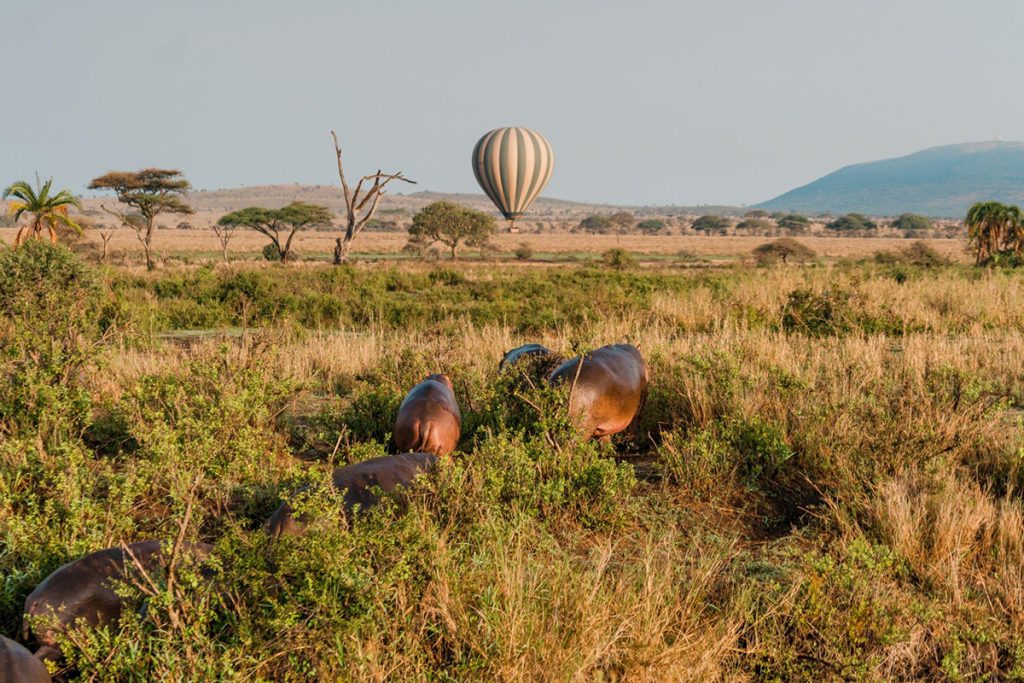
This is the most common planning mistake: treating the migration as one year-round event. It has two major acts, each with a different location, wildlife drama, and ideal 7-day itinerary.
The first is the Calving Season (January to March). Over 500,000 calves are born in the Southern Serengeti and Ndutu area in a matter of weeks. This glut of vulnerable prey draws in lions, cheetahs, and hyenas. A 7-day safari here focuses south and is perfect for those interested in the 7 Days Serengeti migration safari calving season.
The second is the River Crossing Season (July to October). The herds move north towards the Mara and Grumeti rivers. The drama shifts from birth to peril, as crocodiles await. Your 7-day trip must be based in the Northern Serengeti (Kogatende) to witness this.
Booking a generic “migration safari” in the wrong season means you could be hundreds of kilometers from the action. Your first decision is which phase you want to see.
Even within a season, the herds move daily based on rainfall. A rigid, day-by-day camp schedule risks missing them. An adaptive safari builds in flexibility.
This means booking with operators who have multiple camp options within the correct region (north or south). Your guide will be in constant contact with scout vehicles and other camps, repositioning your game drives in real time.
Instead of locking you into one lodge for three nights, a smart itinerary might use two different camps in the same ecosystem. This cuts travel time and increases your chances of being where the wildebeest are that day. It’s the difference between following a script and following the animals.
You’ll see a wide range of prices. A key reason is the season. Peak crossing months (July-September) are the most expensive due to demand and the remote location of northern camps.
For a proper 7-day migration-focused tour in 2026, budgeting is essential. A detailed estimate for an 11-night trip sits around $9,520 per person. Scaling that down, a quality 7-day mid-range safari typically starts from $550 per person per night. If you are considering a 7 Days Tanzania migration tour, these are the sorts of costs you should expect.
This includes park fees (which are high in Serengeti), full-board accommodation, game drives, and internal flights if your itinerary requires them. Luxury lodges can push the daily rate to $800–$1,500. Always ask for an itemized cost breakdown—it clarifies what you’re really paying for.
Tell us what you have in mind and we’ll build you a free, no-pressure itinerary with honest pricing — planned by a local team that runs these trips every day.
For the river crossing season, you cannot book last minute. The best camps in the Northern Serengeti sell out 6 to 12 months in advance for the July-September window, especially those sought after by travelers pursuing a 7 Days Serengeti Migration Safari.
If you want a specific, high-demand lodge or a prime tented camp by the river, aim for the one-year mark. Booking this early often secures better rates and guarantees your placement. For the calving season (Jan-Mar), you have more flexibility, but 4-6 months ahead is still wise, especially if you are targeting the 7 Days Serengeti migration safari calving season.
Some articles suggest combining Kenya’s Maasai Mara with Tanzania’s Serengeti for “full coverage.” In practice, for a 7-day trip, this is often a mistake.
It adds significant travel time—border crossings, extra flights, and separate park fees. You end up with less time actually watching wildlife. A focused 7 Days Serengeti Migration Safari in one country, timed to the correct migration phase, is far more rewarding.
This combo makes sense only on a longer itinerary (10-14 days), where you can comfortably absorb the travel logistics. For a week, depth in one incredible ecosystem beats a rushed check of two boxes.
Forget the endless, dusty driving sometimes portrayed. A well-planned day balances intense wildlife viewing with necessary rest. You’ll start with an early morning game drive—the coolest time, when predators are most active.
You return to camp for a hearty brunch and siesta during the hot midday hours when animals also rest. Late afternoon brings another game drive, culminating in a sundowner drink as the sun sets. This rhythm is sustainable, comfortable, and maximises sightings on a 7 Days Tanzania migration tour.
Your comfort level and budget define your camp style. Mid-range options ($550/night) offer permanent tents or lodges with en-suite bathrooms and reliable amenities. They provide great value and comfort.
Luxury camps ($800-$1,500/day) offer more space, premium locations, finer dining, and often private vehicles. For the migration, a key luxury is location—being able to walk out of your tent and see the herds, especially during the 7 Days Serengeti migration safari calving season.
A clear itinerary should list inclusions. Typically, this covers all park entry fees, full-board accommodation (all meals), all game drives in a 4×4, drinking water, and often internal flights between safari zones.
What’s usually not included are tips for your guide and camp staff, alcoholic drinks, travel insurance, and visas. Knowing this upfront helps you build a realistic total budget, avoiding surprise costs.
The difference between a good safari and a great one is your guide. Their experience, eyesight, and network of radio contacts are invaluable for finding the migration.
Ask about crew ethics. Reputable operators ensure fair wages and transparent tip distribution. A safe, happy team is a more engaged and knowledgeable one, directly benefiting your experience.
Packing is about layers and dust. Mornings are cold, especially in open vehicles—bring a fleece and a warm hat. By midday, it’s hot and sunny; light, breathable clothing in neutral colours is key for your 7 Days Serengeti Migration Safari.
A high-quality dust mask or buff is a non-negotiable item on dry, dusty roads. Don’t forget binoculars—everyone should have their own pair. A good camera with a zoom lens (200mm minimum) will capture the drama of the migration, which is especially notable during the 7 Days Serengeti migration safari calving season.
“`