
Your honest 7-day Tanzania safari guide starts with the sound of the engine turning off and the world rushing in. The silence of the Serengeti isn’t empty—it’s filled with the chirp of grasshoppers, distant bird calls, and the soft rustle of wind through the tall grass. You scan the horizon, searching for movement. Then your guide points and whispers, “Look there, by the kopje.” Your first safari moment feels immense, quiet, and full of possibility. This Tanzania safari travel plan isn’t about hype—it’s about the real, layered, and sometimes unpredictable experience of a one-week Tanzania safari. Here, you’ll find a clear plan, honest expectations, and practical details that turn one quiet moment into a lifetime of memories.
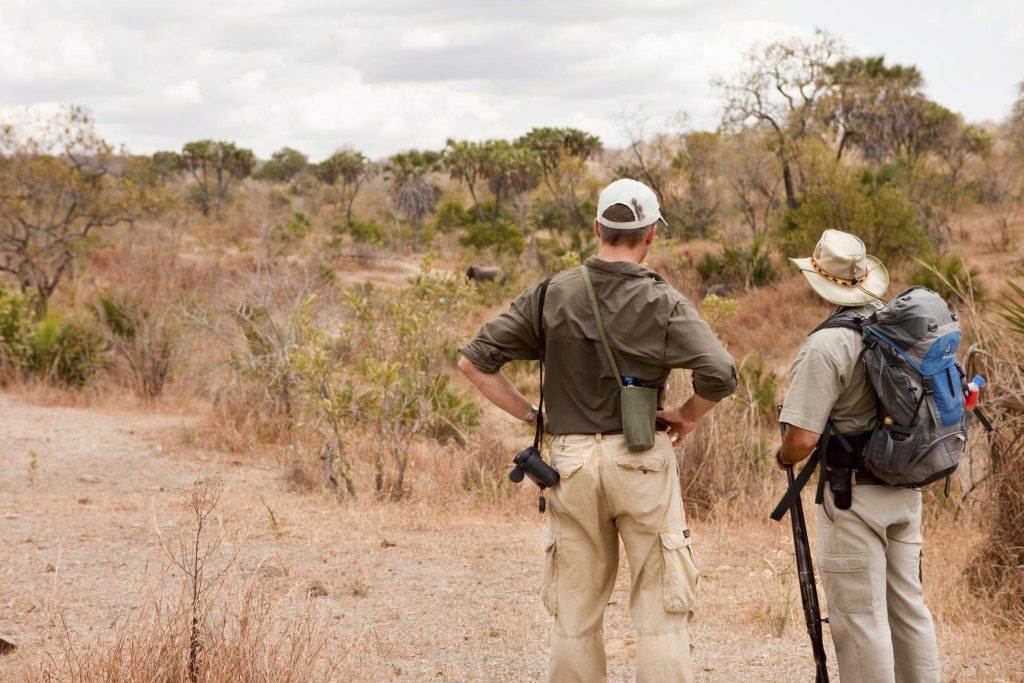
Seven days is the sweet spot for a first Tanzania safari—long enough to catch the rhythm of the bush, short enough for a standard vacation. But let’s be realistic about what this is and isn’t. In one week, you’ll take in the classic northern circuit—usually Tarangire, Serengeti, and the Ngorongoro Crater. With a 7-day safari package Tanzania travelers trade depth for breadth. You won’t reach the remote, crowd-free parks like Ruaha or Katavi; those parks need a full week by themselves. Days will be active, mixing the excitement of game drives with time spent traveling between parks. Embrace this focused journey. You aren’t ticking off every park—rather, you get the iconic landscapes where the wildlife stories you’ve imagined—the Great Migration, the Big Five—are most likely to unfold. Think of it not as a compromise, but as a concentrated showcase of Africa’s most renowned highlights.
Before you hit the dust of the savannah, experience the buzz of Arusha. Every 7-day safari package Tanzania starts and ends here. It’s more than a transit stop; it’s your main logistical hub. Operators and guides are based here. The final briefing happens here. You’ll probably meet your travel companions, check your camera gear, and grab that forgotten hat. For those seeking calm amid adventure, consider flying into Kilimanjaro International Airport (JRO) and transferring straight to a peaceful lodge on Arusha’s edge. Use this day to acclimatize and maybe include a visit like those offered in many itineraries—a cultural stop with the Hadzabe or Datoga tribes. Just as important, this is your chance to confirm last-minute trip details, check your safari vehicle, and shake off jetlag. Treat Arusha as your launchpad, not just a waiting room.
So, what does a one-week Tanzania safari actually look like? Operators may tweak plans, but a classic 7-day flow goes like this. Days 1-2: Tarangire National Park welcomes you with towering baobabs and seasonal rivers. It’s known for massive elephant herds—seeing hundreds in a day is common. Here, you learn the safari rhythm: early starts, your first lion sighting, and golden dust hanging in the afternoon light. Days 3-5: Serengeti National Park. The name means “endless plains,” and you’ll understand why. This is the heart of your journey. Most spend several nights in the central Seronera area, rich in resident wildlife year-round. Days 6-7: Ngorongoro Crater & Departure. Descend into the world’s largest intact volcanic caldera, an amphitheater teeming with life, before returning to Arusha. The travel days themselves are memorable—you’ll see the landscape shift from woodlands to open golden plains.
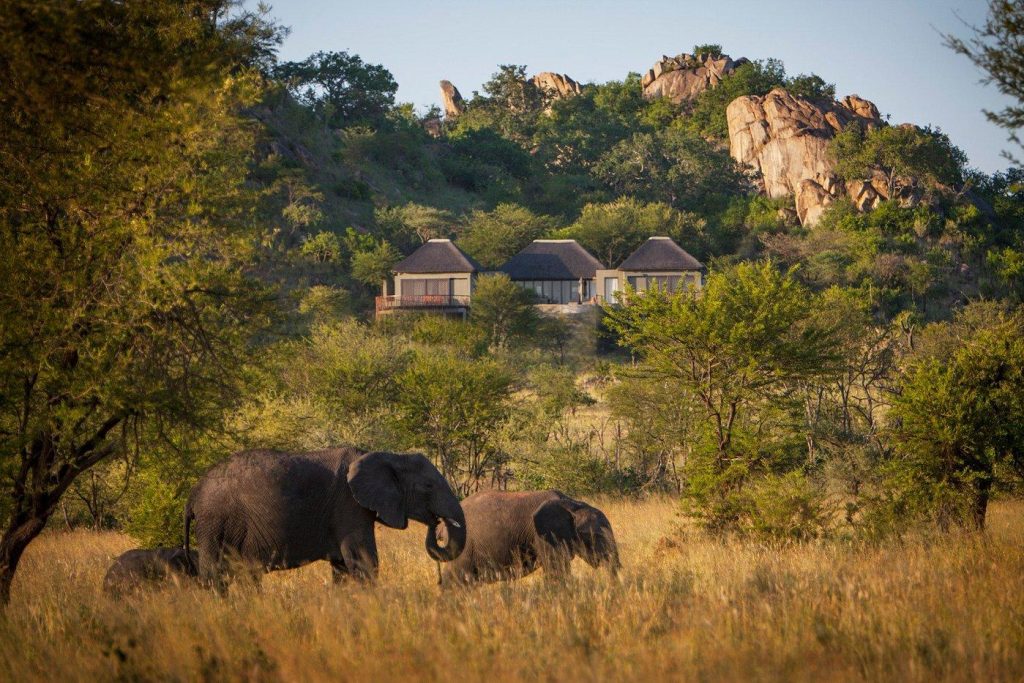
Let’s talk frankly about the elephants—and the wildebeest. “Big Five” is a term from history, not a promise. You have an excellent chance of seeing lion, elephant, buffalo, and with patience, leopard, in these parks. Rhinos, however, are truly rare; your best shot (though not guaranteed) is in the Ngorongoro Crater. Now, the Great Wildebeest Migration: it’s a year-round, circular journey of more than a million animals. On a 7-day safari package Tanzania, location is everything. In the Central Serengeti, you might catch herds during calving season (January–March) or as they cross through (around June). If your trip is in October, the herds may be far north. No operator can promise a river crossing in a fixed one-week Tanzania safari—the herds follow nature. The magic is, the Serengeti remains spectacular any time, full of resident predators and wild drama. We design the plan for the highest probability but always honor the wildness of it all.
The “dry season” attracts travelers for good reason: thinner vegetation and animals gathering at water sources make wildlife easier to find. Yet “dry season” covers a range. Here’s the monthly breakdown through a 7-day lens. June to October: The prime dry stretch. Skies are clear, days warm, and wildlife spottings in Tarangire and the Seronera region of the Serengeti are superb. The Migration is often in northern Serengeti (August–October), which might need a flight to a different airstrip for a short safari. November to December: The “short rains.” Mornings can be clear, rain falls later, and the newly green landscape has fewer crowds with good wildlife, though animals spread out. January to March: “Long rains” start, but the southern Serengeti plains are lush and full of calving wildebeest. Predator sightings are fantastic, but some roads may prove tricky. April to May: Peak wet season. Many companies scale back. It’s the quietest time for tourists—lush scenery, but more rain. Choose the month that matches what you want: reliable sightings, green scenery, or more predator action.
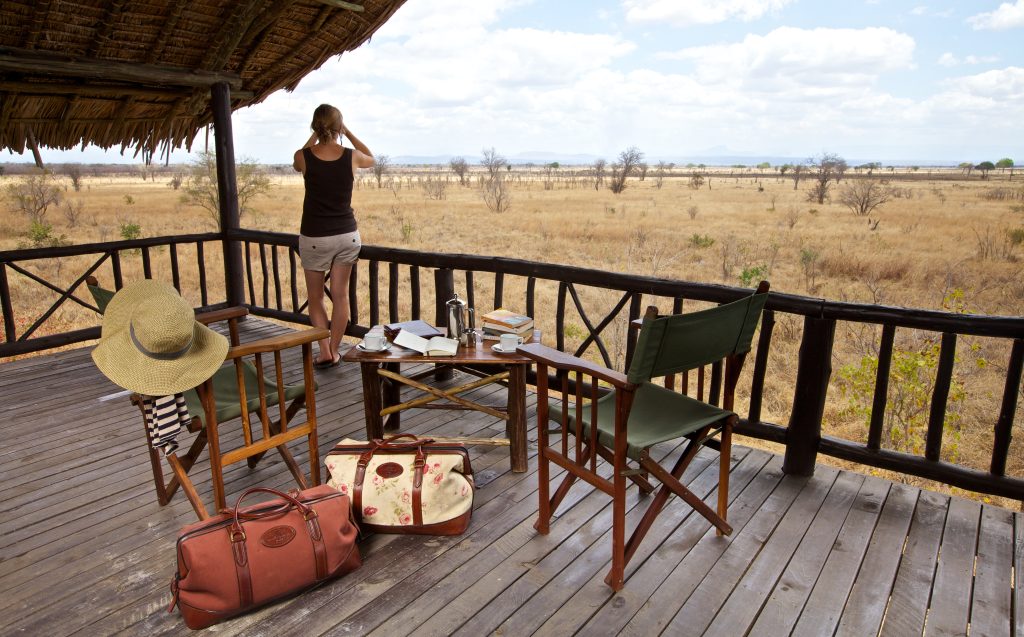
Let’s talk costs. A 7-day safari package Tanzania price isn’t one number—it spans a range depending on your choices. For mid-range to luxury, which suits many affluent travelers, you’ll find prices per person from $1,500 to $3,500 USD. This variation comes from three factors: season (peak dry season costs more), accommodation (luxury tented camp or standard lodge), and what’s included. Trustworthy quotes should specify: all park fees, crater service fees, accommodation, all meals on safari, guided game drives in a private 4×4, professional guide, and drinking water. Often excluded, but which add up: alcoholic drinks, other beverages, tips for guides and camp staff, travel insurance, international flights, and visas. Always request a detailed, line-itemized quote. The lowest price often means lower-quality vehicles or less-experienced guides—never sacrifice these essentials.
For the discerning traveler, the experience must balance quality and ethics. Your safari vehicle should be a well-maintained, pop-top 4×4 Land Cruiser for best viewing. Your guide should have a Tanzanian government license—ask for their number. When it comes to ethics, seek operators partnered with Kilimanjaro Porters Assistance Project (KPAP) to support fair pay and staff treatment. For health, malaria is present—consult a travel clinic about prophylaxis. Use DEET repellent, wear long sleeves at dawn and dusk, and sleep under mosquito nets. Your guide’s knowledge of animal behavior is your main safety line—listen to their instructions. This checklist isn’t about luxury for its own sake; it’s comfort, safety, and knowing your spending helps create responsible tourism.
Imagine a typical safari day. Before sunrise, you wake to coffee and biscuits—the coolest, most active time for animals. You’re in the vehicle as the sky blushes pink. For hours, you explore; your guide reads tracks and bird calls. Back at camp, a hearty brunch and a midday siesta follow. Later, another game drive runs through the golden afternoon until sunset, ending with dinner beneath stars. This rhythm is glorious, but not lazy. Travel days between parks mean hours on bumpy roads—part of the adventure but tiring at times. A one-week Tanzania safari keeps you engaged and active. Expect a good tiredness—bring patience, comfortable clothes, and a sense of wonder. The reward is living within nature’s pulse, day after day.
The landscape’s only half the story; its people form the rest. Most 7-day itineraries include optional cultural visits—usually to Maasai, Hadzabe, or Datoga communities. If you go for this, choose respectfully and thoughtfully. Genuine visits mean being a guest, not an audience for a staged show. Visits with the Hadzabe should be led by a community guide. The core is consent and fair pay—ask your operator how visits are vetted and if fees go directly to the community. These experiences—sharing stories, learning a different lifestyle—can be as meaningful as a big game sighting. They ground your Tanzania safari travel plan in the living culture of the country.
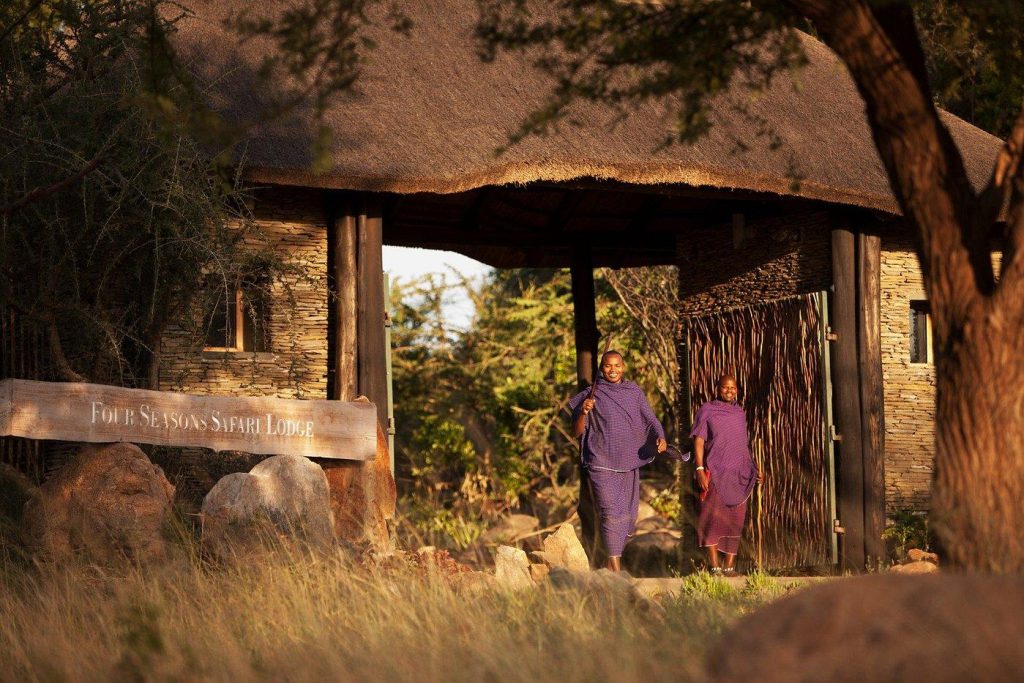
With more than 250 safari operators in Tanzania, how do you choose wisely? Look past the glossy ads. First, dig into independent reviews on sites like TripAdvisor or Reddit, where travelers discuss what’s real. Ask operators for client references. Dig into details: What’s the guide-to-guest ratio? Can they show photos of actual vehicles? What is their KPAP partnership status? How are emergencies or breakdowns handled? Good companies reply openly and quickly. For a 7-day safari package Tanzania, check for flexibility: can game drive times shift for sightings? Your guide is your main link to wildlife—ensure your operator invests in skilled, passionate people. This research builds the difference between a good safari and an extraordinary one.
With the right Tanzania safari travel plan, your honest 7-day Tanzania safari guide ensures your one-week adventure is as unforgettable as the wildlife that thrives across these legendary landscapes.