
You wake before dawn on your 4-day Tanzania budget safari to the sound of a hyena whooping somewhere in the darkness, a cup of instant coffee steaming in your hands as the guide rolls back the canvas flap of your tent. The air is cool, sharp. This is the moment—the quiet hum of the Land Cruiser’s engine, the dust rising in the first pink light, the absolute certainty that out there, on the plains, something incredible is waiting. This is the heart of a 4-day Tanzania camping safari: an authentic, raw, and profoundly beautiful adventure that connects you directly to the wild. It’s about smart planning, not just low cost. Let’s walk through what that journey is really like, from the stunning wildlife to the honest realities of budget travel, so you can step onto that red earth with confidence.
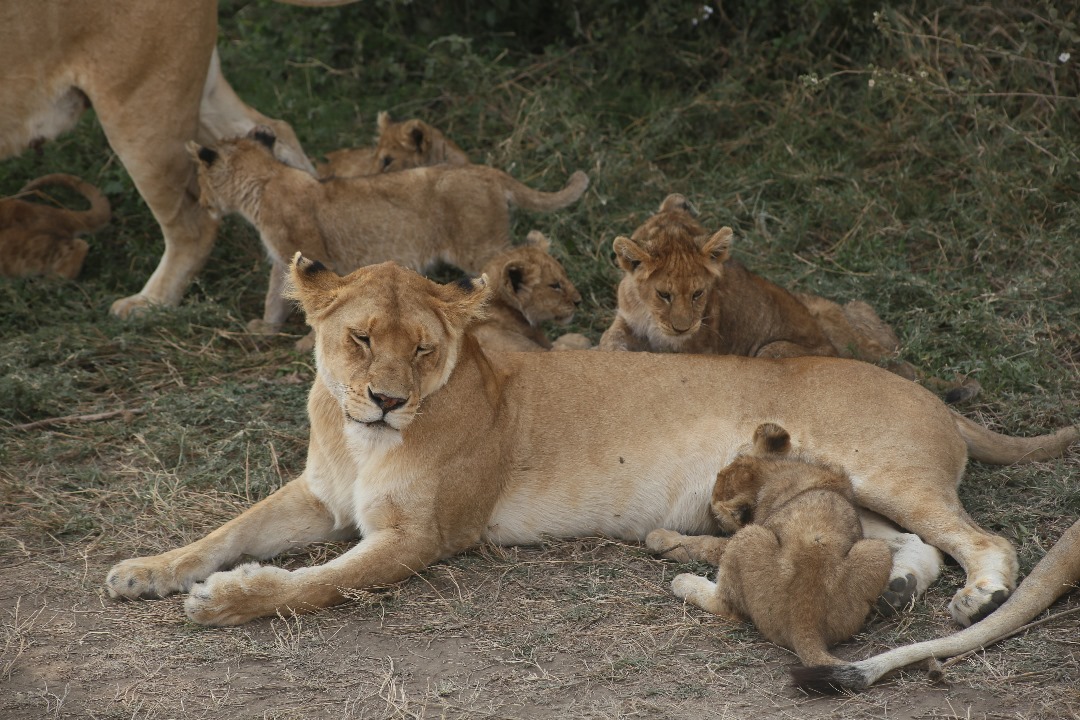
The beauty of this specific itinerary is its efficiency. You’ll land in Arusha, the bustling safari gateway, and from there, the classic triangle unfolds. Your first day is often in Tarangire National Park. Picture ancient baobabs standing sentinel over golden plains, and you’ll understand its nickname: the “Elephant Paradise.” Herds are common here, along with tree-climbing lions and vibrant birdlife. Day two and three plunge you into the endless savannah of the Serengeti. This is the iconic Africa of documentaries—a sea of grass where cheetahs scan the horizon and lion prides lounge on rocky outcrops. Your final day descends into the Ngorongoro Crater, a natural amphitheater teeming with life. It’s a condensed, powerful snapshot of Tanzania’s finest, designed to maximize wildlife viewing while minimizing long, empty drives. The circuit works because Arusha is the perfect launchpad, putting you in prime territory with just a few hours’ drive.
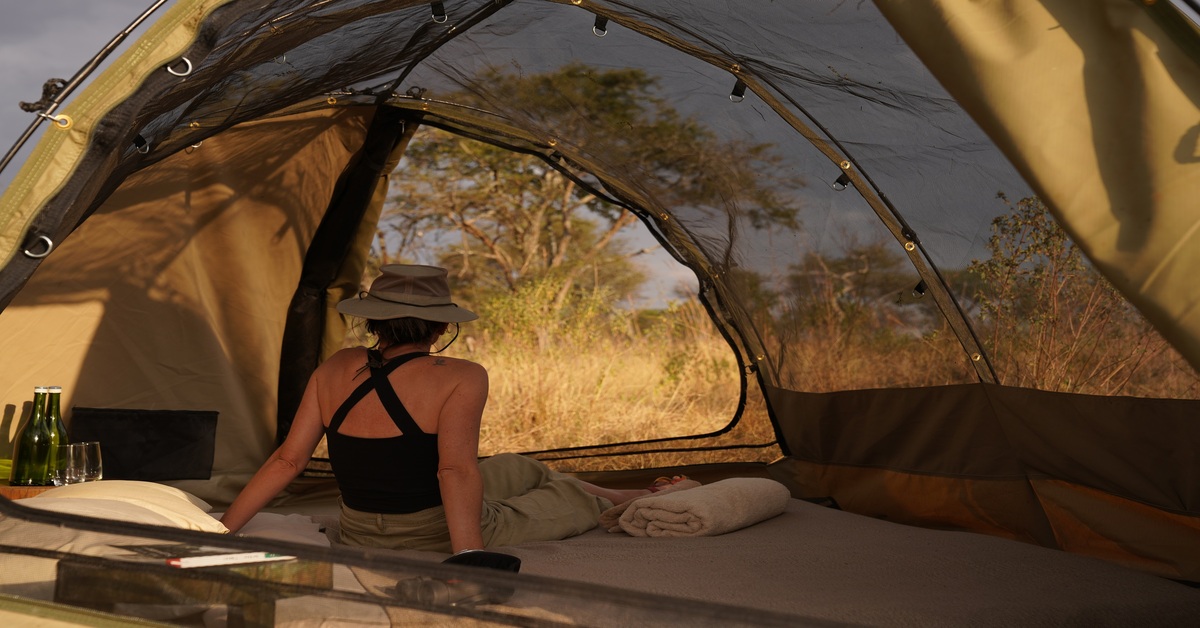
Let’s talk frankly about the price tag. A budget safari makes this dream accessible, but it’s crucial to understand what you’re trading for that lower cost. You won’t be in a luxury lodge with a private plunge pool. You’ll be in a sturdy, shared dome tent, often with a simple camp bed and a sleeping bag. The vehicle is a classic, no-frills Land Cruiser or Land Rover—reliable, rugged, and open-sided for perfect viewing, but it might be an older model without the latest suspension. Your guide is your key to the wilderness; on a budget trip, they are experienced and licensed, but may have less fluency in specialized topics like bird calls or detailed ecology compared to a veteran private guide. Meals are hearty, carb-heavy camping fare—think pasta, stews, fresh fruit—prepared by a camp chef. It’s filling and delicious, but don’t expect gourmet plating. The value is in the access: you see the same lions, the same breathtaking sunsets, as the $1,000-a-night traveler. You’re just closer to the ground, feeling the dust and hearing the night sounds in a more immediate way.
This is a key budget decision, with a real impact on your experience. “Camping inside” means your tent is pitched at a public campsite within the park boundaries. The advantage is profound: you are immersed. You fall asleep to the sounds of the bush and can start your game drive at first light, reaching animals in the magical morning hours. The downside? Facilities are very basic—long-drop toilets and bucket showers are standard. “Camping outside” typically uses a fixed campsite just beyond the park gate. The benefit is often better shower blocks and sometimes a bar area. The trade-off is time. You must exit the park by sunset (a strict rule) and re-enter each morning, losing up to two hours of prime wildlife viewing time to commuting. For the Serengeti, where every minute counts, camping inside, despite the rustic conditions, is often the wiser budget choice for the serious wildlife enthusiast. Many travelers choose camping in the parks for their Tarangire and Serengeti safari, trading comfort for more intimate wildlife experiences.
Transparency builds trust. The advertised “affordable” price for a 4-day budget safari typically covers the essentials: park entry fees (a major cost), camping fees, all meals from lunch on day one to lunch on the last day, drinking water, transportation in a 4×4 safari vehicle, and the services of a professional driver-guide and a camp cook. Many operators also include a free airport transfer and a pre-safari night in a basic Arusha hotel—a huge logistical help. Now, what’s almost always extra? Tips for your guide and cook (a meaningful part of their income), personal drinks (sodas, beer, wine), travel insurance, and any optional activities. You’ll also need to budget for flights to Kilimanjaro International Airport (JRO). Knowing this line-item breakdown helps you compare offers fairly and avoids surprise costs, turning a budget price into genuine value.
Your well-being is non-negotiable, budget or not. Reputable operators prioritize this. Safe, purified drinking water is always provided—never drink from taps. Meals are prepared in camp kitchens with high hygiene standards; you’ll often see the chef washing vegetables with treated water. Malaria is a real risk in these regions. This isn’t a gap to gloss over: you must consult a travel clinic well in advance for prophylactic medication and bring ample, strong DEET repellent and wear long sleeves at dusk. In camp, your tent is secure, and guides brief you on safety protocols—like never walking alone at night. Vehicles are equipped with first-aid kits and radio communication. A “safe budget” means choosing an operator that doesn’t cut these corners. Ask directly about their water, food, and vehicle safety policies; a good company will answer with detail and pride.
Wildlife doesn’t follow a calendar, but it follows the rain and grass. For this specific Tarangire-Serengeti-Ngorongoro circuit, timing shapes what you see. The dry season (late June through October) is classic safari season. Water is scarce, so animals congregate predictably around rivers and waterholes, making wildlife easier to spot. The trade-off? It’s peak season, with more vehicles and higher prices. The wet season (November to May) brings lush, green landscapes, newborn animals (especially February), and far fewer tourists. Birdlife is spectacular. However, afternoon rains can make some roads muddy, and animals are more dispersed in the abundant foliage. The Great Migration is a dynamic event in the Serengeti; seeing massive herds is never guaranteed on a short 4-day trip, but your chances increase in the Serengeti’s southern plains from December to March, or in the Western Corridor around June. There is no single “best” time—only the best time for your priorities of scenery, crowds, and wildlife behavior. If your goal is a classic Tarangire and Serengeti safari, timing is key to what you will see.
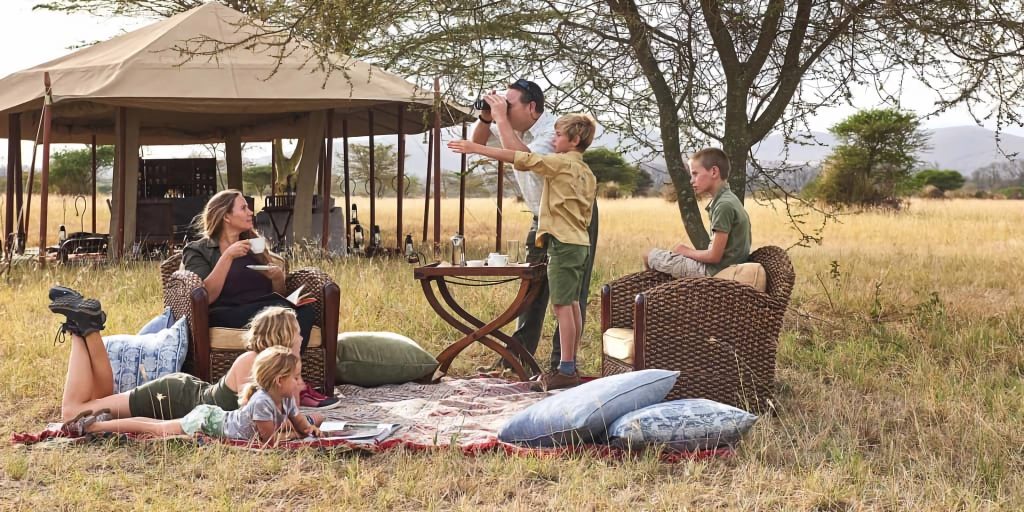
Your days fall into a beautiful, predictable rhythm. You’re woken around 6:00 AM with a call and a hot drink. A quick breakfast, then into the vehicle as the sun rises—the coolest, most active time for animals. You’ll drive slowly, your guide’s eyes constantly scanning, stopping for every sighting. Around midday, you’ll find a shady spot for a picnic lunch. The heat of the day is for resting; you might return to camp or simply relax under a tree. Late afternoon brings another game drive as the light turns golden and predators begin to stir. Back at camp by sunset, you’ll gather around the fire, share stories with other travelers, and enjoy a hearty dinner under a blanket of stars. It’s a simple, focused life, stripped of distractions, where every sense is tuned to the world around you.
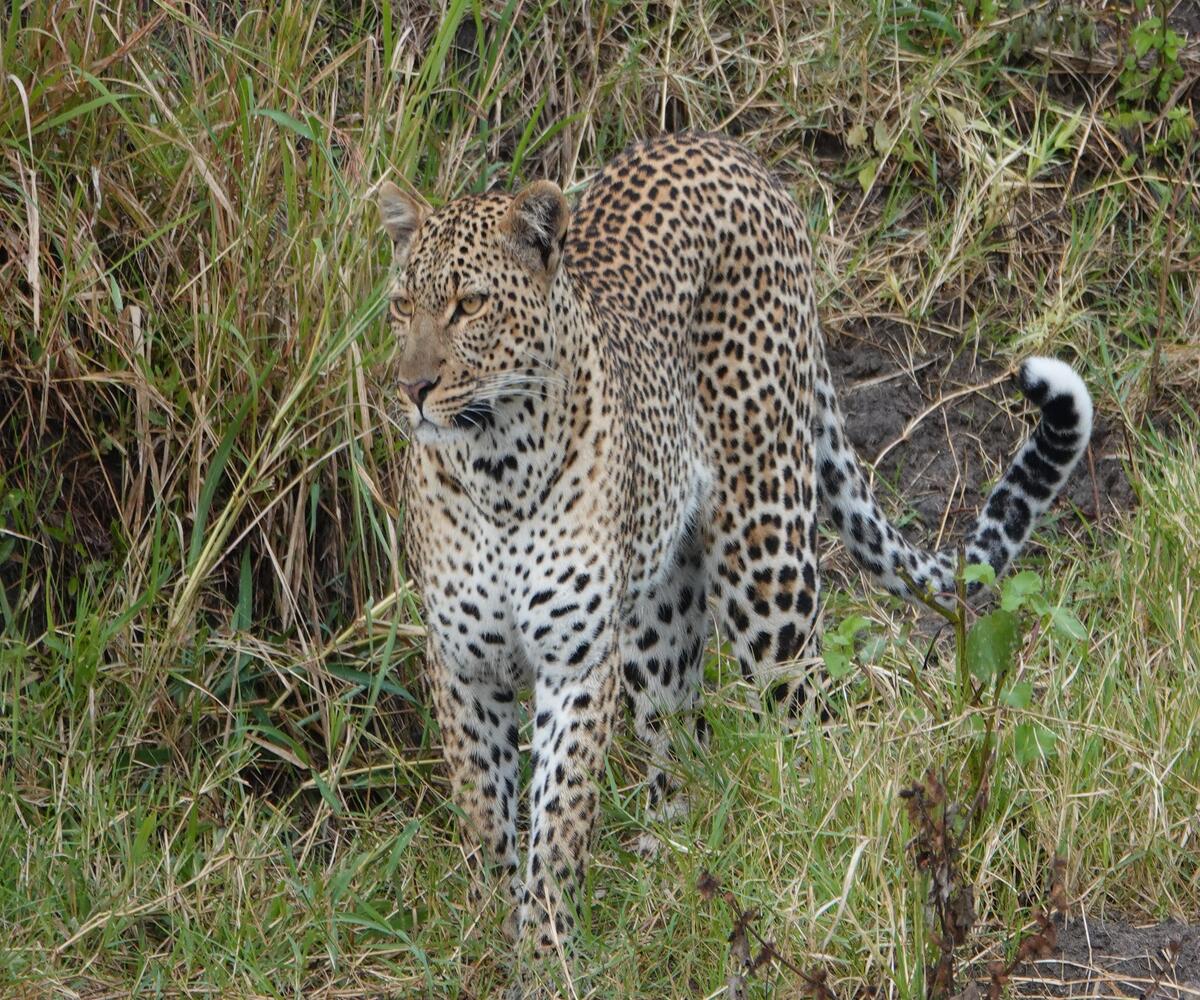
I need to be straight with you: no one can promise you specific sightings. Marketing claims of “guaranteed Big Five” are just that—marketing. The Big Five (lion, leopard, elephant, buffalo, rhino) are all present in these parks, but the leopard is elusive by nature, and the black rhino in Ngorongoro is critically endangered and often seen as a distant speck. A great guide maximizes your chances by knowing the land and reading signs—vulture circles, alarm calls from baboons, fresh tracks. But the magic of a safari lies in the unexpected: the stealthy serval cat you stumble upon, the playful interaction of a zebra foal with its mother, a million wildebeest dotting the plain if your timing is right. Come with openness and curiosity, not a checklist, and the wilderness will deliver its own unforgettable moments. Your 4 day Tanzania camping safari will always hold surprises.
Pack for function. You’ll live in the same clothes for days. Essentials include neutral-colored clothing (khaki, green, beige—avoid bright blues and blacks which attract tsetse flies), a warm fleece and hat for chilly morning drives, a robust rain jacket for sudden downpours, broken-in hiking boots, and sandals for camp. A headlamp is indispensable for nighttime trips to the bathroom tent. Bring binoculars—this is non-negotiable for appreciating details. A power bank is vital as charging in camp is often limited. Pack all medications, high-SPF sunscreen, lip balm, and that strong insect repellent. Leave fancy luggage at home; a soft-sided duffel bag is easiest to stow in the vehicle. Space is tight, and dust gets everywhere. Simplicity is your friend.
Embarking on a 4-day Tanzania budget safari is about making smart choices, understanding what matters, and embracing the wild experience for all its beauty and honesty. With the right planning, your budget safari Tanzania 4 days adventure will deliver memories that last a lifetime.