
Let’s start in the quiet moment before the engine turns over on your Tarangire safari. The sun is just spilling gold across the Tarangire River valley, and in the stillness, you hear the low rumble of a hundred elephants somewhere unseen. This is the heart of planning your journey—building a trip to those moments of wild magic, grounded in practical, honest details.
Many first-time travelers arrive with the vast plains of the Serengeti in mind. However, Tarangire offers a different, more intimate song. Its soul is the river—a permanent lifeline that draws staggering herds during the long dry season. You’ll know it by the grand, ancient baobabs that stand sentinel across the landscape.
The park is quieter, with fewer vehicles vying for space. This isn’t the theatre of the Great Migration; it’s a year-round wildlife sanctuary famed for its massive elephant herds. Think of it as the Northern Circuit’s contemplative masterpiece—a place where you can breathe and connect directly to the land.
The one-line cost snippets you see online rarely tell the full story. A Tarangire safari price is a mosaic of fixed park fees, guide expertise, vehicle quality, and accommodation tier. Park entry fees are a significant per-person, per-day cost set by the government.
Budget options often use basic, shared vehicles and simpler tented camps. Mid-range tours typically include better 4x4s and comfortable lodges. For the affluent traveler, the premium is for exclusivity: a private vehicle, a seasoned guide, and lodges that blend luxury with authentic place.
Always ask what is included. Are all park fees, meals, bottled water, and transfers covered? What is excluded—tipping, visas, premium drinks, travel insurance? Clarity here avoids surprises and aligns your budget with your dream Tarangire wildlife tours.
Forget generic “best time” advice. Your experience is shaped profoundly by the seasonal rhythm. The long dry season (July to October) is when Tarangire shines. As waterholes vanish, wildlife converges on the Tarangire River. Elephant herds can swell into the hundreds.
It’s the park’s peak season for game viewing, but also for visitors—book well in advance. The short rains (November to December) bring a beautiful, green lushness. Crowds thin, prices can be more favorable, and birdlife is spectacular.
The long rains (March to May) see heavy afternoon showers. Some lodges close, and roads can be challenging. Still, the landscape is breathtakingly green and you’ll have it almost to yourself. The “best” season matches your tolerance for crowds, your desire for scenery versus concentrated wildlife, and your budget.
For most, the journey begins in Arusha, the safari hub of northern Tanzania. The drive from Arusha to Tarangire’s main gate is a scenic introduction. Sources cite varying drive times, but a realistic window is between two to three and a half hours.
This makes Tarangire a perfect, manageable first stop on a Northern Circuit itinerary. So, you can be on your first game drive by mid-morning without a punishing travel day. Many itineraries pair it with Lake Manyara or the Ngorongoro Conservation Area.
For a truly seamless arrival, some lodges offer charter flights directly into Kuro Airstrip within the park. This is a 45-minute flight that trades a dusty road for a breathtaking aerial view.
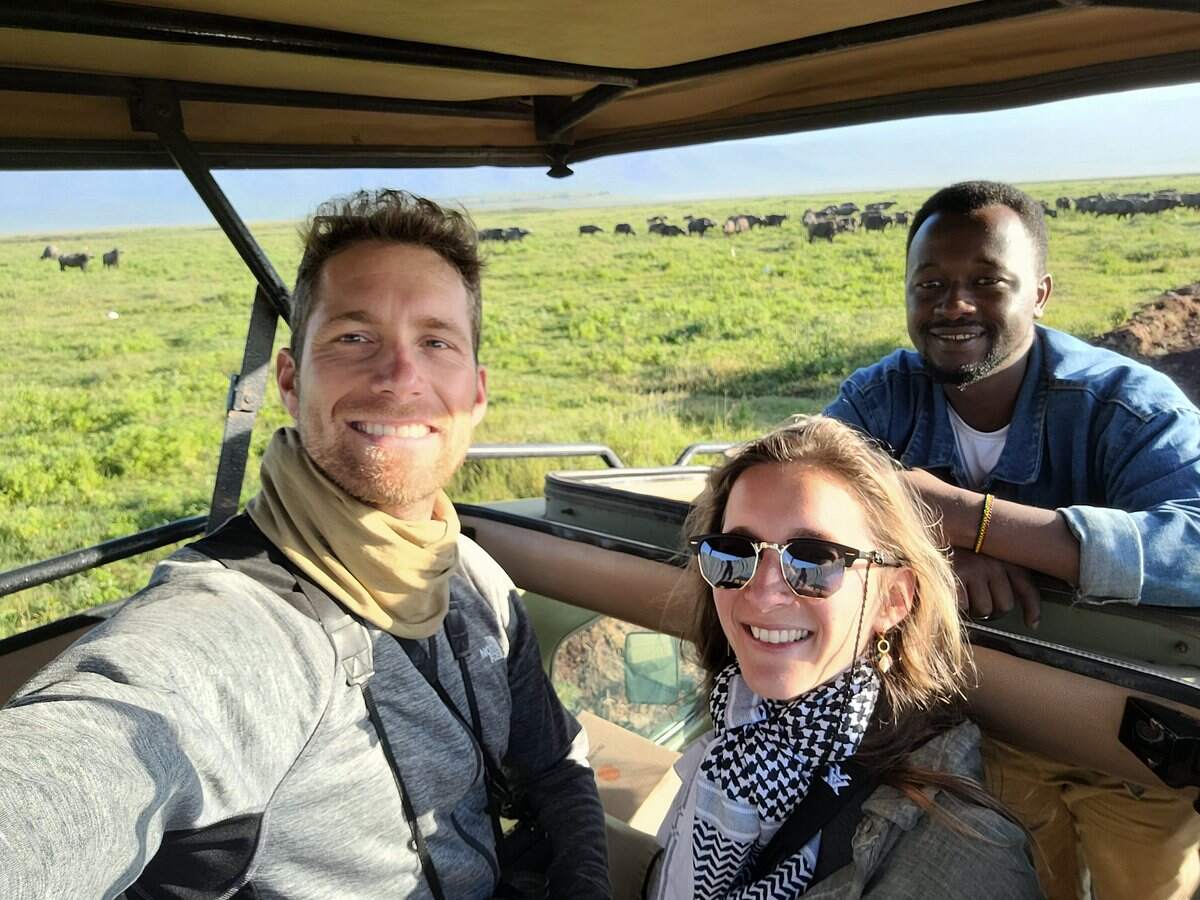
Your vehicle is your mobile home, your viewing platform, and your link to safety. A well-maintained, pop-top 4×4 Land Cruiser is the standard for good reason. It can handle rough tracks and gives everyone a window seat.
For a premium experience, a private vehicle is non-negotiable. It means you set the pace and linger at a sighting as long as you wish. Speaking of guides: a great one is a naturalist, a storyteller, and a tracker. They interpret the subtle signs—a bird’s alarm call, a track in the dust.
They know the park’s hidden corners and adhere to strict park rules. Their professionalism ensures your safety and deepens your understanding immeasurably. This is where a reputable operator earns their fee on your Tarangire game drives.
While the famous “Big Five” is a marketing term, Tarangire delivers profound wildlife encounters on its own terms. It is, first and foremost, an elephant park. Herds of 50, 100, or even 300 are possible in the dry season.
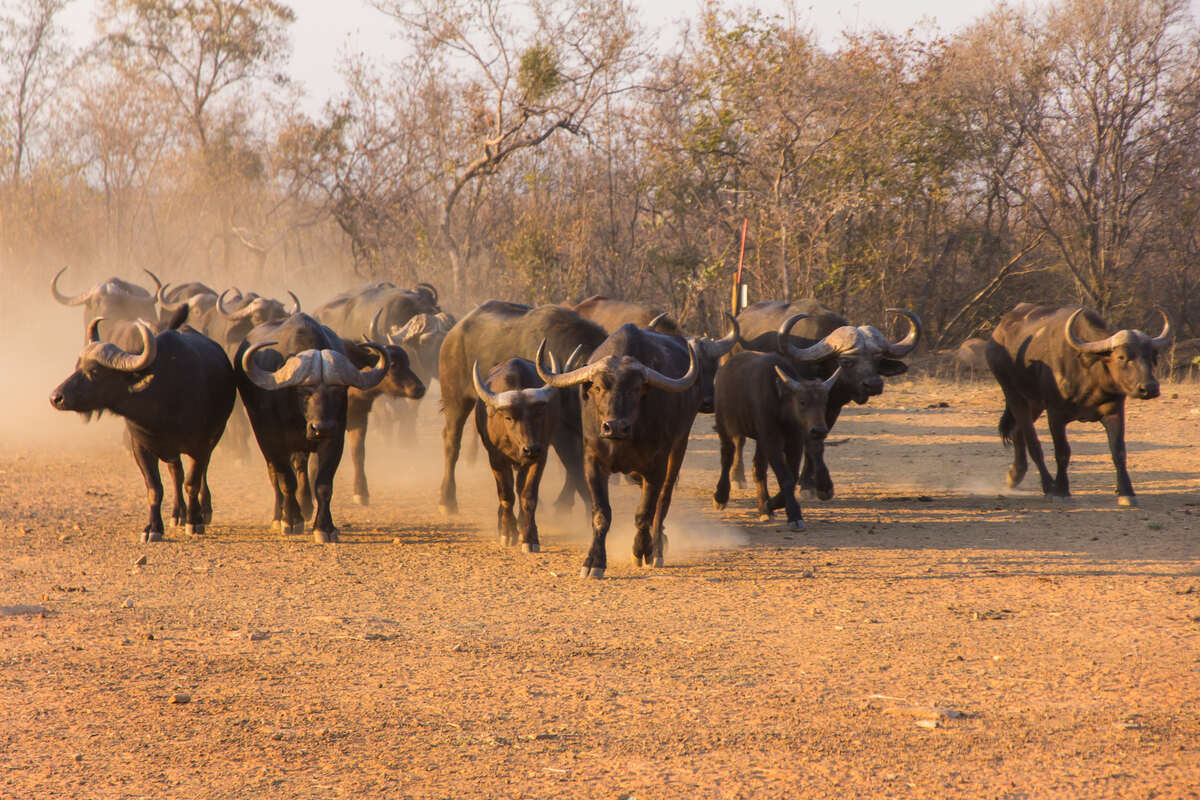
But look closer. The park is a stronghold for the fringe-eared oryx and the peculiar, long-necked gerenuk. Massive herds of buffalo darken the plains. Predators are present—lion, leopard, cheetah—but they are not as dense as in the Serengeti. A sighting here feels earned, a gift from the wild.
And then there are the baobabs; these aren’t just trees, they are ecosystems, often housing beehives, birds, and the shade that draws life to them.

Your accommodation is your sanctuary at day’s end. In Tarangire, “luxury” is defined by location, service, and a genuine sense of place. Permanent lodges offer solid comfort, swimming pools, and sprawling views.
But for many, the quintessential experience is a high-end tented camp. Don’t picture a backpacker’s tent. These are spacious canvas suites on permanent platforms, with polished wooden floors, king-sized beds, and elegant ensuite bathrooms.
You fall asleep to the sounds of the bush. Premium camps are often in private concessions, offering night drives and guided walks. These activities add another layer of exclusive adventure to your Tarangire elephant safari.
Your safety is paramount, and it’s woven into the structure of a well-run safari. In the vehicle, always remain seated. Your guide will position you for the best view while maintaining a safe and respectful distance from animals.
Health-wise, Tarangire is in a malaria zone; consult a travel clinic for prophylactic advice. Stay hydrated with the provided bottled water. Sun protection is non-negotiable—a wide-brimmed hat, long sleeves, and high-SPF sunscreen are essential.
Park rules are simple but strict: never stand up near predators, do not feed any animals, and always listen to your guide. They are trained to read animal behavior and ensure every encounter is secure.

You want to bring the feeling home. Start by accepting you can’t photograph everything. Put the camera down sometimes and just breathe it in. For gear, a DSLR or mirrorless camera with a 200-400mm zoom lens is ideal for wildlife.
A modern smartphone can also capture stunning landscapes and close encounters. Early morning and late afternoon offer the most beautiful, soft “golden light.” Focus on storytelling: a close-up of an elephant’s textured skin, the silhouette of a giraffe against a baobab.
Be patient. The best shots often come from watching a scene unfold. And remember, the vehicle will be dusty—bring a simple cleaning kit for your lenses.
A truly premium safari leaves the place better than it found it. This starts with choosing an operator committed to ethical practices. Ask questions: are guides paid fair, living wages? Does the company support local community projects?
In the park, your choices matter. Support lodges that employ locally, source food sustainably, and manage water and waste responsibly. Respect cultural encounters. If visiting a Maasai community, ensure it’s a genuinely collaborative visit.
Your safari is a privilege. Traveling with this awareness enriches your experience and ensures the wild majesty of Tarangire endures. This thoughtful approach defines the best Tarangire safari experiences.
“`