
A bird watching safari in Tanzania offers a sound you probably haven’t heard before. It might be the soft, percussive flap of a lilac-breasted roller’s wings as it swoops from a thorn acacia at dawn. Or maybe the haunting, prehistoric call of a fish eagle echoing over a soda lake pink with flamingos. If you suspect Tanzania’s wild beauty reaches beyond just lions and elephants, you’re right. A Tanzania birding safari is immersion into a subtler, yet vibrant, layer of wilderness. Here, you shift your gaze and slow your pace, discovering how a flash of crimson in the undergrowth can thrill like a herd of wildebeest. As your guide, I’ll set the stage honestly: the birds are here, in dazzling variety, but truly seeing them asks for a different kind of journey.
Think of a classic safari: the vehicle rumbles along the plains, eyes scanning for large shapes on the horizon. Now imagine the vehicle stopping, engine cut—not for a leopard in a tree, but for the intricate, fluttering dance of a paradise flycatcher. The pace changes, the focus sharpens. This is the essence of a Tanzania birding safari. It’s not a lesser experience; it’s a deeper one. While wildlife drives offer epic panoramas, birding is about the intimate portrait. You’ll still catch glimpses of the Big Five, but you’ll also discover the “Little Five Hundred.” The magic is in quiet moments—the patient wait for a malachite kingfisher to strike, the shared whisper when a Verreaux’s eagle-owl is spotted perfectly camouflaged on the bark. This journey rewards patience and curiosity, transforming every stop into a treasure hunt. Soon, your perspective—and the African bush itself—will change forever.
This is a question most top search results for bird watching tours Tanzania either gloss over or answer too simply, but it makes all the difference. When you go decides which birds you’ll see. Tanzania has two main birding “seasons,” each with its own cast of species. From November to April, during the “Green Season,” summer rains transform the landscape. This is when European and African migrants arrive—think vibrant European bee-eaters and myriad cuckoos—while resident birds dress in their brightest breeding plumage. It’s a paradise for photographers, thanks to lush backdrops and active displays, though afternoon showers are part of the experience. From June to October, the dry season brings water sources to the forefront, concentrating birdlife around rivers and lakes. Many migrants depart, but you’ll easily spot a vast array of iconic resident species, thanks to clearer views and less dense foliage. There is no absolute “best” time. It comes down to choosing between the colorful chaos of summer or the clear-view spectacle of winter.
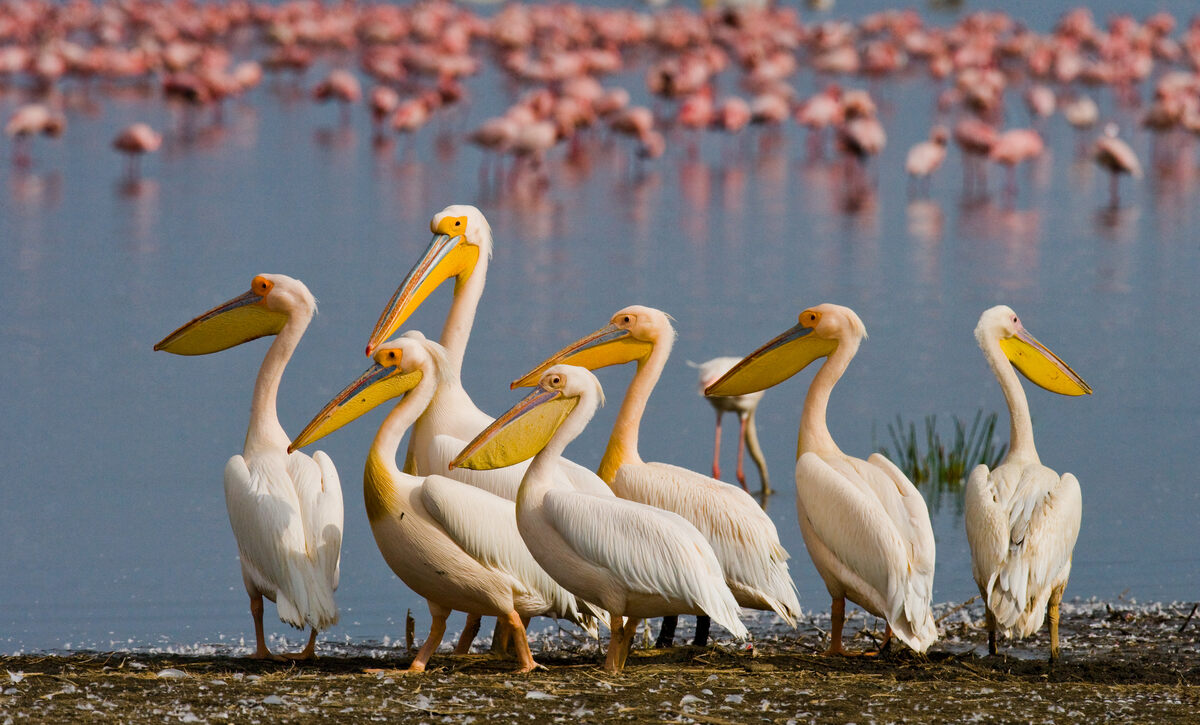
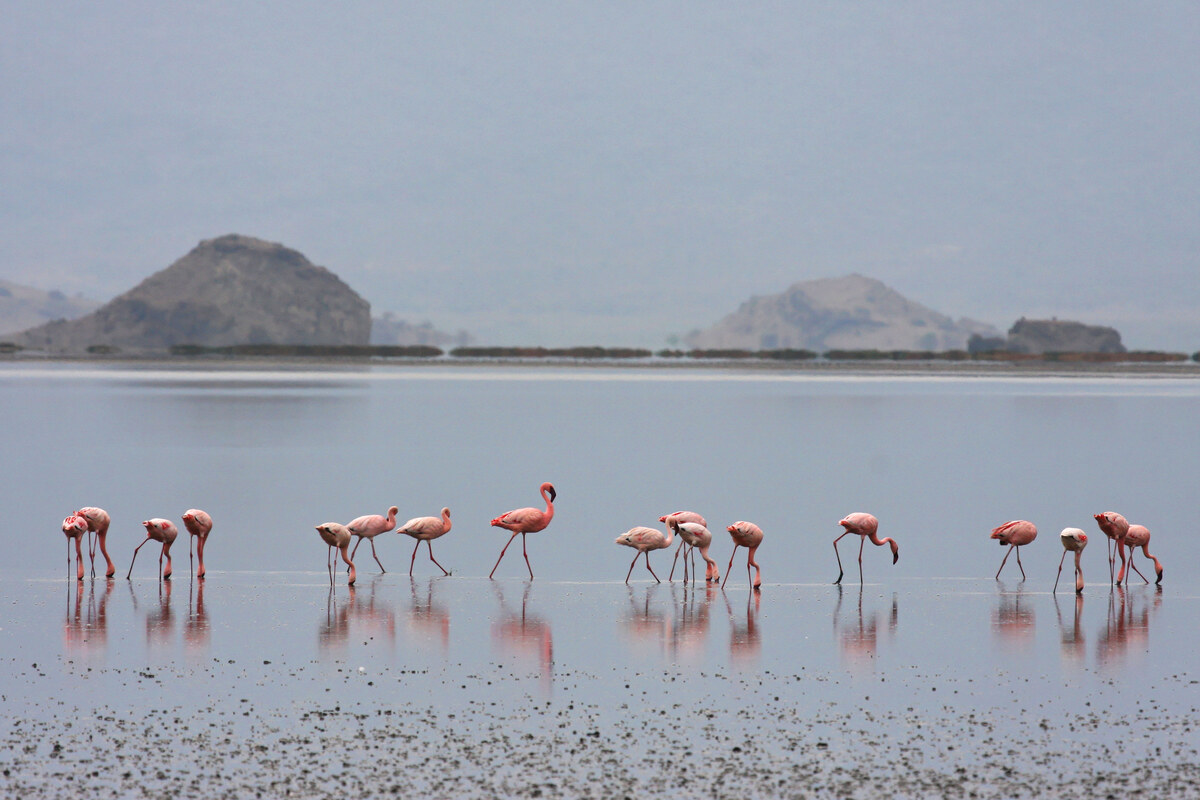
Yes, the Serengeti boasts birds, but focusing only on its plains overlooks the country’s real diversity. Tanzania’s true strength is in its variety of ecosystems—each a stage for different species. You need an itinerary that navigates these zones. Begin in the Arusha Region. The forests of Arusha National Park and slopes of Mount Meru protect forest specialists like the striking Hartlaub’s turaco. Descend into the Great Rift Valley and visit Lake Manyara National Park, where an alkaline lake shimmers with thousands of pink flamingos, pelicans, and storks. Groundwater forests there may reveal the famed tree-climbing lions. Afterward, the Ngorongoro Highlands open to montane grasslands, perfect for raptors and highland species. Finally, vast Serengeti plains provide habitat for open-space specialists, like the mighty Kori bustard (the world’s heaviest flying bird). This progression—from forest, to lake, to highland, to savannah—is the secret to a true birding safari in Tanzania.
This is the most crucial planning gap: the guide. A general safari driver-guide excels at finding mammals, but birds require a different skill set. The difference between a good safari and a transformative birding safari in Tanzania is a dedicated birding specialist. You want a guide who can spot a bird from a fleeting silhouette, or piece together a call from a few notes—someone who knows exactly where a rossy-throated longclaw appears at dusk, and how to position for the best sighting without disturbing wildlife. Birding guides turn a sighting into a story, explaining symbiosis, mating rituals, and migration patterns. When researching operators, ask directly: “Is my guide a certified birding expert?” Check for affiliations with ornithological societies. This is not a luxury add-on; it’s fundamental for true immersion. A general guide might point out birds, but a birding specialist opens up an unseen world.
Let’s talk honestly about money—a topic too many top search results for bird watching tours Tanzania avoid or make vague. A premium birding safari is an investment. While standard safari packages may start lower, dedicated birding itineraries are priced higher, typically ranging from $4,500 to $6,200 for a 7-day trip. Why? You pay for specialization. This cost should transparently include: a private vehicle for flexible pacing, a dedicated birding expert guide (your greatest value), park fees for varied ecosystems, full-board accommodation at lodges familiar with early birders, and often, use of high-spec binoculars and bird books. What’s typically not included: international flights, travel insurance, gratuities, or premium drinks. Scrutinize your quote carefully. If a price sounds low, check what’s missing—Is the guide specialized? Is the vehicle shared? In a Tanzania birding safari, the real value is in expertise and flexibility, not shortcuts.
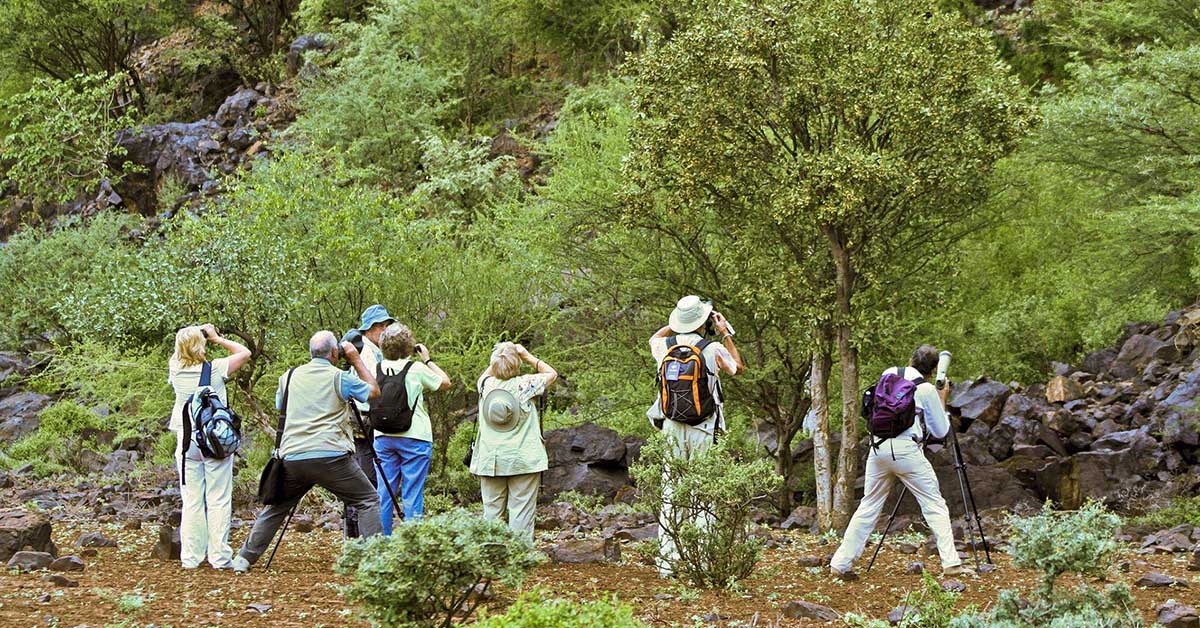
Packing for a birding safari is all about practicality. Your most important tool will be a good pair of binoculars (8×42 or 10×42 are ideal). If you don’t own quality binoculars, many premium operators provide them—just ask. A field guide, such as “Birds of East Africa,” is essential for maximizing downtime and learning. Dress is tactical: neutral, earthy tones (khaki, green, brown) help you blend in. Layer up—crater rim mornings are chilly, and plains midday can be sweltering. Bring a light waterproof jacket. Sturdy, closed-toe shoes are required for short walks. Also pack a wide-brimmed hat, high-SPF sunscreen, and a power bank for your camera and phone. A small red-light headlamp is perfect for non-intrusive nighttime use. This gear keeps you focused on the experience—comfortable, prepared, and alert.
What can you expect each day? Your experience starts before sunrise with coffee and a snack—the “morning magic hour” is essential. You’ll head out as the dawn chorus builds, the cooler air carrying first calls. Your guide listens and interprets every note. Stops are common—and leisurely. You might spend forty minutes marveling as weaver birds build their intricate nests. You’ll return to the lodge for a late brunch, with time to review photos or check your field guide. Late afternoon drives explore new habitats in sunset’s golden light. Evenings are for sharing your day’s sightings over dinner, logging birds on your “life list.” The rhythm prioritizes immersion, not speed. You’ll absorb, not just observe.
With special access comes responsibility. Ethical birding is essential in any Tanzania birding safari. Great guides always put the birds’ well-being first—over any perfect photo. This means keeping respectful distances, never flushing birds from nests (especially when breeding), and speaking in hushed voices. We never play recorded bird calls to attract birds; it’s disruptive and stresses the animals. Our vehicles remain on established tracks to minimize habitat harm. We also support lodges and operators focused on conservation and local community partnerships. Your presence should leave only footprints—taking nothing but photographs and cherished memories. By birding mindfully, you help preserve the wild symphony for future generations.
You don’t need to choose between birds and larger wildlife. In fact, a thoughtfully designed Tanzania birding safari blends both seamlessly. Tanzania’s wildlife spectacle is inseparable from the ecosystems where birds live. A glimpse of a leopard in a sausage tree is more fascinating when your guide notes oxpeckers on a buffalo nearby, or a fish eagle stealing prey from a crocodile. Journeys across the Serengeti are often punctuated by rolls and pauses for vibrant rollers resting on termite mounds. In the Ngorongoro Crater, flamingos on Lake Magadi matter as much as the black rhino in the distance. The recommended itinerary naturally incorporates these mega-fauna highlights. Viewing Tanzania through the birding lens expands, not narrows, your experience—adding color, context, and depth to Africa’s grand story.
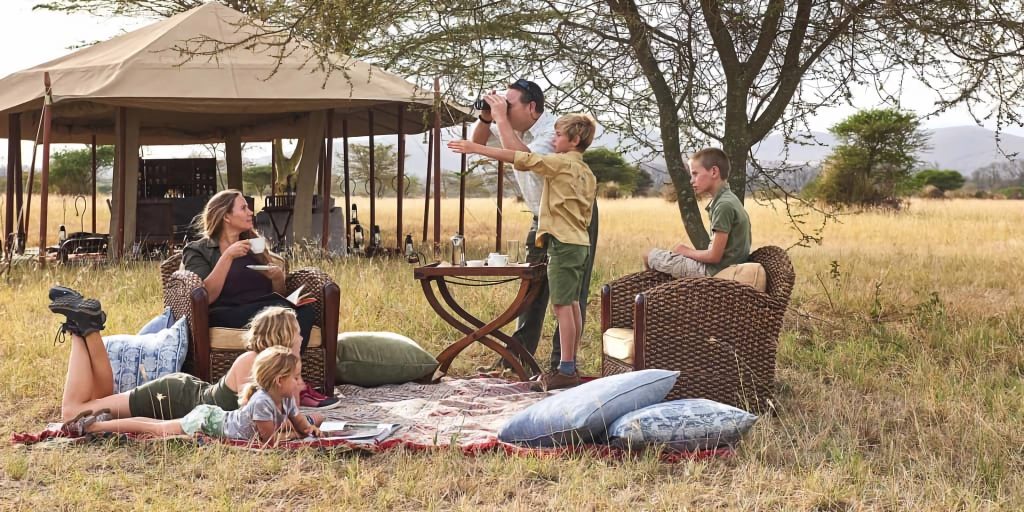
Now that you know the real picture, planning your bird watching safari in Tanzania is all about matching your priorities. First, select your preferred season—balancing migrant excitement or resident species. Next, be uncompromising about choosing an operator who guarantees an expert birding guide. This is your biggest lever for success. Discuss must-see species, favorite regions, and shape a realistic itinerary. Ask precise questions about group size, vehicle type, and what is included in your bird watching tours Tanzania. Finally, book early, especially in peak months—the best lodges and guides get reserved quickly. Bring an open mind, comfortable gear, and a willingness to look—and listen—closer than ever before. Your adventure into the heart of Tanzania’s birdlife awaits.
“`