
Budget Kilimanjaro for Solo Travelers is an appealing option if you’re dreaming of Kilimanjaro, and you’re doing it solo. That’s smart. But you’ve also seen a wild range of prices, from suspiciously cheap to eye-wateringly expensive. The gap between a dream and a disaster often comes down to knowing what you’re actually paying for—and what you’re not.
This guide is for the solo traveler who wants a genuine, safe climb without overspending. We’ll unpack the real costs, demystify the routes, and explain how solo climbing actually works. You’ll get honest, ground-level advice from a team that runs these trips every week.
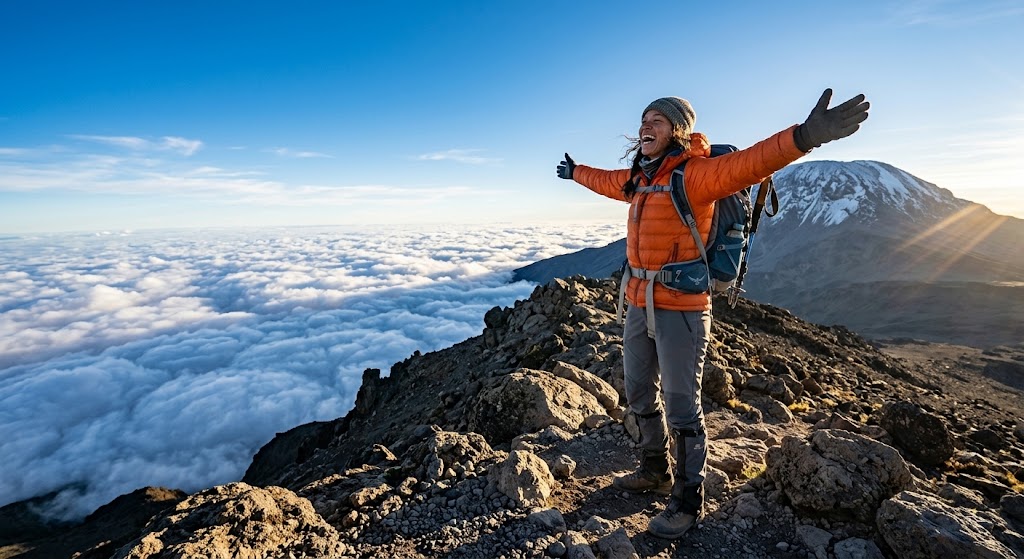
A true budget climb isn’t about finding the lowest advertised number. It’s about maximizing value while ensuring safety and ethics aren’t compromised. The rock-bottom prices you see online? They almost always cut corners in critical areas: guide experience, food quality, porter wages, or safety equipment.
Your goal should be the best value, not the lowest cost. A well-run group climb with a reputable operator offers the perfect sweet spot for a solo traveler. You get professional logistics, shared costs, and instant camaraderie, all for a fair price that supports the local crew properly.
Let’s demystify the price tag. A reputable budget climb in a shared group typically starts around $2,000–$2,500 for the trek itself. The premium routes or private climbs can reach $5,000 or more. This massive range exists for good reason.
The biggest factor is what’s included. A transparent operator will include all park fees, permits, camping gear, meals, guides, porters, and airport transfers. The budget you need to compare is the all-in cost, not the initial quote. Always ask for a line-item breakdown for your Budget Kilimanjaro for Solo Travelers package.
Park fees and permits are non-negotiable and make up a huge chunk of your cost—the park gets over $70 per climber per day. Then there’s wages, food, gear, and transport. A genuinely budget-friendly operator invests in these essentials without skimping on the crew’s welfare or your safety.
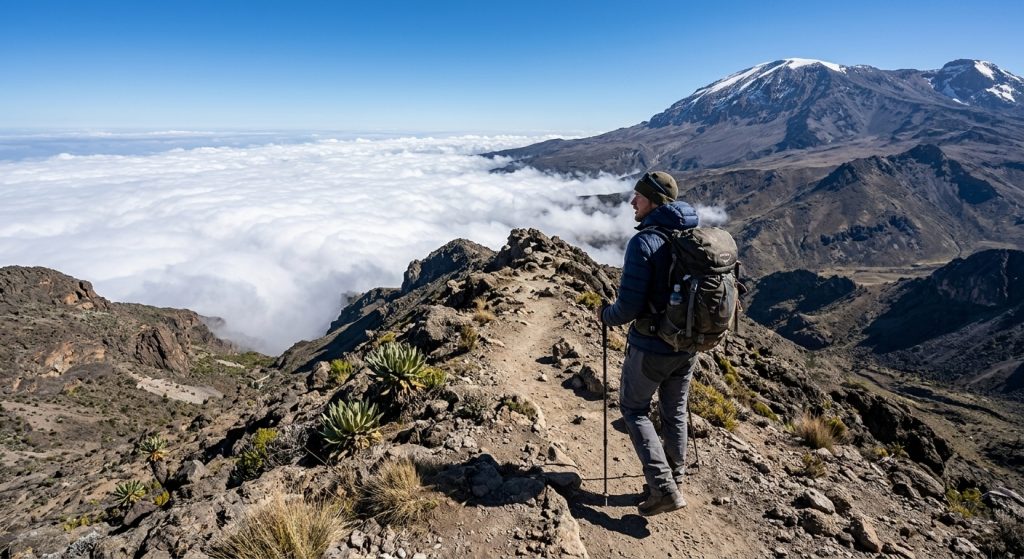
Your choice of route is your most important decision. It directly impacts your chance of success, your comfort, and your budget. For solo travelers joining a group, the most common and recommended options are the Machame and Lemosho routes.
Machame, the “Whiskey” route, is popular for good reason. It’s challenging but offers excellent acclimatization over 6–7 days, making it a reliable choice. Lemosho is longer, more scenic, and slightly less crowded, but often comes at a higher price due to the extra days on the mountain.
The single biggest factor for summiting isn’t fitness—it’s acclimatization. Longer routes give your body time to adjust to the altitude. A true budget nightmare is saving $500 on a shorter 5-day route, only to fail the summit due to altitude sickness. Invest in the days, not just the dollars.

As a solo traveler, you are almost always better off joining a scheduled group departure. This is the secret to an affordable Kilimanjaro climb. You share the fixed costs (like permits, guide salaries, and transport) with other climbers, which brings the per-person price down dramatically.
Going truly “private” is a luxury that can double the cost. Reputable operators regularly schedule group climbs, so you’ll be matched with like-minded adventurers. It’s a fantastic way to meet people, and you’ll have your own tent for privacy at night. You’re solo, but never alone when you choose Budget Kilimanjaro for Solo Travelers.
Tell us what you have in mind and we’ll build you a free, no-pressure itinerary with honest pricing — planned by a local team that runs these trips every day.
The advertised price is just the start. To avoid nasty surprises, you must ask what’s excluded. Common exclusions are international flights, visas, travel insurance, tips for your crew, personal gear rental, and hotels before or after the trek.
Tipping is a significant and expected part of the climb culture. Budget around $250–$350 for your guide, assistant guides, and porters as a group. This is a direct way to reward the team that makes your summit possible. Factor it into your total trip cost from the beginning for your Budget Kilimanjaro for Solo Travelers itinerary.

You don’t need the most expensive gear, but you do need the right gear. Staying warm and dry is non-negotiable. Key items are a quality sleeping bag rated to -10°C, a insulated sleeping pad, waterproof layers, and broken-in hiking boots.
Many operators offer affordable rental packages for bulky items like sleeping bags, trekking poles, and duffels. This is a huge money-saver. Focus your spending on good boots and personal layers. A thorough gear list from your operator is your best shopping guide for any Solo Kilimanjaro Trek.
The best training is hiking with a pack. Focus on building endurance with long walks on variable terrain, ideally including hills. Cardiovascular fitness is key, but leg strength for long, slow climbs is what you’ll use most. Start training months in advance.
This is where budget operators separate themselves from dangerous ones. Ask direct questions: What is the guide-to-climber ratio? What oxygen and medical equipment do they carry? What is their emergency evacuation procedure?
Ethical treatment of porters is a major red flag for cut-rate companies. Responsible operators provide proper meals, fair wages, and adequate shelter for their crew. Supporting a company that cares for its team isn’t just ethical—it means they value safety and professionalism overall.
Your climb starts and ends in Arusha or Moshi. You’ll need at least one hotel night before the trek for briefing and gear check, and one after for celebration and de-brief. Most budget packages include these nights, but always confirm.
Airport transfers are another key inclusion. Kilimanjaro International Airport (JRO) is about an hour from Arusha. A reliable operator will meet you there and handle all transport to the hotel and the mountain gate. This seamless logistics chain is part of what you pay for in a Budget Kilimanjaro for Solo Travelers package.

The best climbing seasons are the dry periods: late June to October, and December to early March. These months offer the clearest skies and most stable trails. This is also peak season, so prices are at their highest and routes are busiest.
For the budget-conscious solo traveler, the “shoulder” seasons can offer value. Consider late October to early December, or April to early June. You trade a higher chance of rain for lower prices and fewer crowds. The mountain is still climbable; you just need to be prepared for wetter conditions, which is important for a Solo Kilimanjaro Trek.
Kilimanjaro creates its own weather. You’ll pass through five ecological zones, from rainforest to arctic summit. Being prepared for cold, wet, and windy conditions at any time is crucial. A good packing list accounts for all of it.
Don’t send a deposit until you have clear answers. Request a detailed itinerary with daily distances and altitudes. Get a written list of exactly what is included and excluded. Ask for their summit success rate for the route you’re considering.
Read recent, independent reviews. Talk to the company directly—a responsive, knowledgeable team is a good sign. Finally, ensure your travel insurance explicitly covers high-altitude trekking up to 6,000 meters and includes emergency evacuation. Now you’re ready to book with confidence for your Budget Kilimanjaro for Solo Travelers adventure.
“`