
The Budget Kilimanjaro vs Luxury Trek decision can feel overwhelming. You’re picturing yourself on the rooftop of Africa, but a quick search for Kilimanjaro trips shows a dizzying price range. From seemingly cheap deals to five-figure luxury expeditions, how do you choose? As a local operator, I see travelers grapple with this daily.
The right choice isn’t just about your bank account—it’s about safety, comfort, ethics, and your chance to summit successfully. Let’s look beyond the brochure photos to the real differences on the mountain.
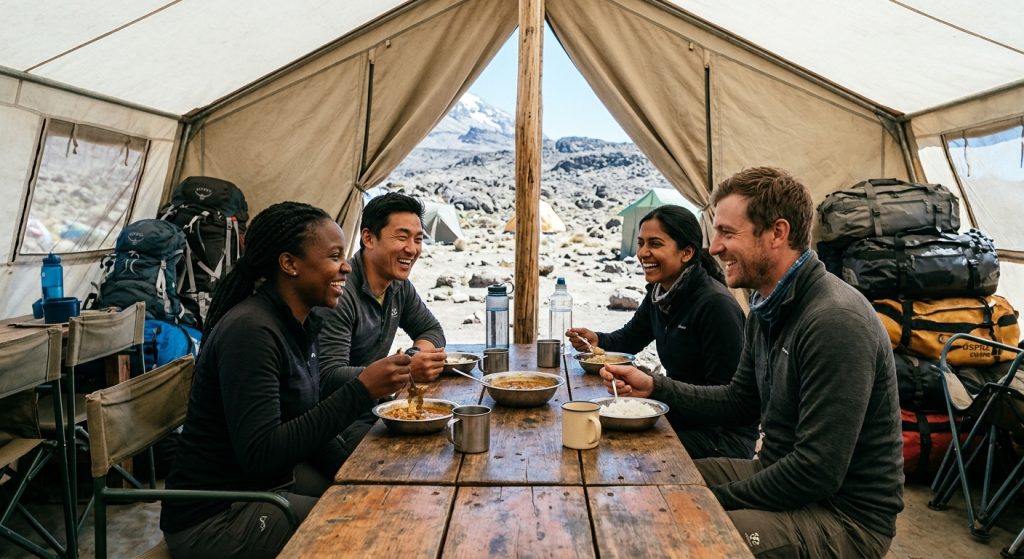
It’s more than just a nicer tent. The price difference fundamentally changes your support system, daily comfort, and logistical safety net on a 5,895-meter mountain.
A budget climb provides the essentials: transportation to the gate, park fees, food, a basic tent, and a guide. It gets you up the mountain. A luxury trek rebuilds that foundation with higher-quality versions of everything.
Think thicker sleeping mats, a private toilet tent, mess chairs with backs, and significantly better food variety. The staff-to-client ratio is higher, meaning more attentive service and faster response if you need help.
Let’s talk numbers. A major fixed cost is the park fees paid to the Tanzania National Parks Authority. For a 7-day Machame route climb, these mandatory fees alone can exceed $1,000 per person.
This is a key gap most comparisons miss. After fees, a budget operator has very little margin. To keep prices low, they often cut corners on equipment quality, food budgets, and staff wages. The trek happens, but the experience is lean.
A mid-range or luxury operator reinvests the higher price into better logistics: newer vehicles for transfers, high-altitude tents, medical oxygen, and fair salaries that attract experienced guides. You’re paying for resilience.
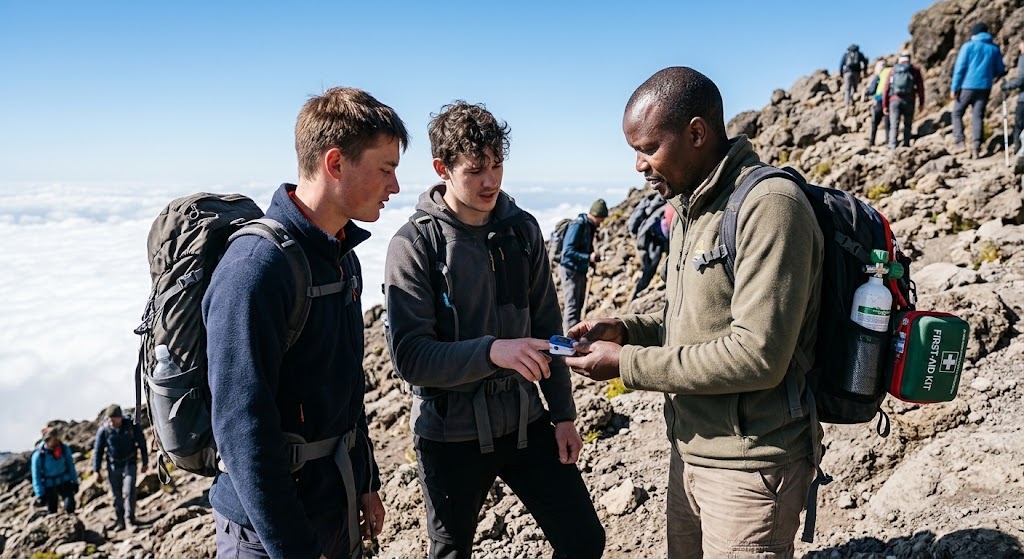
This is the most critical, yet most under-discussed, difference. A luxury trek isn’t about pampering—it’s about a superior safety framework that directly impacts your summit chance.
Better operators use longer, scientifically-proven routes for acclimatization. They carry comprehensive medical kits, pulse oximeters for daily health checks, and have reliable emergency evacuation plans. This professional oversight significantly boosts summit success rates.
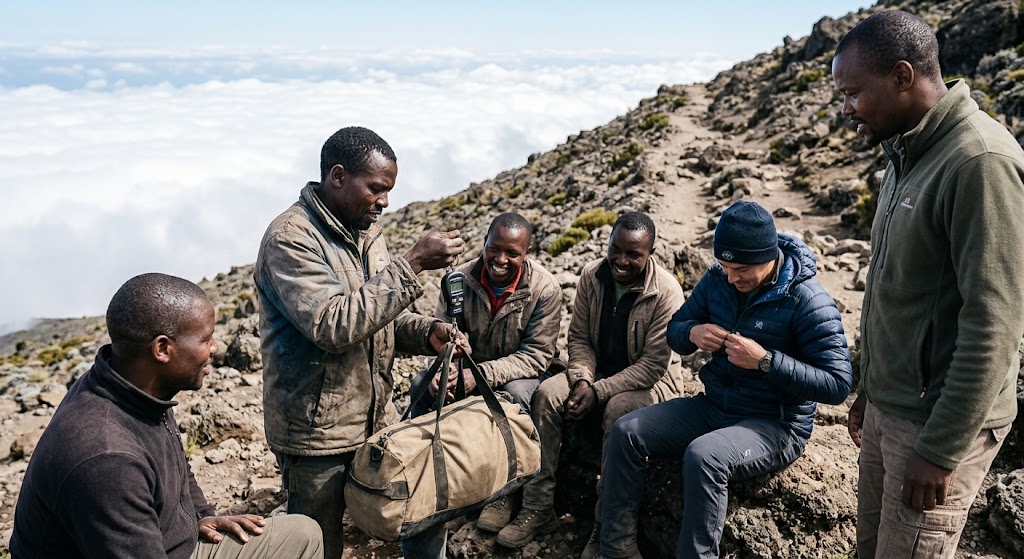
How a company treats its crew is a litmus test. Budget prices often mean porters carry loads above the recommended 20kg limit, sleep in crowded mess tents, and are paid minimal wages.
Reputable operators, whether mid-range or luxury, adhere to the guidelines of the Kilimanjaro Porters Assistance Project (KPAP). This means fair pay, proper clothing, adequate food, and weight limits. Your fee supports a humane, sustainable system.
It’s a question worth asking directly: “Are you KPAP partnered?” If the answer is vague, you have your answer about where those cost savings come from.
After a long day hiking, certain comforts aren’t frivolous—they’re restorative. A good night’s sleep and staying warm are crucial for acclimatization.
A budget climb typically provides a basic foam pad. Luxury operators use insulated, inflatable sleeping mats with high R-values for ground insulation. Having a private toilet tent is a massive quality-of-life upgrade, especially at night in the cold.
Tell us what you have in mind and we’ll build you a free, no-pressure itinerary with honest pricing — planned by a local team that runs these trips every day.
The “Coca-Cola” route (Marangu) is often marketed as the budget option because it uses huts instead of tents. However, its shorter 5-day itinerary has a lower success rate due to poor acclimatization.
Routes like the 7-day Machame or 8-day Lemosho cost more in park fees due to more days on the mountain, but they offer a much higher chance of summiting safely. The “luxury” is often in choosing the smarter, longer route.
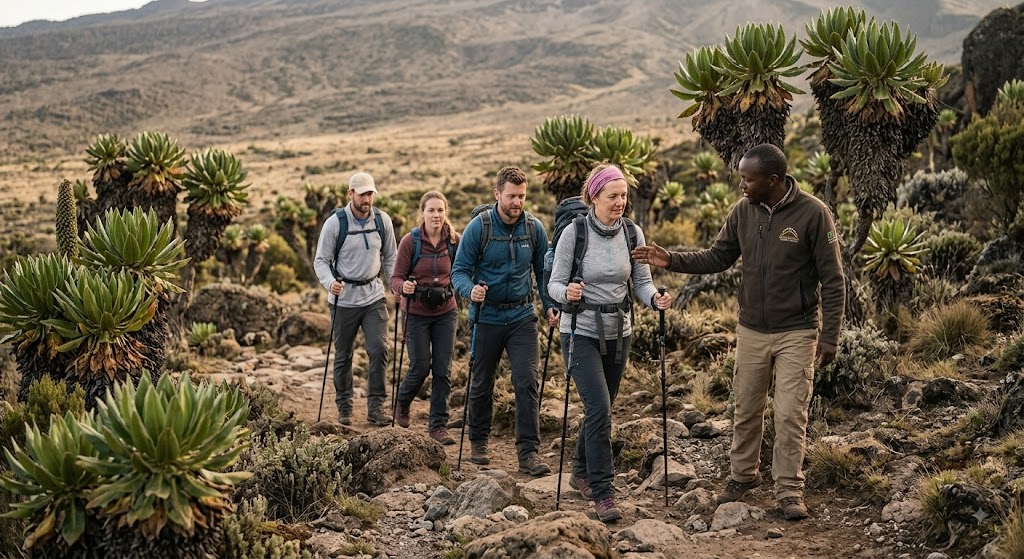
Luxury trekking is for travelers who value reliability, safety, and comfort as part of their adventure. It’s not about being unable to rough it.
If you want the assurance of the best-available guides, seamless logistics from Arusha, and the physical comfort that helps you recover daily, the investment makes sense. It’s for those who see this as a once-in-a-lifetime challenge and want to stack every advantage in their favor.
The advertised price is rarely the final cost. Budget operators frequently exclude essential items, pushing the real cost higher.
You may need to rent sleeping bags, trekking poles, and waterproof layers separately. Transfers from Kilimanjaro Airport to Arusha might be extra. Most importantly, tipping—which is a significant and expected cost for the crew—is never included and can add hundreds of dollars.
Nutrition is fuel. Budget meals are often carb-heavy and repetitive—lots of pasta, rice, and bread. Hydration might be from boiled water that tastes of iodine.
On a higher-quality trek, chefs prepare varied, energizing meals with fresh vegetables and proteins. They provide filtered drinking water. Eating and drinking well is a subtle but powerful tool for maintaining strength and morale, especially when comparing luxury vs budget Kilimanjaro experiences.
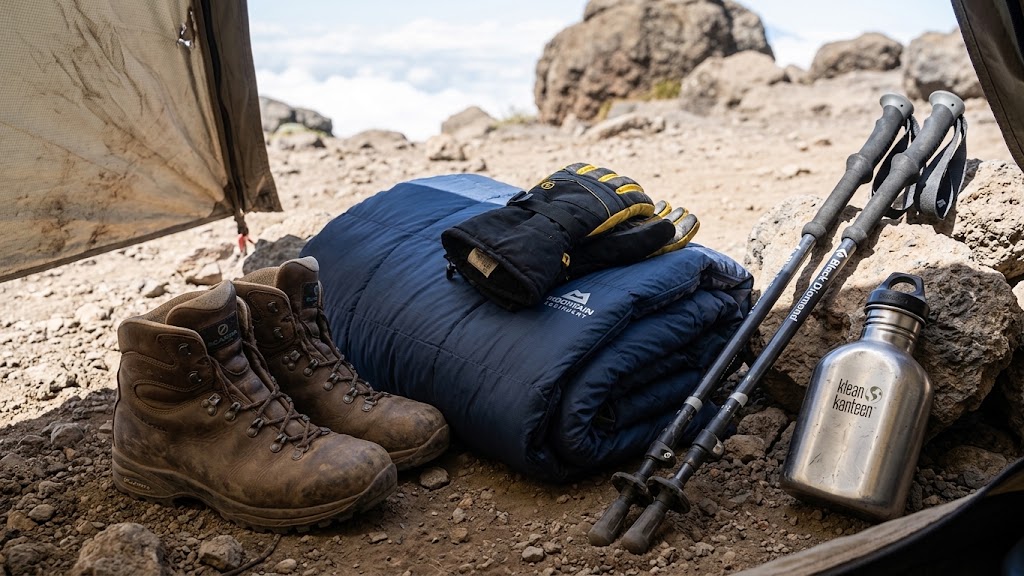
So, which should you pick? Evaluate your priorities. If the absolute lowest price is the only goal, a budget climb exists—but go in with eyes wide open about the trade-offs in comfort, ethics, and safety margins.
For the vast majority, a reputable mid-range operator offers the best balance. You get the critical safety protocols, ethical staff treatment, good equipment, and a high-success-rate route without the premium for private toilets and gourmet meals. It’s the sweet spot for a safe, successful, and deeply rewarding climb.
You might find advertised prices starting around $2,000 for shorter routes like Marangu. However, this often excludes gear rental, transfers, and tips. The true all-in cost is usually higher.
A full luxury experience with premium services, private bathrooms, and high guide ratios can range from $6,000 to over $10,000 per person, depending on the route and operator.
Indirectly, yes. Pricier tours typically use longer routes with better acclimatization profiles and employ more experienced guides who monitor your health closely. This professional framework boosts success rates.
Any legitimate operator includes mandatory park fees in their quoted price. This is a major cost component, often over $1,000. Always confirm what’s included to avoid surprise fees at the gate.
The biggest differentiator is the guide’s training and the emergency plan. Top operators use Wilderness First Responder-certified guides, carry portable oxygen, and have guaranteed vehicle evacuation plans.
Ask if they are a partner of the Kilimanjaro Porters Assistance Project (KPAP). KPAP partnership is the most reliable indicator of fair wages, load limits, and proper working conditions.
It can be, due to its shorter duration (fewer park fees) and use of huts instead of tent rentals. But its lower summit success rate means a higher risk of failing your goal, which is its own costly disappointment.
A high-quality sleeping mat for insulation and a private toilet tent are the two upgrades that most significantly improve daily comfort and hygiene on the mountain.
Tipping is a substantial expected cost not included in any tour price. For a standard climb, budget between $250 to $350 per person to be distributed among the guide, assistant guides, cook, and porters.
Yes, most operators offer gear rental for items like sleeping bags, trekking poles, and duffels. However, for critical items like waterproof clothing and broken-in boots, bringing your own is always recommended. When considering luxury vs budget Kilimanjaro options, gear rental is common for all climbers.