
Planning a Kilimanjaro climb on a budget can feel like navigating a maze. This Kilimanjaro Budget Travel Guide helps you see wildly different prices and wonder what you’re really paying for. The truth is, a ‘budget’ climb isn’t just about the lowest price—it’s about smart value, where your safety, comfort, and chances of standing on the roof of Africa don’t get compromised.
This guide is for the first-time visitor who wants an honest look at the real costs, what to expect, and how to find a reliable operator without overspending. We’ll strip away the brochure gloss and talk about what it’s really like, from daily life on the trail to the hidden expenses that catch people out.

The biggest gap in your research will be the final number. Advertised prices often exclude essentials. A true budget climb with a licensed, reputable operator typically ranges from $2,000 to $2,800 for a 6-7 day trek. The rock-bottom prices you might see? They usually cut critical corners on safety, staff wages, or food quality.
Your total cost is a puzzle with several pieces: the operator’s fee, park fees (which are fixed by the government and make up a huge part of the cost), gear rental, tips for your crew, and your flights. Understanding this breakdown is your first defense against misleading deals.
Let’s demystify the operator’s quote. Around 60% of it goes straight to Kilimanjaro National Park for permits, camping fees, and rescue levies. This is non-negotiable. Another 25-30% covers your support team: guides, cooks, and the porters who carry the camp.
The remaining portion is for your food, transport from Arusha, and the company’s overhead. A genuinely budget-friendly operator optimizes logistics and group sizes, not porter welfare or meal portions. If a price seems too good to be true, it’s almost certainly coming out of the team’s pay or your safety gear.

Your chosen route dramatically impacts both cost and experience. The Marangu route is often marketed as the ‘cheapest’ because it uses permanent huts instead of tents. However, its shorter 5-day itinerary has a much lower summit success rate due to poor acclimatization. For those interested in Budget Travel Tanzania, understanding route differences helps plan your trip more effectively.
For better value, consider the Machame or Lemosho routes. Though often slightly more expensive due to longer park stays, their 6-7 day itineraries provide critical acclimatization time, significantly boosting your chance of success. Paying a little more for an extra day is the wisest budget decision you can make—it saves you from paying to fail.
This is where careful operators stand out. A proper budget package should include all park fees, all meals on the mountain, drinking water, camping equipment (tents, sleeping mats), oxygen for emergency use, and transport to/from the park gate. It must also include fair wages for a full crew.
Crucially, ask what is NOT included. Common exclusions are tips for the crew (budget $250-$350), personal gear rental (sleeping bag, trekking poles), accommodation in Arusha before/after, and travel insurance. Getting this list upfront prevents nasty surprises.
Tell us what you have in mind and we’ll build you a free, no-pressure itinerary with honest pricing — planned by a local team that runs these trips every day.
Never compromise on safety to save money. A legitimate operator will have certified Wilderness First Responder guides, carry a portable hyperbaric chamber (Gamow bag) and emergency oxygen, and use pulse oximeters for daily health checks. These are non-negotiable.
Ask directly about their safety protocols and evacuation plan. How many guides per group? What’s their emergency communication system? If they’re vague, walk away. Your budget should fund a safe climb, not a risky one.
The porter is the backbone of your climb. Unethical budget operators overload them, underpay them, and provide substandard food and shelter. The Kilimanjaro Porters Assistance Project (KPAP) sets guidelines for fair treatment, weight limits, and proper equipment.
Choosing a KPAP-certified partner operator is the single best way to ensure your budget doesn’t fund exploitation. It means your cost covers a living wage, adequate food, and safe sleeping conditions for the team making your summit possible. This is responsible budgeting, and aligns with the principles of Budget Travel Tanzania by promoting ethical travel choices.

Personal gear is a major budget factor. You need a high-quality sleeping bag rated for -10°C, insulated hiking boots broken in well before the trip, layered clothing, and trekking poles. Trying to cheap out here will make you miserable, or worse, force you to turn back.
Most operators offer rental packages for major items like sleeping bags, jackets, and poles for around $100-$200 for the trek. This can be a cost-effective solution, but inspect the gear upon issue—it should be clean, dry, and in good repair.
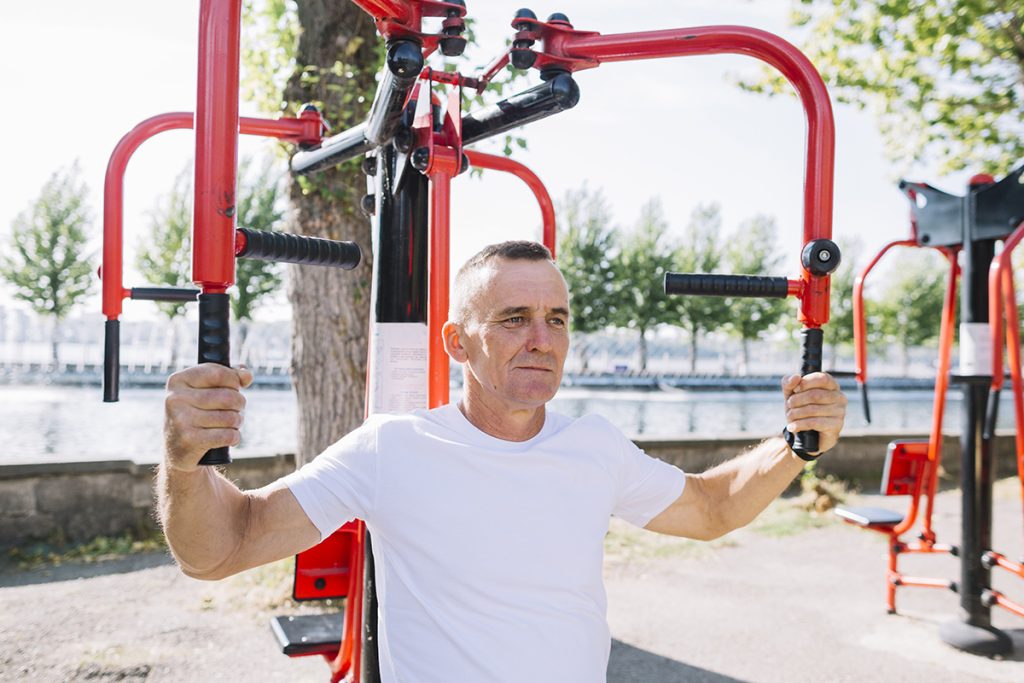
Your fitness is your most valuable, and free, asset. A proper training plan focused on cardiovascular endurance (long hikes, stair climbing) and leg strength is essential. This doesn’t require a fancy gym; loaded day hikes in your local area are perfect preparation.
Start training at least 3-4 months in advance. The fitter you are, the more you’ll enjoy the journey and the better your body will handle altitude. Investing time in preparation is the ultimate budget upgrade—it costs nothing but dramatically increases your success odds.
Timing affects price and experience. The high seasons (July-October and December-February) have the best weather but are the most expensive and crowded. The shoulder seasons (March and November) often offer a sweet spot: lower prices, fewer people, and still decent weather, with a higher chance of brief rain.
The low season (April-May) is the wettest and cheapest. While serious budget operators still run trips, be prepared for muddy trails and persistent clouds that can block the famous views. It’s a trade-off only you can weigh.
Contact operators directly and ask detailed questions. A good company will be transparent, patient, and proud of their standards. Ask for a detailed day-by-day itinerary, a full equipment list, and client references. Read recent, independent reviews.
Ultimately, view your budget as an investment in a life-changing experience done right. The goal isn’t to find the absolute cheapest option, but the best value operator that gets you to the summit safely, ethically, and with memories to last a lifetime. This strategy is central in any Budget Travel Tanzania adventure that aims for both value and safety.