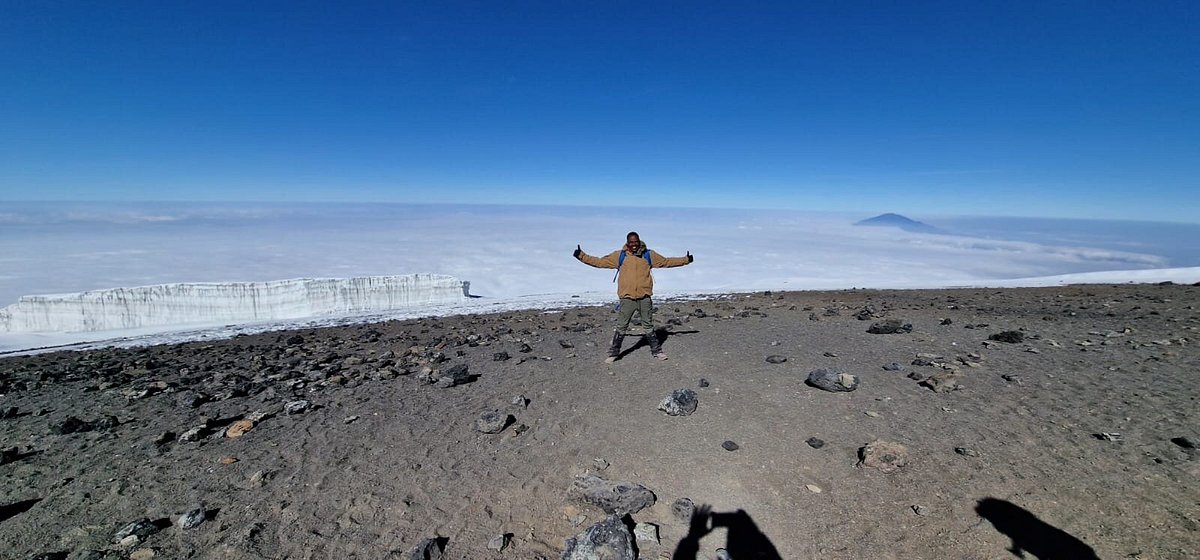
What “Technical Climb” Really Means
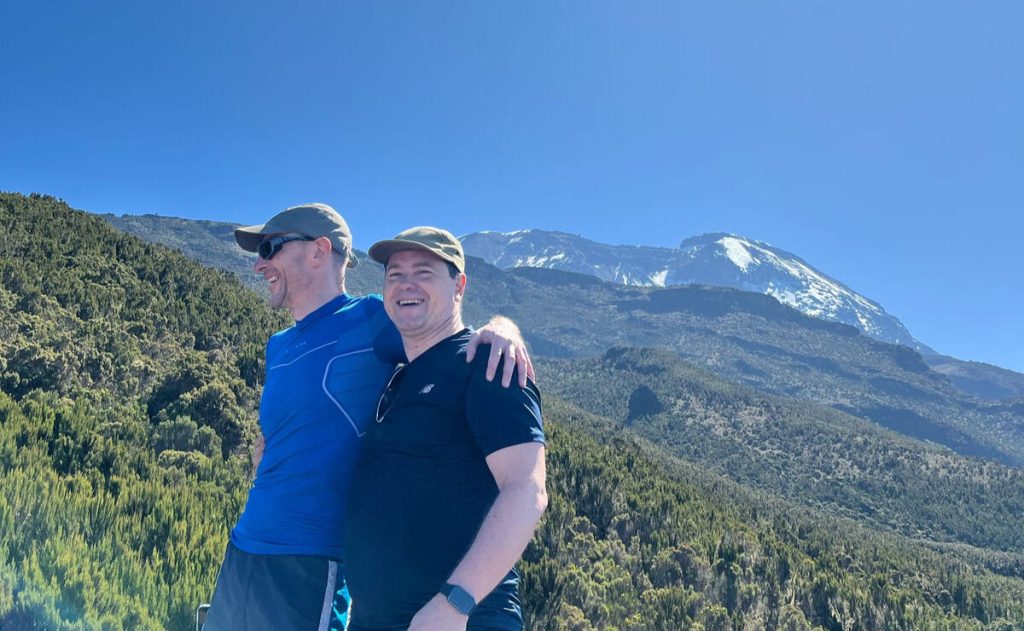
Let’s clarify this simply. A technical climb requires ropes, harnesses, or tools like ice axes. Think of steep rock or ice walls. Kilimanjaro isn’t like that. You follow dirt trails. No ropes needed. But it’s high—very high. The summit is above the clouds, where thin air makes breathing hard. Your legs may feel heavy. That’s altitude, not climbing skill. So pack good boots and warm clothes. Train your heart and lungs. But don’t stress about needing climbing lessons. For a better understanding of the climb, check out our guide.
Why Fitness Matters More Than Climbing Skills
Since it’s not a technical climb, your fitness is key. Think of long walks uphill for hours, and even days in a row. Your heart pumps hard, and your muscles tire. Start training months in advance. Walk stairs or hills near home, and carry a backpack to build stamina slowly. Also, altitude sickness is real. Headaches or nausea can happen. Going slow helps your body adjust. Guides will check how you feel each day, so listen to them. Drink water like it’s your job. If you’re looking for tips on surviving altitude sickness, see our simple guide.
Picking Your Path: Kilimanjaro Routes Made Simple

Different paths lead up the mountain. Some are busier, while others are quieter. Some take longer, which helps with altitude acclimatization. The Marangu route has huts for sleeping, while others use tents. Machame is popular for its views, and Lemosho is beautiful and less crowded. Longer routes (7+ days) allow your body time to adjust, whereas shorter trips can feel rushed. Talk to your guide company, as they know which path suits your pace and preferences.
Your Packing List: What You Actually Need
Pack light but smart. Layers are your friend since mornings can be cold, while afternoons may be warm. A waterproof jacket is essential. Sturdy boots are a must—make sure to break them in first. A warm sleeping bag is necessary for freezing nights. Don’t forget: a headlamp, water bottles, and sunscreen. Porters carry the big bags, while you carry a small daypack with water and snacks. You can rent gear in Tanzania if you don’t own it. No special climbing tools are required. For more detailed packing tips, consider our guidance.
Your Support Team: Guides, Porters, and Safety

You never walk alone. Guides lead your group, knowing the mountain well. They monitor you for altitude sickness, while porters carry tents and food—they’re strong heroes. Reputable companies care for their teams, prioritizing safety. Guides check your pulse daily and have oxygen if needed. If someone gets sick, they assist them down. You can focus on your trek while they handle the logistics. Explore why choosing the right team matters for your climb.
When to Go: Seasons and Weather
Timing is essential. The best dry seasons are January-March or June-October, when skies are clearer and trails are less muddy. The rainy seasons (April-May or November) can be slippery and cold, but you’ll encounter fewer people. Even during dry months, expect cold nights and possible snow near the summit. Always dress in layers and check forecasts before you fly. To get more insights into the weather, check our best time to climb guide.
Mental Prep: It’s a Walk, But a Long One
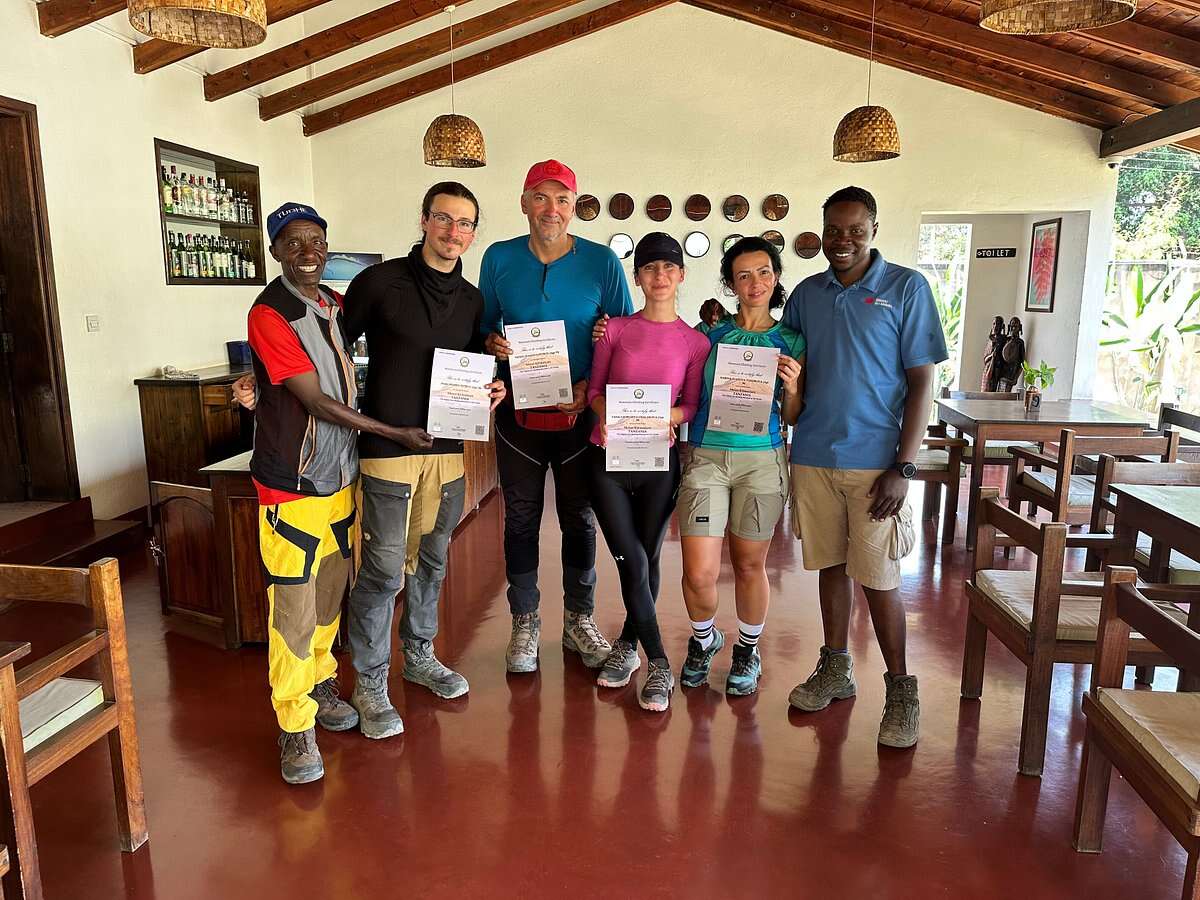
Your mindset matters too. Days are long, and you might feel tired or cold at times. Remember why you came. Take small steps and celebrate little wins. Engage with fellow climbers. Guides share stories to keep spirits high. It’s perfectly okay to go slow. The sunrise at the summit is worth every step, so just keep moving forward. For additional mental preparation, consider our beginner’s plan.
Summing up
So, is Kilimanjaro a technical climb? No ropes are needed—just strong legs and good preparation. Train your body, choose a route that gives you time, pack layers, and trust your team. Go slow, drink plenty of water, and enjoy the views. Ready to take the next step? Our friendly experts are here to help travelers like you plan safely. Share your hopes with us, and we’ll guide you from there.
FAQs
- Q: Do I need climbing experience?
- A: No. Kilimanjaro is hiking, requiring no ropes or special skills.
- Q: How cold does it get?
- A: It gets very cold at night, especially near the top—below freezing. Warm layers are key.
- Q: Can I do it if I’m not super fit?
- A: Start training early to build stamina through walking. Many regular people succeed.
- Q: How long does the climb take?
- A: Most trips take 6-8 days. Longer trips help your body adjust.
- Q: Do I carry my own bags?
- A: Porters carry big bags. You just carry a small pack with water and snacks.
- Q: Is altitude sickness common?
- A: Many experience mild effects. Going slow helps, and guides watch you closely.
- Q: Are there toilets on the mountain?
- A: There are basic toilets at camps, with some being simple pit toilets.
- Q: Can I charge my phone?
- A: Bring power banks, as some companies offer charging for a fee.
- Q: What food will I eat?
- A: Cooks prepare meals such as porridge, soups, pasta, and fruit—plenty of carbs for energy.
- Q: What if I can’t reach the top?
- A: That’s okay. Your safety comes first, and many still enjoy the journey.