A Simple Guide to Understanding Kilimanjaro’s 5 Climate Zones for Travelers

kilimanjaro 5 climate zones explained

Introduction

So you’re thinking about climbing Mount Kilimanjaro. That’s fantastic! I know it feels big. You might wonder: Will I be too cold? Too hot? Can my body handle it? Those concerns are completely normal, especially when you’re coming from the USA or Europe. The air changes a lot as you go up. But don’t let that scare you. Knowing the mountain’s different layers helps. Think of it like walking from a warm summer day in your garden to a snowy winter landscape on the same journey. That’s Kilimanjaro for you. I’ll help you understand it. Here’s your simple guide to Kilimanjaro’s 5 climate zones explained. It’s not hard when you break it down. Let’s make your dream feel more real and much less scary together, step by step.
Zone 1: The Warm Farmland (Rainforest)

kilimanjaro 5 climate zones explained

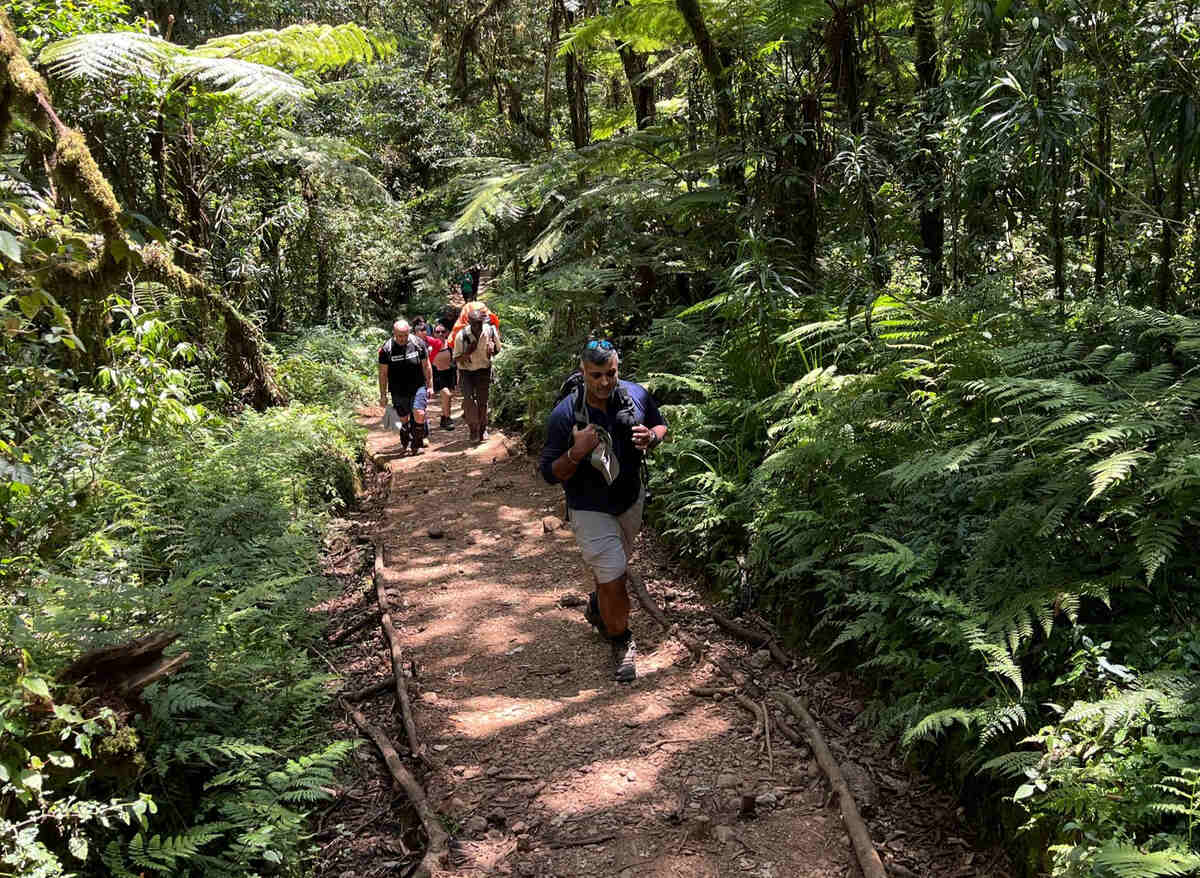
You start low down. It feels like a warm, wet park here. Trees are huge and green. Moss hangs down. Air feels thick and easy to breathe. You’ll sweat a bit while walking. Rain is common, so good boots matter. It’s like being in a very clean, green jungle. People grow coffee and bananas here. See bright birds and hear monkeys sometimes. The path is dirt and rocks but mostly flat at first. Dress like for a warm hike: light pants, a t-shirt, and have your rain jacket ready. Don’t rush. Enjoy the green start. It’s pretty. If you’re looking for more information on climbing, check out our trekking tours to prepare better!

Zone 2: The Open Hills (Heath)

kilimanjaro 5 climate zones explained


As you go higher, the trees get shorter. Now you see wide open hills. The wind picks up a little, and the air feels cooler, like late spring. The sun can be strong, so wear a hat. The mountainside looks like big slopes of purple and brown plants. It reminded me of a cool garden near my house once. Wildflowers bloom, and views open up below. Breathing feels the same as low down for now. It’s a nice walking temperature. Bring water and snacks. You might shed a layer. It’s just right with your sweater on. Pace yourself here. For a detailed adventure, consider our 6 Days Mount Kilimanjaro Climbing Umbwe Route.

Zone 3: The Rocky Land (Moorland)

kilimanjaro 5 climate zones explained

Things change now. Trees really disappear. Only tough bushes and grass remain. Big rocks are everywhere. The path gets steeper and rockier. The sun is bright, but the air feels chillier. The wind blows harder sometimes, like being in windy hills back home. You feel a little lighter as your breathing starts to change. Water tastes colder already. Add your thin jacket now. Some areas feel dry like desert sand. The views behind you get better. You can see clouds below later. Slow steps are best here. If you’re interested in a longer trek, our 10 Days Mount Kilimanjaro Trek and Safari Adventure might be perfect for you.

Zone 4: The Dry, Cold Place (Alpine Desert)

kilimanjaro 5 climate zones explained

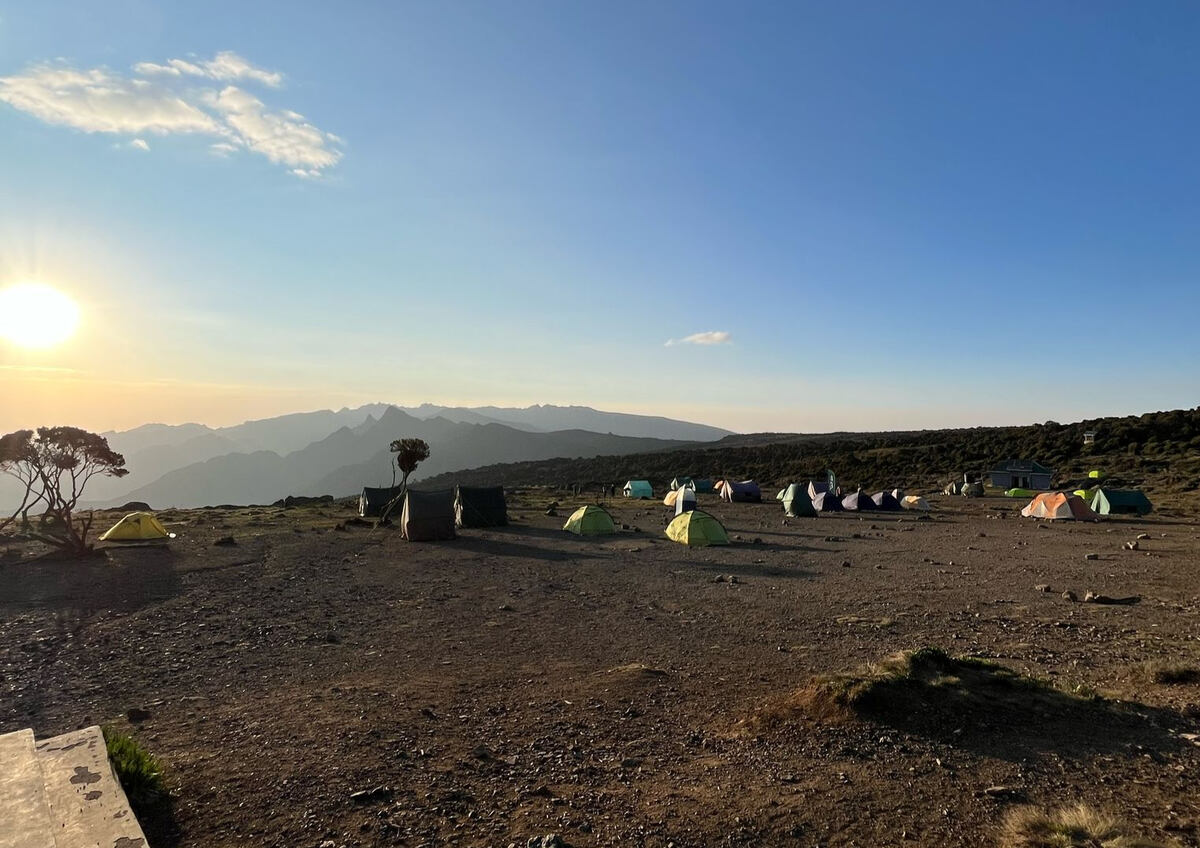
Prepare for cold nights now. The day feels dry like baking powder sand. The wind doesn’t stop much. The sun burns your face quickly. Wear your warm coat. Expect a path of big stones and dust. The plants are tiny and tough. Breathing takes effort, like when you run up stairs. Sip water often. Sparkling snow patches show up way above. The rocks look grey and old. It feels like being on the moon. Walk slower. Shorter steps help. At night, the stars are huge. You need a warm sleeping bag here. For better acclimatization, you might want to read our guide on managing altitude sickness.

Zone 5: The Snowy Top (Arctic)

kilimanjaro 5 climate zones explained

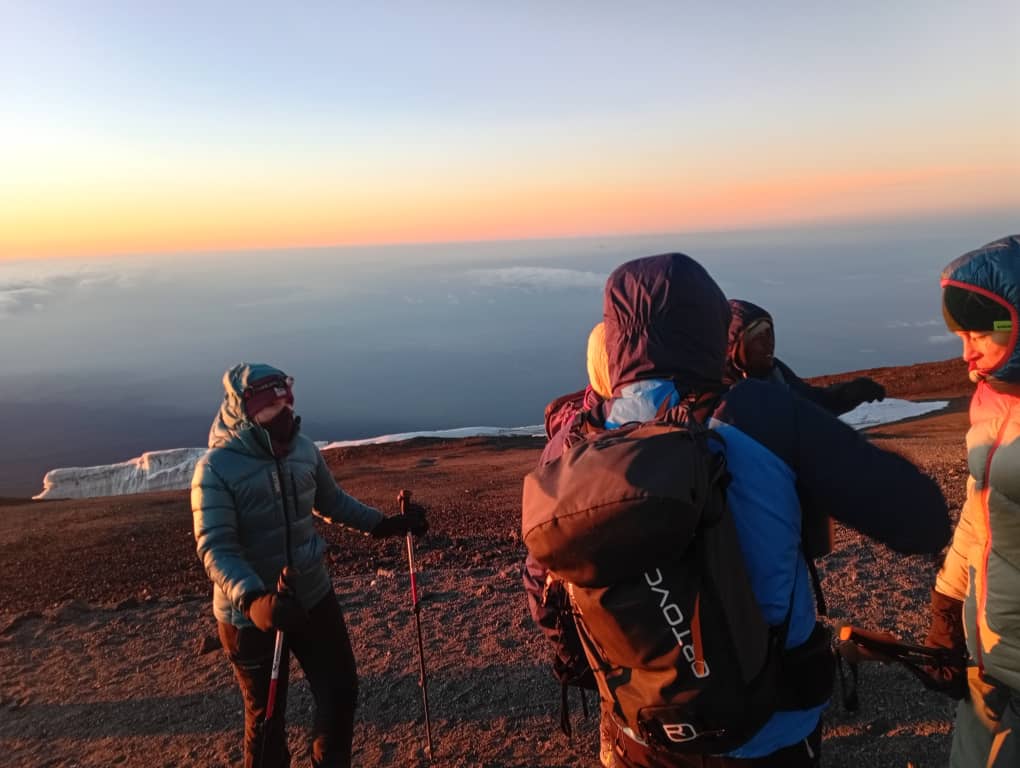
It’s the final push to the top! Very cold, like deep winter. The wind bites, and there’s snow all over the ground, with ice patches too. Breathing feels thin, like blowing hard on a pinwheel. Walking becomes a slow shuffle. There are parts with very steep gravel ash and big jagged stones. The sky feels close. The sunrise from the top is a golden red over a sea of clouds down there. Worth every cold step! You need all your warm layers: hat, scarf, thick socks, and good gloves. Ice can freeze your water bottles. People hug at the summit pole, crying a little happy tears. It’s amazing. Don’t forget to check our comparison of Kilimanjaro vs. Everest Base Camp difficulty if you’re planning more climbs!

How Your Body Feels Going Through the Zones

Yes, the air gets thinner as you climb. Breathing harder is normal. Take slow, deep breaths; it helps. A headache might visit others but hopefully not you. Drink lots of plain water always—your body needs it. Eat snacks you like even if you’re not very hungry. Your guides know it all. Lean on them. Tell them how you feel; they check on you daily. Most troubles are small. Just rest when you’re tired. Your feet do the work, and your heart keeps beating strong. You are tough. For more information on handling yourself through these changes, you can refer to our friendly guide to planning your safe and successful climb.


Summing up

Now you know Kilimanjaro’s amazing layers! From warm jungle walks up to the snowy winter sky, it’s five simple steps changing like nature’s ladder. Pack for both warm and cold. Walk slow, and let no altitude myth scare you away. Many before you have climbed just fine. You are stronger than you think. Do you have more questions? Want to discuss boots or pace?

Our local helpers know Kilimanjaro paths, from village kids to summit pros. We guide safe, happy climbs mostly. Share your hopes with us. Let’s chat soon. Your mountain is waiting, friend.


FAQs

Q: Will my feet freeze at the top?
A: No! With good warm wool socks and boots, the cold comes slowly. Your feet move, and blood flows. Guides know a safe climb pace.
Q: Is Zone 1 hot like jungle heat?
A: It feels like a warm, wet walk. Sweating can happen, but the shade under the trees helps. It’s nothing like bad desert heat.
Q: Do I need a very big warm jacket?
A: A good hiking coat with plenty of warmth inside helps. One you enjoy wearing during winters in the city, not park ranger size.
Q: Can my own body handle thin air?
A: Bodies adapt if you walk slowly. Rest days help. Keep sipping water. Don’t hurry; your lungs will adjust well.
Q: What if rain hits while in the forest?
A: A rain jacket in your pack will keep you dry. The trees block the downpour, and the path stays walkable and muddy fun.
Q: Which zone feels hardest?
A: Many say the last ashy rocky climb in the morning feels the hardest. You are cold and tired, but short slow steps can get you there.
Q: Should I practice cold hikes?
A: Yes! Walk in windy park hills at home. Pack your climb coat and try hiking on cold days. Get comfy wearing all your layers.
Q: Are zone changes sudden or slow?
A: It’s a slow, gradual change over hours of walking. The trees shrink bit by bit, and the cold comes in gently. It’s not a sudden wall.
Q: Why does breathing feel hard?
A: The air gets thinner high up. There’s less oxygen in each breath, so it takes more deep breaths—like swimming slow laps.
Q: How long to walk through all zones?
A: It typically takes five or six days slowly. Each day you climb one to two zones mostly, with good guides pacing it kindly.