
Picture this: It’s a cool morning at the rim of the Ngorongoro Crater, the world’s largest intact caldera. Below you, a silver mist hugs the golden grasslands, pierced by the dark silhouettes of wildebeest and the distant gleam of Lake Magadi. You’re about to descend into a world that feels suspended in time. For a first-time traveler, this moment is a whirlwind of excitement and uncertainty. My aim here is to replace that uncertainty with quiet confidence. I want to give you the clear, practical, and honest picture that turns a dream into a well-planned, deeply felt reality. No hype, just the real view from the passenger seat.
We call it a crater, and geologically, it is. But when you stand on that rim, you’re looking at a self-contained universe. This vast, flat floor is a sunken Eden encircled by steep, green walls. It’s a thriving, densely packed ecosystem where almost everything you’ve come to see lives year-round. The magic isn’t just the density of wildlife, which is extraordinary, but the intimacy. Animals here don’t migrate in and out on a grand scale like in the Serengeti. They live here. This means your game drive isn’t a chase. It’s a slow, immersive exploration of a complete world. You’ll watch elephants dust-bathing in the marshes and lions napping by the vehicle track. You’ll see thousands of flamingos painting the soda lake pink. If you’re fortunate, you might spot the elusive black rhino moving like a shadow across the plain. The experience is profound but contained. This isn’t the endless plains. It’s a spectacular, concentrated showcase of African wildlife.

Very few people fly to Tanzania just for the crater. It’s the brilliant, polished centerpiece of the Northern Safari Circuit. Think of your trip as a story with three key chapters. Ngorongoro is the dramatic climax. Your journey typically begins in Arusha. From there, most itineraries head first to Tarangire National Park. It’s a land of ancient baobabs and massive elephant herds—a perfect, lower-key introduction. Next, you might spend several days in the Serengeti. There, you lose yourself in its breathtaking scale and follow the pulse of the Great Migration, if your timing aligns. Then, you come to Ngorongoro. After the vastness of the Serengeti, the crater feels like a grand finale—a contained, guaranteed spectacle. Finally, many travelers end with a day at Lake Manyara, known for its tree-climbing lions. This is the classic flow. Understanding it is the first step to planning a complete, not rushed, trip.
Here’s a crucial, often under-explained detail: your time inside the Ngorongoro Crater is strictly limited. You descend in the morning, and you must ascend by sunset. No overnight stays on the floor are permitted. A full day—from a 6:00 AM descent to a 6:00 PM ascent—is ideal. It allows for a leisurely exploration, a packed lunch picnic, and the patience to wait for special moments. However, many packaged safaris only allot a half-day. This is a critical question to ask when comparing tours: “How many hours will we have on the crater floor?” With a half-day, you’ll see the highlights, but it will feel hurried. The other key logistic is where you sleep. Staying on the crater rim itself is the premium experience. It offers unforgettable dawn views, but lodges here fill up fast. Other options are in Karatu town, about an hour’s drive from the gate. This is more affordable but adds significant transit time to your game drive morning.
Ngorongoro isn’t a national park; it’s a UNESCO-listed Conservation Area. This distinction matters. It means the land is shared. The iconic Maasai people live here, grazing their cattle on the highlands and coexisting with the wildlife. This balance is fragile, and the rules reflect that. Only licensed, 4×4 safari vehicles are allowed on the crater’s steep descent road. Off-road driving is absolutely prohibited to protect the grasslands. Rangers also enforce strict limits on the number of vehicles allowed on the floor at once. Your guide will brief you on the rules. You must stay in the vehicle except at designated picnic sites. Do not feed or call to animals. Take all litter out with you. Visiting here is a privilege, not a right. Adhering to these rules isn’t just about following orders. It’s about respecting a delicate equilibrium that has endured for millennia.
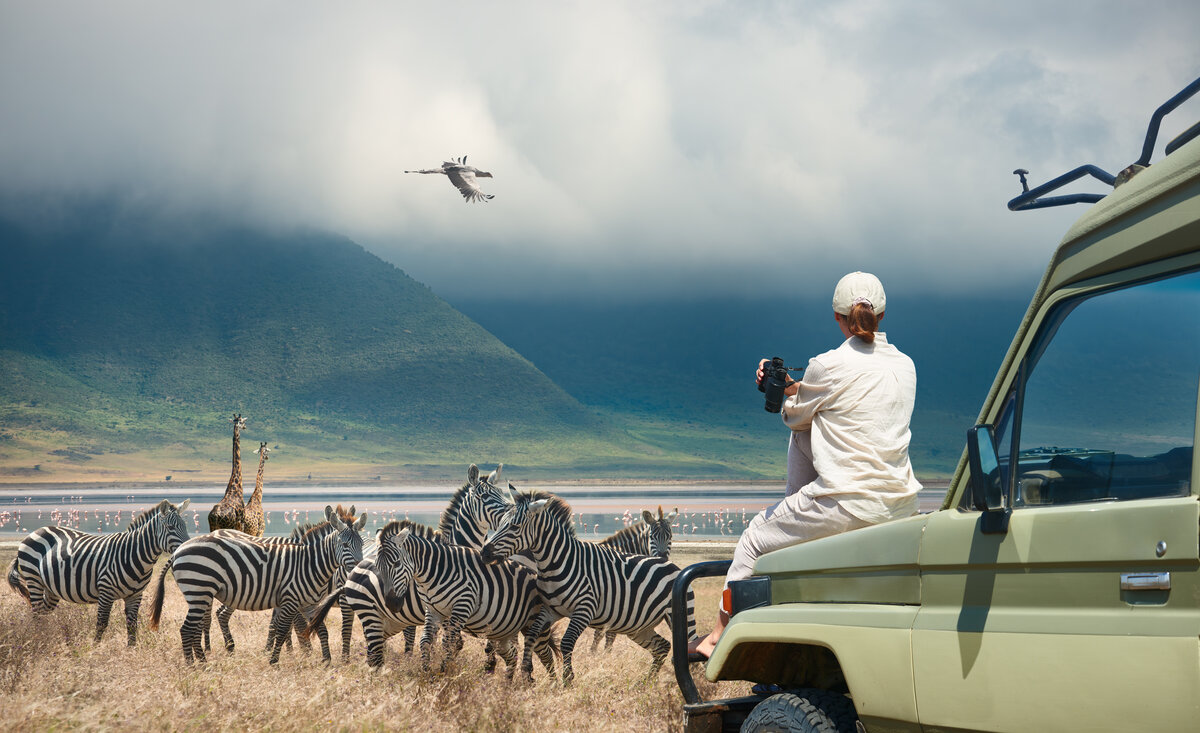
Your experience is utterly shaped by your guide and operator. This is where “commercial investigation” becomes deeply personal. Beyond comparing prices, look for operators who are transparent about their ethics. Ask key questions. Are guides salaried employees with benefits, or freelance contractors? A good operator invests in their team. Are vehicles well-maintained and equipped with radio communication? This is vital for safety and ethical wildlife viewing to avoid crowding. Do they contribute to conservation fees beyond the mandatory park fees? Many top-tier operators support specific anti-poaching units or community projects. Read reviews, but look for the substance behind the star ratings. Focus on comments about guide knowledge, vehicle condition, and respect for park rules. The cheapest option often cuts corners on these fronts. Your choice directly impacts the quality of your trip and the sustainability of this place.
Safari pricing can feel like a maze. A headline price for a “7-Day Northern Circuit” package might seem straightforward, but the breakdown is essential. For your Ngorongoro day, the mandatory costs are the NCA entry fee and the crater service fee for vehicle access. These are always included in your package. Then, there’s your accommodation. A night at a rim lodge costs significantly more than one in Karatu. This dramatically affects the package cost. Also, confirm what “full board” means. Does it include bottled water, drinks, and tips? Often, it does not. Finally, most packages do not include international flights, visas, or travel insurance. Getting a clear, line-item breakdown from your operator is not nitpicking. It’s smart planning. It prevents surprises and lets you compare the true value of different itineraries for your Ngorongoro crater safari.
The crater rim sits at over 2,200 meters (7,200 feet) above sea level. For some, this brings mild altitude effects like shortness of breath, a slight headache, or faster fatigue. It’s normal, but hydrate relentlessly and take it easy. Listen to your body. Malaria is present in Tanzania. Consult a travel clinic well before departure for prophylactic medication recommendations; this is non-negotiable. Packing is about layers. Mornings on the rim are cold, often near freezing. By midday on the crater floor, it can be hot and sunny. A warm fleece, a windbreaker, a hat, and sunscreen are all daily essentials. In the vehicle, dust is a given. Neutral-colored clothing is best, and a bandana is invaluable. Good binoculars are your window to the details. This isn’t about luxury. It’s about practical comfort that lets you focus on the wonder outside your window.
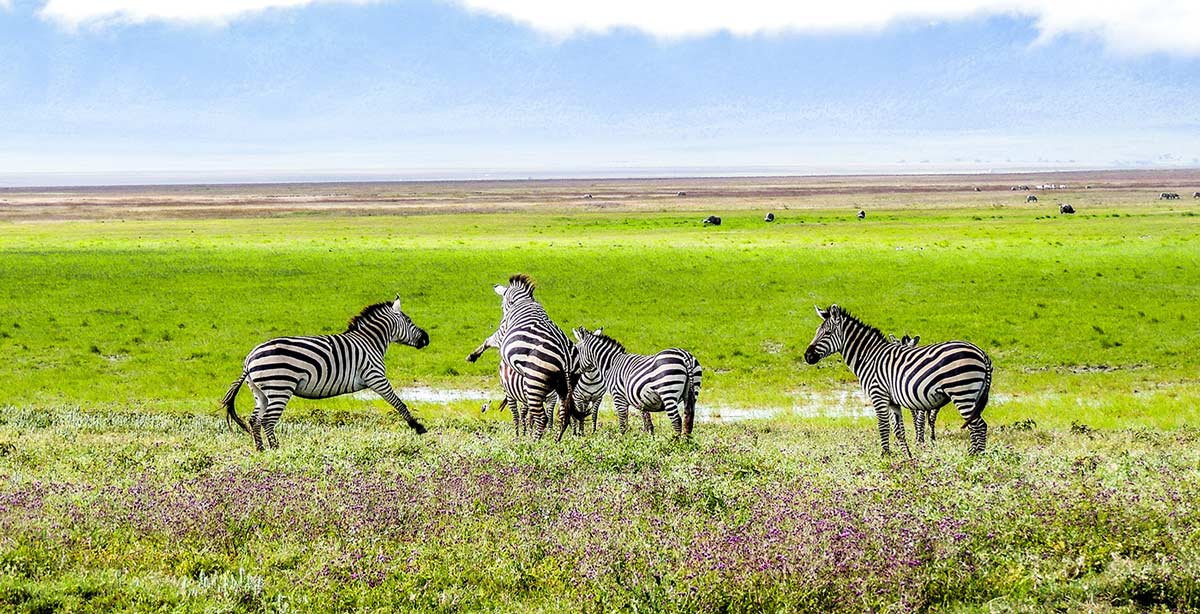
Your Ngorongoro day trip has a beautiful, predictable rhythm. It starts early, wrapped in layers against the rim’s chill, with a quick coffee before the gates open. The descent is a winding journey down a forested wall. You emerge onto the floor as the light turns golden. Your guide will have a plan, often heading towards known lion territories or rhino-frequented areas first. The morning is active, as predators may still be on the move. By late morning, you’ll find a picnic spot to stretch your legs and have lunch, always packed from your lodge. The afternoon is slower. It’s a time for watching herds at the lakeshore, observing elephant behavior, or simply sitting quietly as a secretary bird stalks through the grass. As the sun lowers, you’ll begin the ascent. You watch the shadows climb the crater walls, a full, rich day settling into memory.
Yes, the crater is one of the best places in Africa to see the Big Five in a single day. But focusing solely on that checklist means missing the story. Look at the supporting cast. Watch the elegant serval cat hunting in the long grass. Marvel at the vibrant hues of the malachite kingfisher. Laugh at the warthogs kneeling to graze. See the symbiotic relationship between zebras and wildebeest. The crater is also a birdwatcher’s paradise, from the imposing martial eagle to the thousands of flamingos. Your guide can point out the smaller dramas: the dung beetle rolling its prize or the banded mongoose sentinel on duty. When you appreciate the entire ecosystem, the appearance of a lion becomes part of a grand narrative, not just a box ticked. It makes the experience infinitely richer and is what defines the best Ngorongoro wildlife tours.
As you drive up that winding road at day’s end, you carry the Ngorongoro Crater with you. The question is, what did you leave behind? The goal is only footprints and photographs. This means choosing operators who prioritize conservation. It means respecting all park rules, especially staying on tracks. It means bringing reusable water bottles to minimize plastic waste. It means being mindful of your cultural interactions. Always ask permission before taking a portrait of the Maasai people. It means tipping your guide and camp staff fairly—their livelihoods depend on tourism. Ultimately, your visit is a vote. By supporting ethical, responsible operators, you help ensure that this world within a world thrives for generations to come. That’s the most meaningful souvenir you can take home.