
Your first Serengeti safari begins long before you land in Tanzania. It starts with a question: how do you turn this dream into reality? Picture the scene: you’re in the open vehicle at dawn, breath visible in the chill. The golden light spills over the vast plains, and you understand—this isn’t a theme park. The wildlife is wild, the journey is real, and the magic lies in embracing it all.
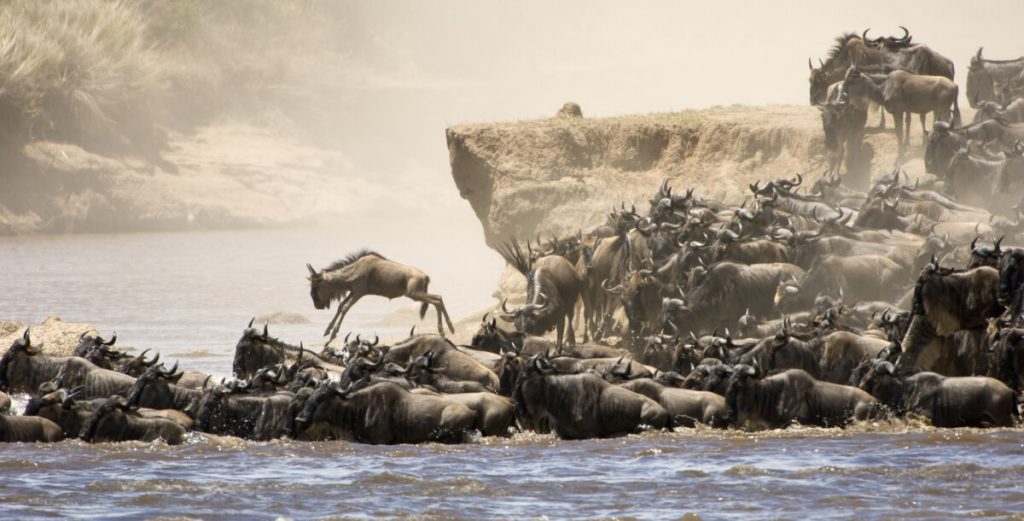
The word “guaranteed” doesn’t belong on safari. Instead, you get a profound, seasonal drama. The Great Migration sees over a million wildebeest and zebra in a constant, instinct-driven loop. But they don’t follow a human calendar. Sources often provide conflicting windows for the best viewing. Broadly, expect river crossings in the Northern Serengeti from July to October. Meanwhile, the southern plains are lush with newborns from January to March. So, ask your operator this: “Based on the rains this year, where are the herds likely to be during my dates?” That conversation replaces hype with a realistic, informed chance at a life-changing spectacle.
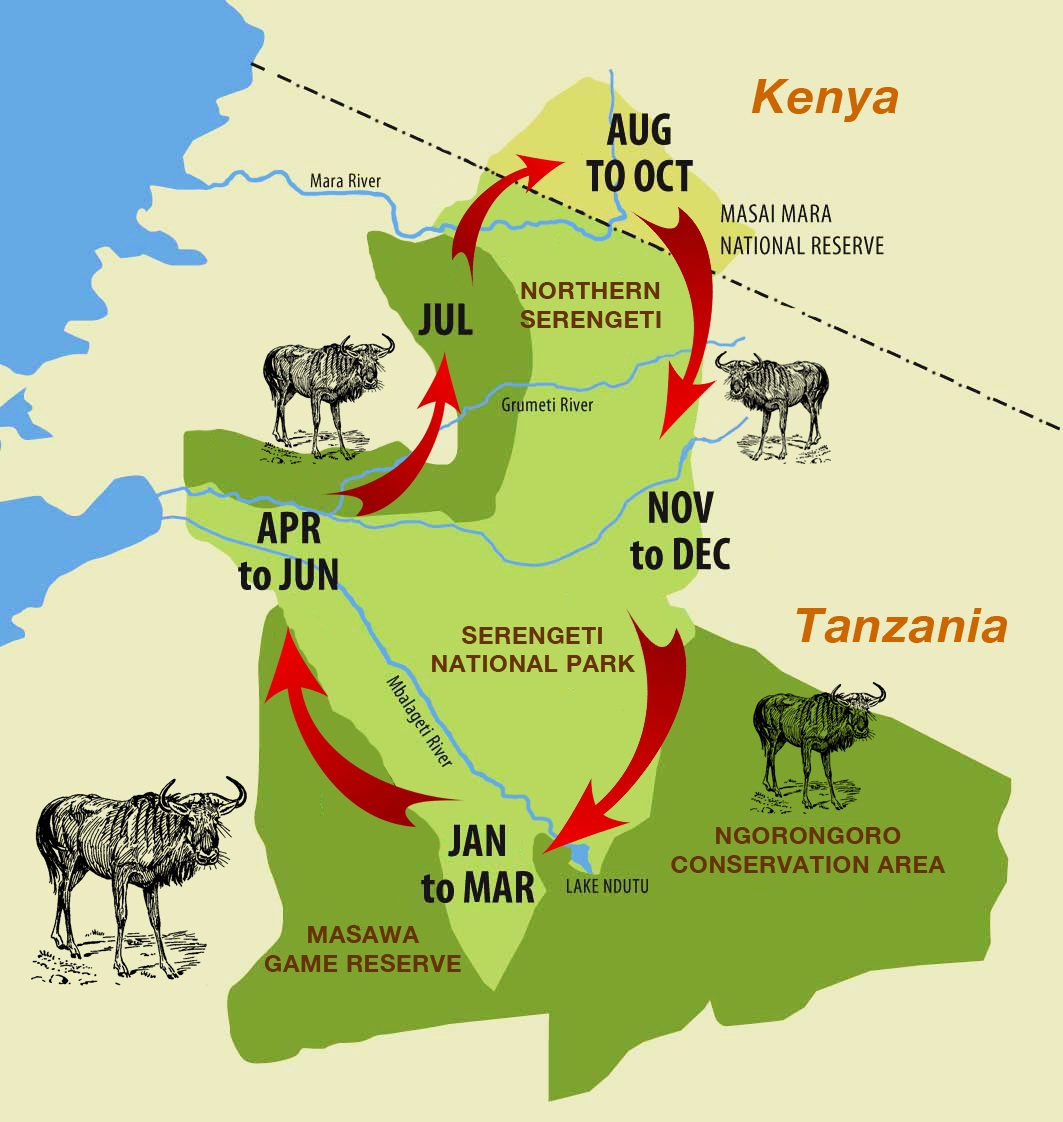
Your trip is a clockwork of small planes, dusty roads, and remote airstrips. Arusha is your essential gateway. Every safari begins and ends there. From Arusha, you’ll take a light aircraft into the heart of the Serengeti. Then, you’ll base yourself from a specific lodge or camp. You’ll venture out on game drives in 4×4 vehicles. The park is divided into distinct regions—Central Seronera, North, West, South—each with its own character. Routing isn’t random. In fact, a good itinerary thoughtfully moves you between these regions to maximize wildlife viewing. Understanding this map demystifies the entire experience.
Seeing a price like “$4,000 per person” tells you little. The critical question is: what does that include? A typical mid-range to luxury safari package covers park fees, accommodation, all meals, game drives with a guide, and domestic flights. What it likely won’t cover are your international flights, premium drinks, tips, and travel insurance. Prices vary widely by season and lodge standard. The single biggest cost driver is often your choice of accommodation. A classic safari lodge differs greatly from a permanent luxury tented camp or a mobile camp that moves with the migration. So, always ask for a line-item breakdown.

Forget “best time.” Think “different shows.” The green season (November-May) brings dramatic storms, lush landscapes, and fantastic birding. The wildebeest calve in the south from January. It’s also less crowded. The dry season (June-October) offers thinner vegetation for easier spotting and the famous river crossings. However, it’s peak season with higher prices. There is no perfect, crowd-free window. Your choice depends on what you value: photographic drama and newborn animals, or classic, dry-season predator action. Each has its trade-offs.
A responsible safari is about more than not littering. It’s about the people and the place. Ask your operator pointed questions. What are their guide qualifications? In Tanzania, the gold standard is a Silver or Gold level guide from the Tanzania Professional Guides Association. How do they support local communities? Do they partner with conservation projects? What are the labor standards for their staff? Your choice of operator directly impacts the Serengeti’s future.
You’re in a remote wilderness. Preparation is key. Malaria prophylaxis is a must—consult your doctor. Your travel insurance must cover medical evacuation. In the vehicle, listen to your guide; never stand up or get out unless instructed. The roads are bumpy—this is not a luxury coach tour. Pack for layers: cold dawns, hot days, and cool evenings. Bring binoculars, a power bank, and a sense of adventure. This isn’t about danger. It’s about being intelligently prepared so you can relax into the wonder.
If you’re coming with a serious camera, your needs are specific. You need time. Rushing from one “Big Five” spot to the next won’t yield great shots. Look for itineraries that offer full-day Serengeti game drives with packed lunches. This allows you to wait for the perfect light. Private vehicle hire, while an added cost, is invaluable for setting your own pace. Discuss lens requirements with your operator. The Central Seronera region offers fantastic year-round predator opportunities, while the river crossings in the north provide unparalleled drama. Structure your days around the golden hours.
For the affluent traveler, “luxury” on safari has concrete meanings. It’s a vehicle with guaranteed window seats and a pop-top roof. It’s the difference between a standard lodge room and a suite with a private plunge pool. It’s access to exclusive, private concessions bordering the national park. Here, vehicle numbers are restricted and night drives or walking safaris are possible. This level of comfort and exclusivity changes the rhythm of your safari, offering solitude and deeper immersion.

A common mistake is trying to see too much too quickly. The Serengeti is vast. Rushing from the Ngorongoro Crater to the Central Serengeti and out in three days means you spend most of your time in transit. For a first-time safari focusing on the Serengeti, a minimum of five to six nights on the ground is recommended. This allows for at least three full days of Serengeti game drives. More time always leads to richer, more relaxed encounters.
Your alarm goes off before sunrise. You sip coffee and head out as the sky lightens. The early hours are prime viewing time. You’ll stop for a bush breakfast somewhere magnificent. The middle of the day, when animals rest, is often your downtime. Then, you’re out again for the late afternoon drive, chasing the sunset. It’s not constant adrenaline; it’s a punctuated rhythm of excitement and quiet absorption. Some days are filled with sightings, others are about the vast, beautiful emptiness. Both are the real Serengeti.
Prices vary widely based on season, accommodation level, and trip length. A mid-range package might start from a certain point, while luxury safaris can cost significantly more. Always request a detailed breakdown of inclusions (park fees, lodging, meals, game drives, internal flights) and exclusions (international airfare, tips, drinks, insurance).
Yes, when on guided activities. Listen carefully to your guide’s instructions. General health precautions, like taking malaria prophylaxis and having comprehensive travel insurance with medical evacuation coverage, are essential.
The migration is a year-round cycle. Different sources cite different “best” times. Generally, the wildebeest calving occurs in the Southern Serengeti from January to March. Meanwhile, river crossings in the Northern Serengeti are most likely from July to October. Exact timing depends on annual rainfall patterns.
Pack neutral-colored clothing in layers, a sun hat, high-SPF sunscreen, binoculars, a power bank, and any necessary medications. Sturdy, comfortable shoes are a must. Leave bright colors and plastic bags at home.
Ask direct questions: Are their guides certified by the Tanzania Professional Guides Association? What concrete conservation or community projects do they support? What are their policies on staff welfare? Transparency in these areas is a strong positive sign for your Serengeti wildlife safari.
Many lodges and camps have age restrictions, often not allowing children under 6 or 8. This is due to safety and the shared, quiet atmosphere. Some family-focused operators do exist, offering specialized vehicles and activities. However, this requires careful, dedicated research.
A Yellow Fever vaccination is often required for entry if you are traveling from a country with risk of transmission. Other recommended vaccinations and antimalarial medication are critical—consult a travel clinic well in advance.
Options range from classic permanent lodges to luxury tented camps and mobile camps that relocate with the migration. The standard of “tent” is very high in the luxury sector, often featuring proper beds and private verandas.
Resist the urge to rush. For a first-time safari combining the Serengeti with another destination like Ngorongoro Crater, a minimum of 5-6 nights on the ground is recommended. This allows for adequate game drive time and recovery from travel.
Arusha is the universal gateway city for Serengeti safari tours in Northern Tanzania. You will almost certainly spend at least one night there on arrival and before departure. It’s where you meet your operator and acclimate before flying into the parks.
“`