
Understanding the different Tanzania safari types is your first step toward adventure. Your journey begins before dawn. Wrapped in a Maasai blanket, you sip coffee under a sky still full of stars. The air is cool, scented with damp earth and woodsmoke. Soon, the Land Cruiser engine rumbles to life. As you bump onto a track, the first light touches the acacia trees. Then you see it: a giraffe, impossibly tall and graceful, browsing on a thornbush. You feel a jolt of pure wonder. This is the calm before the spectacular, unpredictable drama of the African bush unfolds. This is Tanzania.

A safari is not a curated tour of caged exhibits. Instead, it’s an immersion into a world on its own ancient rhythm. The word comes from Swahili, meaning “journey.” So you’re signing up for a journey of discovery, patience, and awe. You’ll spend hours scanning the horizon. You learn to read the landscape—the alarm call of a bird, the sudden stillness of a herd of impala. The reward isn’t a checklist of guaranteed sightings. It’s the profound privilege of witnessing raw, unfiltered life. A lioness teaching her cubs to stalk. A thousand wildebeest flowing like a river. The silent, ancient gaze of an elephant. Your vehicle is your viewing platform, your guide your translator. Come with curiosity, not demands, and the experience will rewrite your definition of adventure.
Timing is everything, but not for the reasons you might think. It’s less about “best” and more about “different.” The seasons paint the landscape in contrasting palettes. They dictate the pulse of wildlife activity. The dry season (typically June to October) offers thinner vegetation. Animals concentrate around waterholes, which means excellent for clear, consistent viewing. This is when the legendary wildebeest river crossings in the northern Serengeti often occur, though the precise timing can vary year to year. Conversely, the green season (November to May) brings lush landscapes, newborn animals, and dramatic skies. While afternoon showers are possible, the crowds are thinner. The photography, with its rich greens and dramatic clouds, can be spectacular. So, think about the story you want your safari to tell. Do you want the stark, intense drama of the dry season, or the abundant, vibrant life of the rains?

For most first-time travelers, the classic safari dream lives on the Northern Circuit. This is the iconic Tanzania of endless plains and pristine craters. Your journey will likely pivot around Arusha, the bustling gateway city. From here, you enter a world of staggering scale. The Serengeti isn’t just a park; it’s an ecosystem larger than some countries. Its name means “endless plains.” It’s the stage for the Great Migration, a perpetual movement of over a million wildebeest and zebra. Remember, they are wild and their movements are predictions, not promises. Then there’s the Ngorongoro Crater, a sunken Eden where wildlife thrives within the walls of an ancient volcano. Tarangire National Park, with its massive baobab trees and elephant herds, is another Northern Circuit gem. Each park has its own character and rhythm.
Your days follow the sun. Morning game drives start early, when predators are most active and the light is golden. You’ll return to your lodge or camp for a hearty brunch. Then, you might take a siesta by the pool or in the shade of your tent. The afternoon brings another drive as the heat softens and the animals stir again. As dusk settles, you might enjoy a “sundowner”—a drink overlooking a waterhole as the sky explodes with color. Back at camp, dinner is shared under a canopy of stars. The sounds of the bush provide the soundtrack. Whether you’re in a luxury lodge or a mobile tented camp, this rhythm is the heartbeat of your safari.
Let’s talk frankly about cost. Safari prices vary widely, and it’s crucial to understand what’s included. Your quote typically covers park fees (which are significant), your vehicle and guide, all meals and accommodation, and often domestic flights between major parks. It rarely includes international flights, visas, travel insurance, tips, or premium drinks. The price spectrum reflects the experience. A budget safari might use simpler vehicles and lodges further from park gates, adding transit time. A mid-range trip offers solid comfort and reliable guiding. Luxury safaris provide exclusivity, premium locations, and exceptional service. A private safari offers ultimate flexibility but comes at a premium. So, align your budget with your non-negotiables. Is it guide expertise, lodging comfort, or photographic flexibility?
Your safety and comfort are paramount. Reputable operators use well-maintained, purpose-built vehicles and highly trained guides. You’ll receive a thorough safety briefing. Health-wise, consult your doctor about malaria prophylaxis. Also, ensure your routine vaccinations are up to date. The sun is intense—high-SPF sunscreen, a wide-brimmed hat, and long sleeves are essential. Dust can be pervasive; a bandana is useful. Pack neutral-colored clothing and layers for chilly mornings and warm afternoons. Good binoculars are worth their weight in gold. The key is to be prepared, not anxious, so you can relax into the experience fully.

This is a privilege. Visiting these wild places comes with the responsibility to protect them. Choosing an operator isn’t just about comfort; it’s about ethics. Look for companies that are licensed, employ local guides, support community projects, and have clear conservation practices. Do they adhere to park rules about vehicle distance from animals? Do they minimize plastic waste? Your behavior matters too. Stay quiet around wildlife, never attempt to feed an animal, and follow your guide’s instructions implicitly. The photos and memories you take home should be your only souvenirs. Traveling responsibly ensures these landscapes thrive for generations.
Not all safaris are created equal. The right Tanzania safari types feel like they were designed just for you. For honeymooners or luxury-seekers, a private vehicle and lavish lodges create a seamless, romantic experience. Families might prioritize shorter drive times, lodges with pools, and guides skilled at engaging young explorers. First-time travelers often thrive on the camaraderie of a small-group safari. Photographers need patient guides who understand light and animal behavior. Think about your pace, your comfort needs, and what moments matter most. Is it uninterrupted solitude, shared discovery, or the perfect shot?
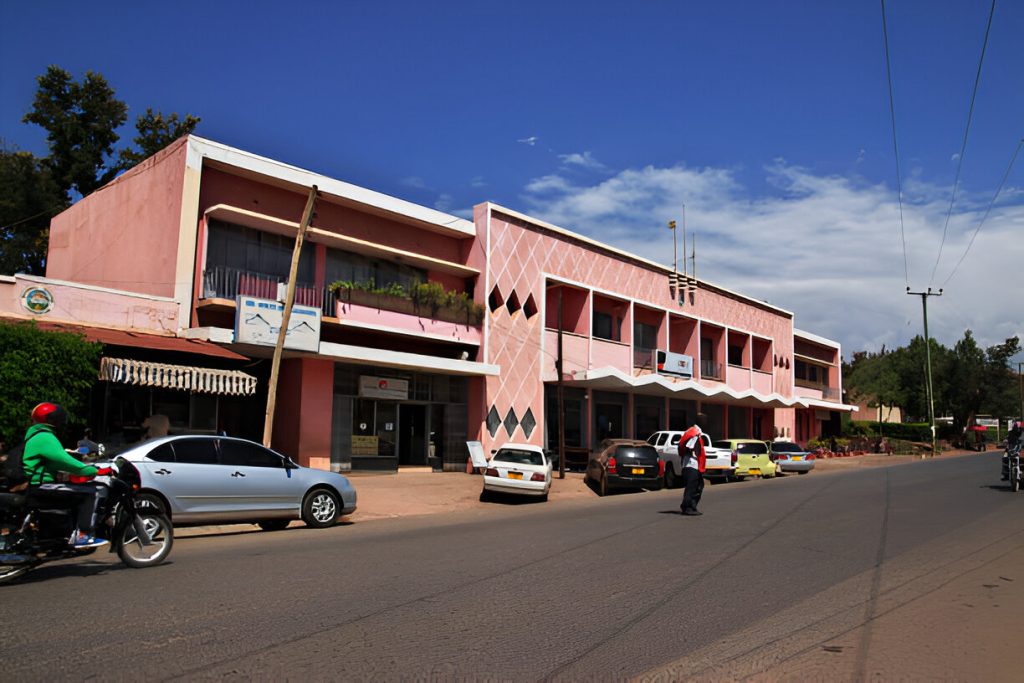
Think of Arusha not just as a city, but as the launchpad for your adventure. Most Northern Circuit safaris begin and end here. It’s where you’ll meet your guide and get your first true sense of anticipation. While it’s a busy hub, its location is strategically perfect. It sits within a few hours’ drive of Arusha National Park, Tarangire, and the Ngorongoro Conservation Area. For many itineraries, spending a night here pre- or post-safari is a smart logistical move. It’s the practical, bustling heart from which the wild, quiet soul of the parks unfolds.
Planning is where the dream becomes real. Start by defining your non-negotiables: the season, your must-see parks, your budget, and your travel style. Then, research operators thoroughly. Read reviews and ask detailed questions. Be clear on what’s included in the quote. A great itinerary has balance—mix the vastness of the Serengeti with the concentration of Ngorongoro. Consider adding time in Zanzibar for beach relaxation after the bush. Book well in advance, especially for peak seasons. Finally, with an understanding of Tanzania safari types, pack your sense of wonder, your patience, and your respect for the wild. The adventure of a lifetime awaits.