
The air at dawn is cool, smelling of dew-dusted grass and the earthy promise of a day on the plains. On a 14 day Tanzania safari, you’re wrapped in a blanket, sipping coffee, listening to the morning chorus of birds you can’t yet name. In the distance, a dark line resolves into a herd of wildebeest, moving with a slow, ancient purpose. This is your first morning of a 14 day Tanzania safari, a journey of scale and intimacy that can feel overwhelming to plan. But with honest information, it becomes not just a dream, but a beautifully real itinerary. Let’s talk about what that really means—the logistics, the ethics, the wildlife, and the quiet confidence of knowing you’ve planned it right.
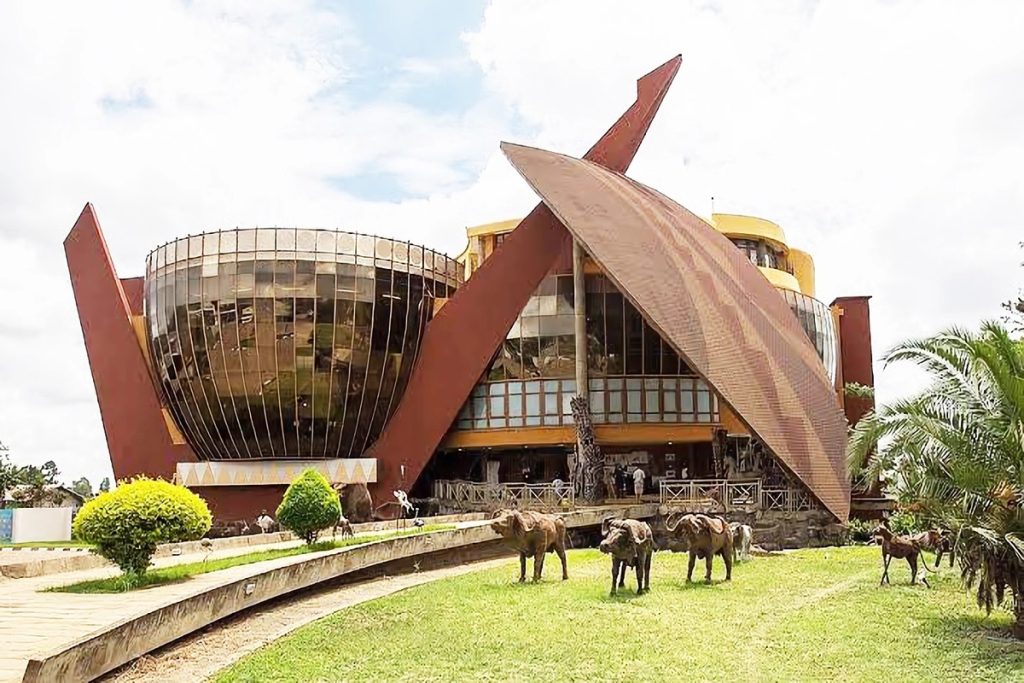
Most 14 day Tanzania safaris begin and end in Arusha, and there’s a crucial reason why. This isn’t just a transit hub; it’s the strategic heart of northern Tanzania’s safari circuit. Arriving at Kilimanjaro International Airport, you’re only a short transfer from the quiet, leafy streets of Arusha town. From here, your 4×4 safari vehicle will become your second home. The drive to Tarangire National Park, famous for its elephant families and ancient baobab trees, is just a few hours. To the gate of the Ngorongoro Conservation Area, where you’ll first glimpse the volcanic crater that feels like a world unto itself, it’s a scenic half-day journey. And reaching the vast plains of the Serengeti, the stage for the Great Migration, requires a full but breathtaking day of travel—a journey that itself is a safari, with Maasai villages and golden landscapes unfolding outside your window. Arusha is your gateway, your decompression zone before and after the wilderness, and the logical home base for the multi-park adventure that defines a comprehensive Tanzania safari.
You’ll hear talk of the “Big Five” and the Great Migration, and yes, on a 14 day circuit covering northern Tanzania’s national parks and conservation areas, your chances of seeing extraordinary wildlife are exceptionally high. But wildlife is, beautifully, unpredictable. We don’t chase guarantees; we maximize opportunity. Over two weeks, you’ll move through dramatically different ecosystems. In Tarangire, you’ll watch for massive herds of elephants and rare kudu silhouetted against baobabs. On the Serengeti plains, the migration is a fluid, seasonal phenomenon—a cycle, not a single event. Your timing dictates whether you witness the dramatic river crossings in the north or the vast, calving herds on the southern plains. In the Ngorongoro Crater, the enclosed ecosystem makes sightings of rhino, lion, and flamingo on the soda lake wonderfully probable, but never scripted. Your guide’s expertise is your greatest asset, reading tracks and animal behavior to turn probabilities into profound, personal encounters with nature on its own terms. For travelers seeking a true extended Tanzania safari itinerary, this variety is an essential highlight.
When you see a “starting at” price for a 14 day safari, it’s essential to know what that number includes and what it quietly leaves out. The tier between roughly $4,500 and $7,000+ largely defines the mid-range to luxury experience. On a well-planned itinerary, that investment should cover all your accommodation for 13 nights, all meals during the safari, national park fees and crater service charges (which are significant), and the private use of a 4×4 safari jeep with a dedicated, certified guide. What it often excludes are international flights, travel insurance, tips for your guide and camp staff, visas, and premium drinks. The difference between a mid-range and luxury price often lies in the lodges: a comfortable tented camp with en-suite bathrooms versus a five-star permanent lodge with a pool overlooking the savannah. Knowing this breakdown lets you compare operators not just on price, but on real value. A comprehensive Tanzania safari should always offer transparency in its pricing and inclusions.
Your safety is paramount, and a premium safari operator builds it into every detail. Health-wise, a yellow fever vaccination is a standard entry requirement for Tanzania, and malaria prophylaxis is highly recommended—your doctor can advise on the best option for you. In your vehicle, safety is structural. Your safari 4×4 should be a purpose-built Land Cruiser or similar, with pop-up roofs for viewing, reliable radio communication for emergencies, and a first-aid kit on board. A seasoned guide is your ultimate safety asset, trained in advanced first aid, animal behavior, and navigating the terrain. They know when to stay, when to move, and how to ensure your experience is not only thrilling but secure. Trust in that expertise is the bedrock of a calm, confident journey on your 2-week Tanzania safari.
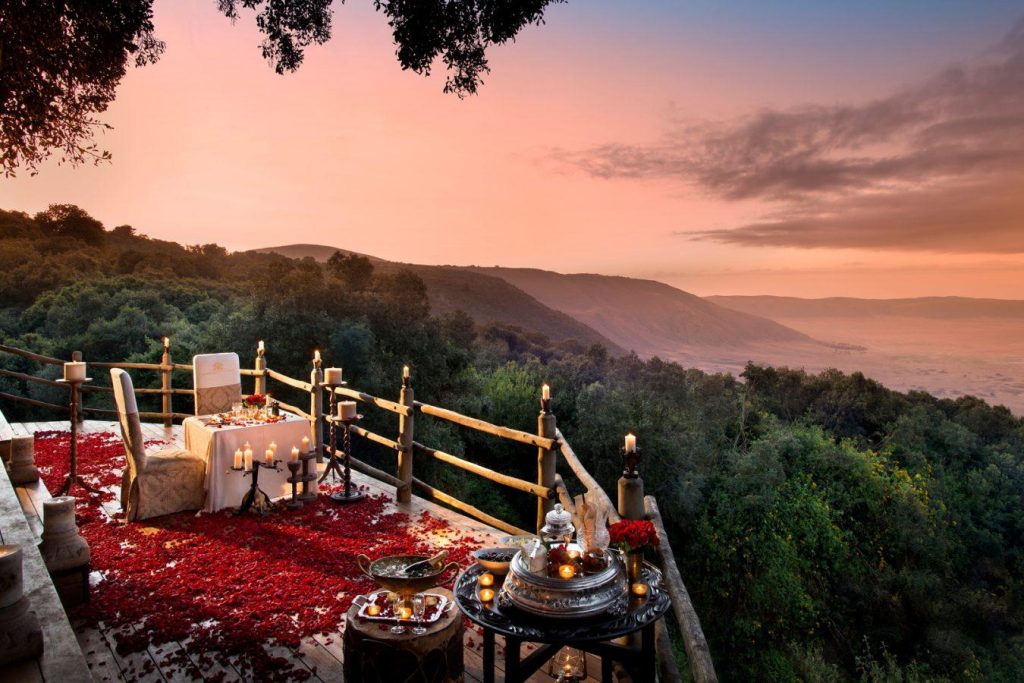
Fourteen days is a golden duration—long enough to move beyond a rushed checklist and into the rhythm of the wild. A classic, well-paced northern circuit gives you time to breathe. You might spend your first nights in Tarangire and Lake Manyara, acclimating to the game-drive routine. Then, you journey into the Serengeti for three or four nights, allowing for explorations of different regions of the park, chasing the migration’s pulse. A night or two on the rim of the Ngorongoro Crater prepares you for a full, spectacular descent into the crater floor. This pace prevents “safari fatigue,” giving you afternoons to relax at your lodge, process the morning’s lion sighting, or simply watch the light change over the acacia trees. It’s a journey, not a sprint. Opting for a comprehensive Tanzania safari lets you truly appreciate every stage.
If you’re embarking on this adventure alone or with a partner, you have unique opportunities. While a private 4×4 offers ultimate flexibility, it comes at a premium for solo travelers. Many operators, however, can arrange for you to join a small, shared group for the safari portion, dramatically reducing the per-person cost while maintaining the experience. This is a fantastic way to meet like-minded travelers. For couples, the intimacy of a private vehicle is often worth the investment, allowing your guide to tailor drives to your specific interests—perhaps spending extra time with a herd of elephants or seeking out elusive leopards. Communicate your preferences clearly when booking; a good operator will present all your options honestly, without pressuring you toward the most expensive one.

There is a profound difference between being in a packed minibus and having a private 4×4. Your vehicle is your mobile observation deck, your classroom, and your sanctuary. With a private jeep, you decide the pace. If a cheetah family is grooming in the morning sun, you can stay and watch the entire scene unfold. If you want to skip the midday drive and enjoy the lodge pool, you can. Your guide works directly for you, sharing deeper knowledge and following wildlife leads based on your curiosity. The roof pops up so you can stand safely for panoramic views and photography. This private space becomes essential over two weeks, offering comfort, flexibility, and a personalized connection to the landscape that defines a premium 2-week Tanzania safari.
There is no single “best” time for a 14 day safari, only the best time for what you most want to see. The dry seasons, roughly from late June to October and again from December to March, offer classic safari conditions: thinner vegetation makes animals easier to spot, and they congregate around reliable water sources. This is prime time for predator action in the Serengeti and Ndutu. The green or “emerald” season, from April to May, brings lush landscapes, dramatic skies, and fewer visitors, though some roads can be challenging and the migration is dispersed. Your choice depends on your tolerance for rain, your desire for solitude, and your specific wildlife priorities. A good operator will help you match the season to your dream extended Tanzania safari itinerary.

Many 14 day itineraries brilliantly combine the terrestrial majesty of the safari with the marine bliss of Zanzibar. This isn’t just an add-on; it’s a perfect counterpoint. After the dust and grandeur of the savannah, a short flight from Arusha lands you in Stone Town, a UNESCO World Heritage site of winding alleys and aromatic spice markets. From there, you transfer to the island’s idyllic beaches for a few days of rest. You can snorkel in turquoise waters, visit a spice plantation, or simply unwind with the sound of the Indian Ocean. This combination offers a complete Tanzanian experience—the wild heart and the coastal soul—within a single, seamless trip. It refreshes the spirit before your journey home and creates the fullest expression of a comprehensive Tanzania safari.
“`