Your Simple Guide to Managing Uhuru Peak Altitude Sickness Safely

uhuru peak altitude sickness symptoms

Introduction

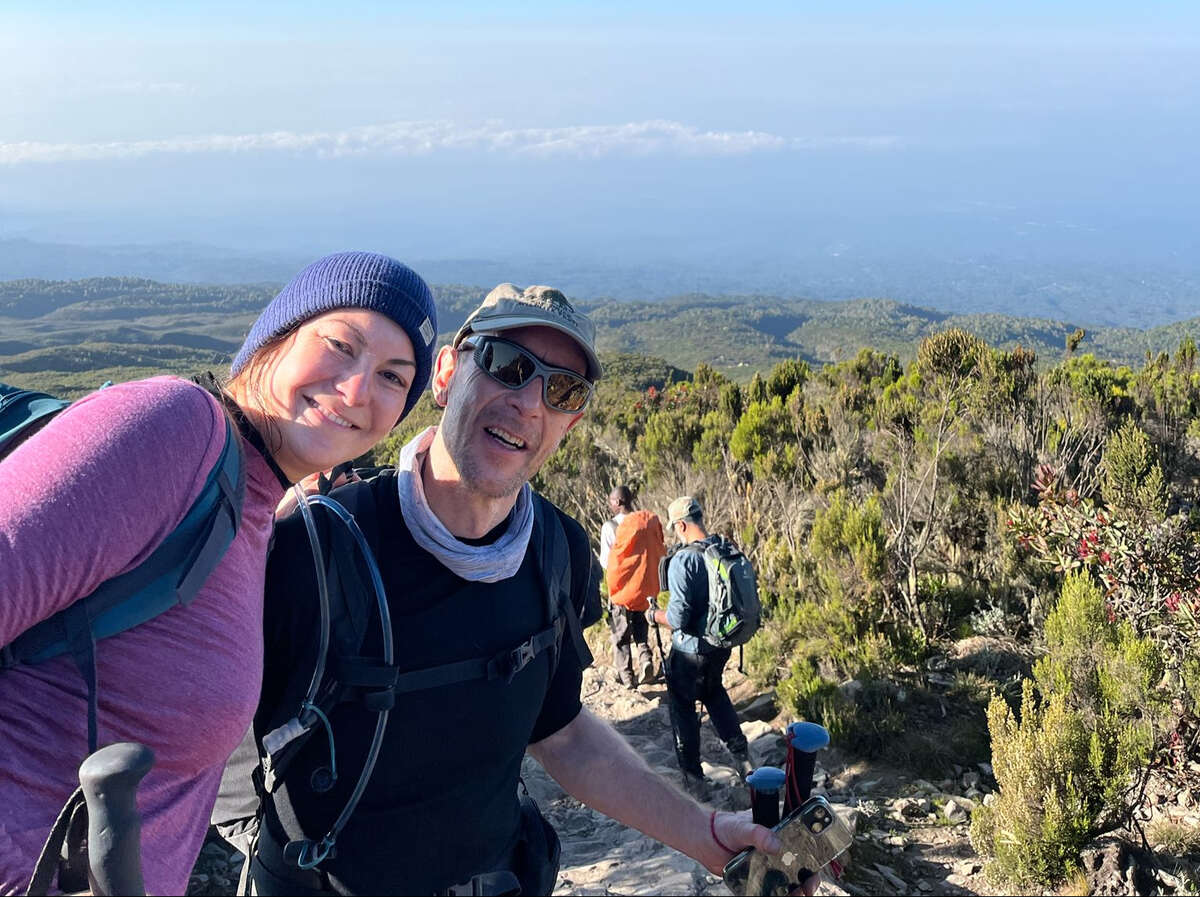
Are you dreaming about reaching the top of Mount Kilimanjaro, known as Uhuru Peak? It’s a big adventure, but many climbers worry about the unknown, especially uhuru peak altitude sickness symptoms. This can make the climb tough, causing headaches, nausea, and sometimes more serious problems. But don’t worry! With the right steps, you can enjoy your climb and stay safe. In fact, by taking the time to acclimatize properly, your chances of reaching the summit can jump by 20-30%! Let’s dive into what you need to know to tackle this beautiful mountain confidently.

Understanding Altitude Sickness

uhuru peak altitude sickness symptoms

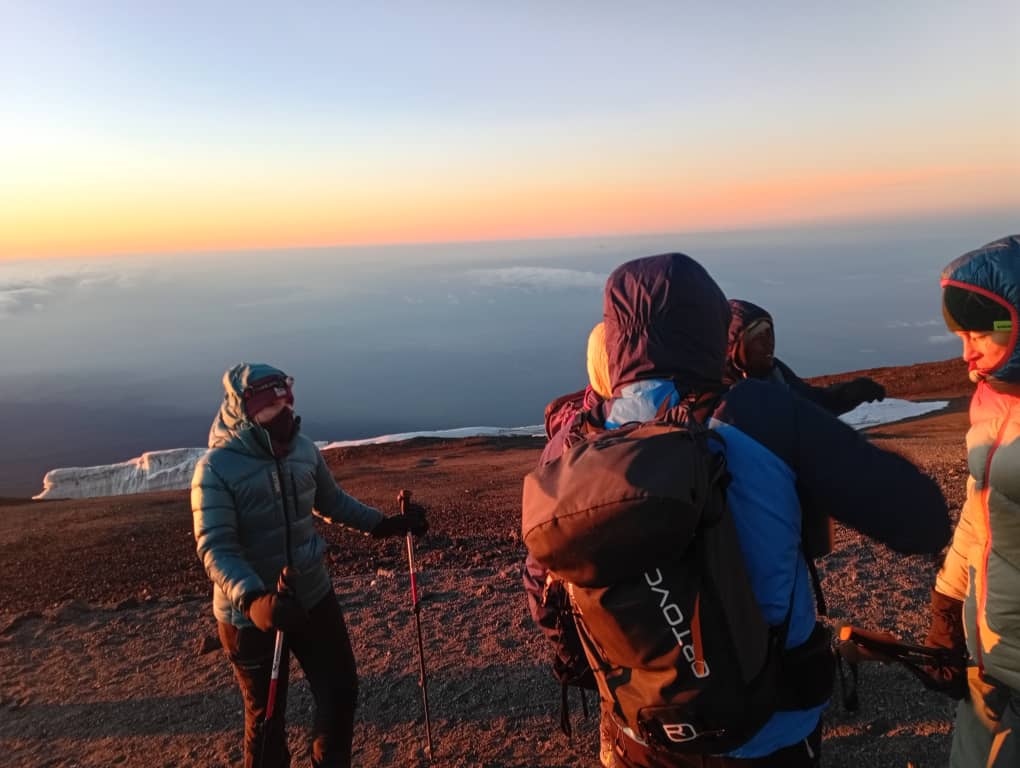
Altitude sickness happens when you climb to high places where the air is thin. For Mount Kilimanjaro, this starts being an issue above 2,500 meters. The higher you go, the less oxygen is available. On Kilimanjaro, about 75% of climbers feel some effects. Don’t fret, though. Severe problems are rare, and with the right guidance, you’ll be in good hands.

Symptoms to Watch Out For

Pay attention to early signs like subtle headaches and fatigue. These can be your body’s way of saying to slow down. If you start to feel more like you’re hungover—with nausea or dizziness—you might have mild altitude sickness. Remember, more severe signs like confusion or vomiting require quick action to get you to lower grounds where there’s more oxygen.

Prevention is Key

mount kilimanjaro height in feet and meters

Prevention starts with choosing the right route. Longer routes like the 8-day Lemosho give your body time to adjust, increasing your success rate. And while trekking, go “pole pole” – Swahili for “slowly slowly.” Drink 3-4 liters of water a day, snack on carbs for energy, and steer clear of alcohol. Before your trip, ask your doctor about Diamox, a medicine that can help.

Knowing When to Descend

If you feel unwell with mild symptoms, take a rest, and try ginger or ibuprofen. But for severe signs like confusion or shortness of breath, descend immediately to avoid complications. Guides will always keep a watchful eye and have plans to get you down safely if needed.


Stay Aware of Other Risks

Besides altitude sickness, watch for other issues like dehydration or even feeling too cold, as they can feel similar to altitude sickness. Keep yourself warm, and make sure you’re sipping water often. Your guides will help monitor these things as well during your climb.


In a nutshell…

Traveling up Kilimanjaro is a journey you’ll never forget. Keep in mind the first signs of altitude sickness and trust your guides to keep you safe. For the best chances of a successful summit, be prepared and consider a longer route like Lemosho. Ready to plan your visit? Feel free to reach out to us for more tips and guidance! Contact us here.


FAQs

Q: How bad is altitude sickness on Kilimanjaro?
A: It is common, but mostly mild. Severe cases are rare.
Q: What are the first signs of altitude sickness?
A: They include headaches and tiredness early on.
Q: Can you die from altitude sickness on Kilimanjaro?
A: It’s very rare, thanks to guides and monitoring.
Q: How long to climb Kilimanjaro to avoid altitude sickness?
A: Choose a longer route like the 8-day Lemosho.
Q: Does Diamox prevent altitude sickness on Kilimanjaro?
A: It can help. Check with your doctor before your trip.
Q: What is the best route for Kilimanjaro acclimatization?
A: The 8-day Lemosho route is great for acclimatizing.
Q: How much water to drink on Kilimanjaro?
A: Aim for 3-4 liters each day to stay hydrated.
Q: When to descend for altitude sickness symptoms?
A: If you experience severe symptoms like confusion or vomiting.
Q: Is altitude sickness worse on shorter Kilimanjaro routes?
A: Yes, shorter routes don’t allow time to acclimatize.
Q: What meds treat mild altitude sickness on Kilimanjaro?
A: Mild cases can be eased with ibuprofen or ginger.

“`