
Your simple guide to spotting leopards in Tanzania starts with the real adventure: you’re bouncing gently along a dusty track in the Serengeti, the sun still low and honey-colored. Your guide slows the Land Cruiser to a crawl, scanning the branches of a gnarled acacia tree with a quiet intensity. In these hushed, expectant moments—searching for that dappled shadow that might be more than a shadow—the magic of chasing Tanzania’s most elusive cat begins. Let’s talk about what that chase is truly like. Forget the brochures; this is the real, grounded, and deeply rewarding hunt for the leopard, from the open plains to the tangled mystery of Zanzibar’s forests.
The leopard is the master of ‘almost.’ You almost saw it—that flicker of movement in the dappled shade. It’s almost a ghost, a rumor painted in gold and black. Unlike the lion’s social pride or the elephant’s gentle procession, the leopard is a solitary artist of stealth. Its power isn’t in a roar you hear a mile away, but in the profound silence of its presence just meters from your vehicle, utterly aware yet completely unconcerned. This allure—the challenge of the sighting—is what draws us. It’s not about checking a box on a list; it’s about sharing a secret with the wilderness. On a good day, you might see one draped languidly over a branch, a picture of feline perfection. On a great day, you’ll witness the raw, fluid power as it melts into the tall grass, vanishing as if it were never there at all. That’s the reality: a gift, never a guarantee.

Your search might lead you down a curious path to the ‘Zanzibar leopard.’ Online, it’s often described as a rare, local subspecies. The reality, according to conservation bodies and local experts, is a tapestry of folklore and fragile possibility. Historically reported in Zanzibar’s forests, this population was driven to perceived extinction due to conflict and habitat loss. For decades, it was considered gone. Then came tantalizing, unverified reports—a shadow in a camera trap, a story from a village elder. The truth today is that its status is critically uncertain. There is no confirmed, documented population. Visiting Zanzibar now means exploring spice plantations and white-sand beaches, not embarking on a Tanzania leopard safari. It’s a poignant reminder of conservation’s delicate balance, a ghost story that underscores why ethical, sustainable tourism on the mainland matters so deeply.
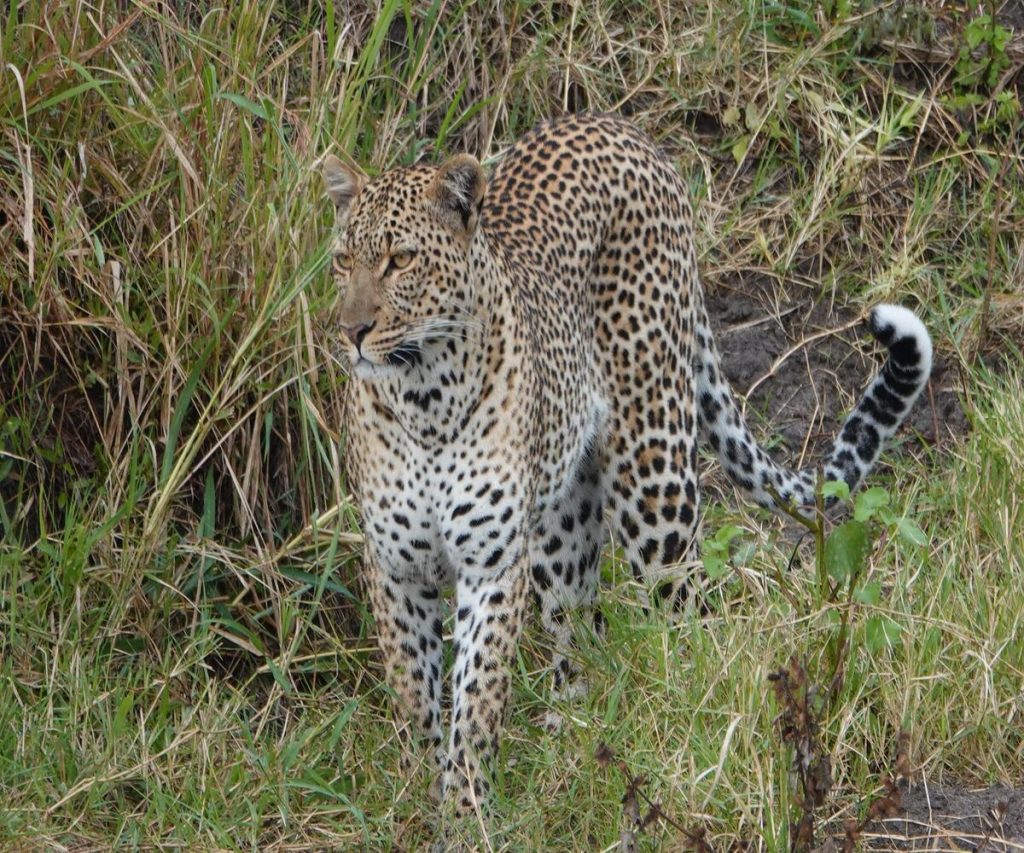
So, where do you find the living, breathing leopards? While they have a vast range, your odds are best in specific, renowned territories. The central Serengeti, particularly the Seronera River Valley, is the undisputed champion for leopard sightings in Tanzania. It’s not a zoo enclosure; it’s a vast ecosystem where the confluence of riverine forests, kopjes (rocky outcrops), and plains supports a high density of prey—and predators. Think of it as their grand metropolis. But don’t overlook other ‘neighborhoods.’ The Ngorongoro Conservation Area offers dramatic backdrops, though sightings can be less frequent than in the Serengeti. Tarangire National Park, with its ancient baobabs, provides another excellent stage for leopard activity. The key is habitat: wherever there are trees for refuge, vantage points, and a steady food supply, a leopard could be watching. A well-planned itinerary moving between these parks maximizes your chances across different landscapes and gives you a true Tanzania leopard safari experience.
In the leopard’s world, time dictates behavior. There are two primary clocks to watch: the seasonal and the daily. The dry seasons (roughly June to October and January to February) are golden hours for wildlife viewing. As water sources diminish, animals congregate around what remains, and the sparse vegetation offers fewer places to hide. Your guide can scan farther and clearer. This is when the central Serengeti truly shines for leopard sightings in Tanzania. Now, within any given day, set your alarm for the crepuscular hours: dawn and dusk. Leopards are most active in the cooler, low-light periods. A morning game drive that starts at first light isn’t just for beautiful photos; it’s when the bush is stirring, and a leopard might be returning from a hunt or seeking a daytime resting place. The midday lull is real; use it for lunch and a siesta, not for expecting action.
What does a realistic leopard sighting look like? Rarely is it a Hollywood pose on a bare limb. More often, it’s a game of patterns. Your guide isn’t just driving; they’re reading the bush. They’ll scan for the distinctive shape of a long tail dangling from a branch, for the telltale ‘flush’ of birds signaling a hidden predator, or for a shadow that seems too solid in the crook of a tree. Your first glimpse might be a glimpse indeed: a spotted flank half-hidden by leaves, a yawn in the shadows. The magic unfolds with patience. The vehicle will stop, engine off. In the silence, you watch. You might see it shift, blink, or simply ignore you with regal indifference. This intimate, quiet observation—not a frantic chase—is the heart of a genuine Tanzania leopard safari encounter.
This intimacy comes with profound responsibility. Ethical viewing isn’t a suggestion; it’s the foundation of sustainable tourism and your safety. Reputable guides adhere to strict park rules: they will never off-road to get closer, never corral or harass an animal, and always maintain a respectful minimum distance. Your vehicle is a blind; sudden movements or standing up can spook wildlife. Listen to your guide’s instructions—they’re for the animal’s welfare and yours. The thrill comes from witnessing natural behavior, not from provoking a reaction. Choosing an operator committed to these principles ensures your experience doesn’t come at the cost of the animal’s stress or the environment’s degradation. It’s how we ensure Serengeti leopards remain masters of their domain for generations to come.
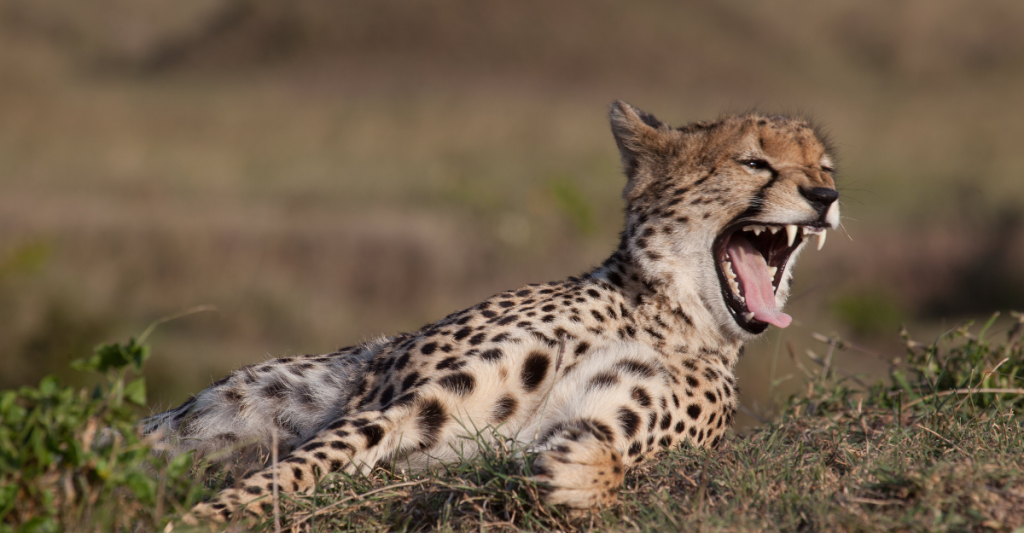
While the leopard is a star, focusing solely on a ‘Big Five’ checklist can blind you to the full, breathtaking narrative. Your safari day is a sweeping epic. It’s the thunder of a wildebeest herd during the Great Migration, the precise dance of a secretary bird hunting snakes, the hilarious waddle of a dung beetle. The leopard sighting is a brilliant, unforgettable chapter in that story, not the entire book. When you relax into the rhythm of the drive—the stops for a soaring eagle, the identification of tracks in the mud, the coffee break with a panoramic view—the pressure lifts. The leopard becomes a wonderful possibility among many wonders. This mindset transforms your trip from a targeted hunt into a deep immersion, where