
Picture this: it’s early morning in the Serengeti, and a cool mist hangs over a sea of grass that stretches to the horizon. As you begin your first great migration safari, you hear it—a deep, resonant hum that’s not the engine of your vehicle. It’s the sound of a million wildebeest on the move. Your journey starts not with a roar, but with this quiet, earth-shaking rumble of life. The trip is defined by patience, scale, and profound moments. Planning a Serengeti migration safari does not have to feel overwhelming. As your guide, I’ll walk you through what it’s truly like, from the practicalities of Arusha to the ethics of watching a river crossing, so you can step onto that savanna with confidence.
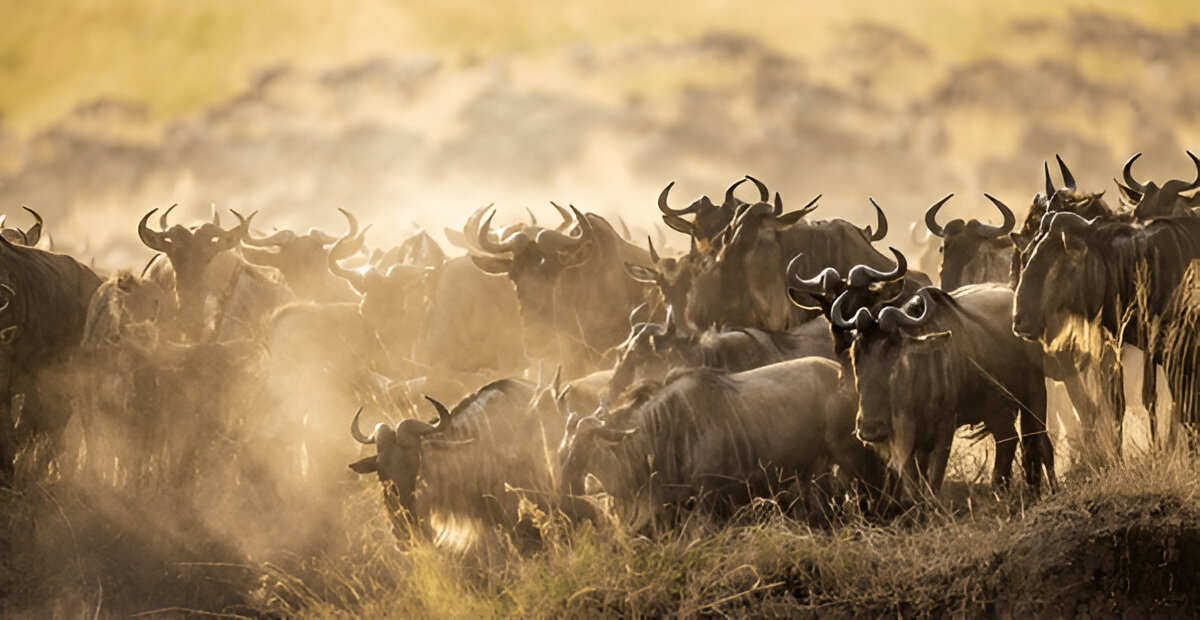
Forget a single dramatic stampede—the annual migration Tanzania is a slow, circular journey of life. Over a million wildebeest, joined by hundreds of thousands of zebras and gazelles, chase the rains across the Serengeti-Maasai Mara ecosystem. The drama shifts with the seasons. From January to March, the herds gather on the southern Serengeti’s short-grass plains for calving season. It’s a vulnerable, tender time, with predators drawn to the young. By June, they’re moving north, and the famed Mara River crossings can happen, typically peaking from July to October. But remember, wildlife is wild. The herds follow unpredictable rain patterns, so while those are likely windows, nature doesn’t check a calendar. Your experience is about tuning into that rhythm, not chasing a pinpoint on a map.
The beauty of a Serengeti migration safari is that it can be tailored to you. Photographers cherish long, patient game drives at dawn and dusk, often in specialized vehicles with pop-up roofs. Families may prefer a shorter, more comfortable schedule and a lodge with a swimming pool and family suites. If you crave quiet luxury, there are exclusive mobile camps that move with the wildebeest migration Tanzania, offering immersion without crowds. Travelers on a budget can join a scheduled group safari, finding camaraderie and value. Your choice determines the trip’s feel—whether that’s exclusivity, comfort, adventure, or community. The key is honesty about your priorities: is it endless photography hours, absolute comfort, or perhaps minimizing your footprint?
Let’s talk frankly about budgets. A great migration safari is a significant investment, and prices vary widely based on three things: the season, the level of luxury, and the length of your trip. A 7-10 day premium itinerary, focused on the wildebeest migration Tanzania, often includes private guides, stays in high-end lodges or luxury tented camps, and all internal flights. These are typically all-inclusive, covering park fees, all meals, drinks, and game drives. Costs not included are almost always your international flights, visas, and gratuities for guides and camp staff. While specific numbers fluctuate, understanding this structure helps you compare operators apples-to-apples and see where your money goes—toward conservation fees, quality guiding, and your comfort under the African stars.
Choosing your month shapes your entire story. January-March (Calving Season): The southern Serengeti is lush and green. You’ll witness newborn calves and intense predator action. It’s a time of birth and survival, with fewer crowds than the northern peak. June-July (The Journey North): The herds are on the move through the Seronera region, offering spectacular, dispersed wildlife viewing. Game drives are dynamic, following columns of animals. August-October (River Crossings & Peak Season): This is the iconic, busiest period in the northern Serengeti and Maasai Mara. River crossings are possible, but never guaranteed. Vehicles can cluster at crossing points, and premium lodges book far in advance. November-December (The Return South): The short rains begin, scattering the herds. It’s a transitional, quieter, and beautifully green time, perfect for travelers who prefer spontaneity over chasing mega-herds.
Feeling safe and prepared lets you fully immerse yourself. Health-wise, a yellow fever vaccination is required for entry, and antimalarial medication is highly recommended. Travel insurance that covers medical evacuation is not optional—it’s essential. On the ground, safety comes from respecting your guide’s expertise and the park rules: always stay inside the vehicle unless at a designated spot. Premium safaris generally use 4×4 Land Cruisers with pop-up roofs, designed for comfort and optimal viewing. The roads may be rough and dusty—this is part of the adventure. Pack a bandana and embrace the ride. Your guide is your lifeline; their knowledge of the land and animal behavior is your greatest safety feature.
A truly great safari leaves the land and its people better than it found them. Seek operators who are transparent about their practices. Responsible ones treat drivers, guides, and staff with fairness, providing proper salaries and benefits. Many contribute directly to conservation through park fees and support community projects like schools or clinics near the Serengeti. You’ll often see this in their itineraries—do they include visits to genuine community-run initiatives? At a river crossing, do they instruct guides to maintain respectful distance from the animals, never crowding or pressuring them to cross? Your choice directly backs a model of tourism that protects the annual migration Tanzania for generations to come.
Almost every Tanzanian safari begins and ends in Arusha. It’s more than a transit point; it’s your logistical basecamp. You’ll likely spend one night here upon arrival—recover from your long flight, meet your guide for a thorough briefing, and do a final gear check. Quality operators use this pause to set expectations and handle last-minute questions. From Arusha, you’ll typically drive or take a charter flight into the Serengeti ecosystem. The drive offers a gradual introduction to the Tanzanian landscape, while the flight saves time and provides a stunning aerial perspective. Think of Arusha as your calm before the storm of wonder—a place to acclimate, breathe, and get ready for your Serengeti migration safari.
The key to safari packing is layers and neutrality. You’ll face cool mornings, hot midday sun, and cool evenings. Pack light, breathable clothes in khaki, green, or brown—avoid bright blues, whites, or blacks, as they can attract insects or spook animals. A sun hat, high-SPF sunscreen, and polarized sunglasses are non-negotiable. For photography, bring more memory cards and batteries than you expect to use; you’ll shoot constantly. A good pair of binoculars pays off. Leave fancy jewelry and hard-sided suitcases at home; soft-sided duffels fit better in safari vehicles. Remember, many premium camps offer daily laundry services, so you can pack light and re-wear items during your wildebeest migration Tanzania adventure.
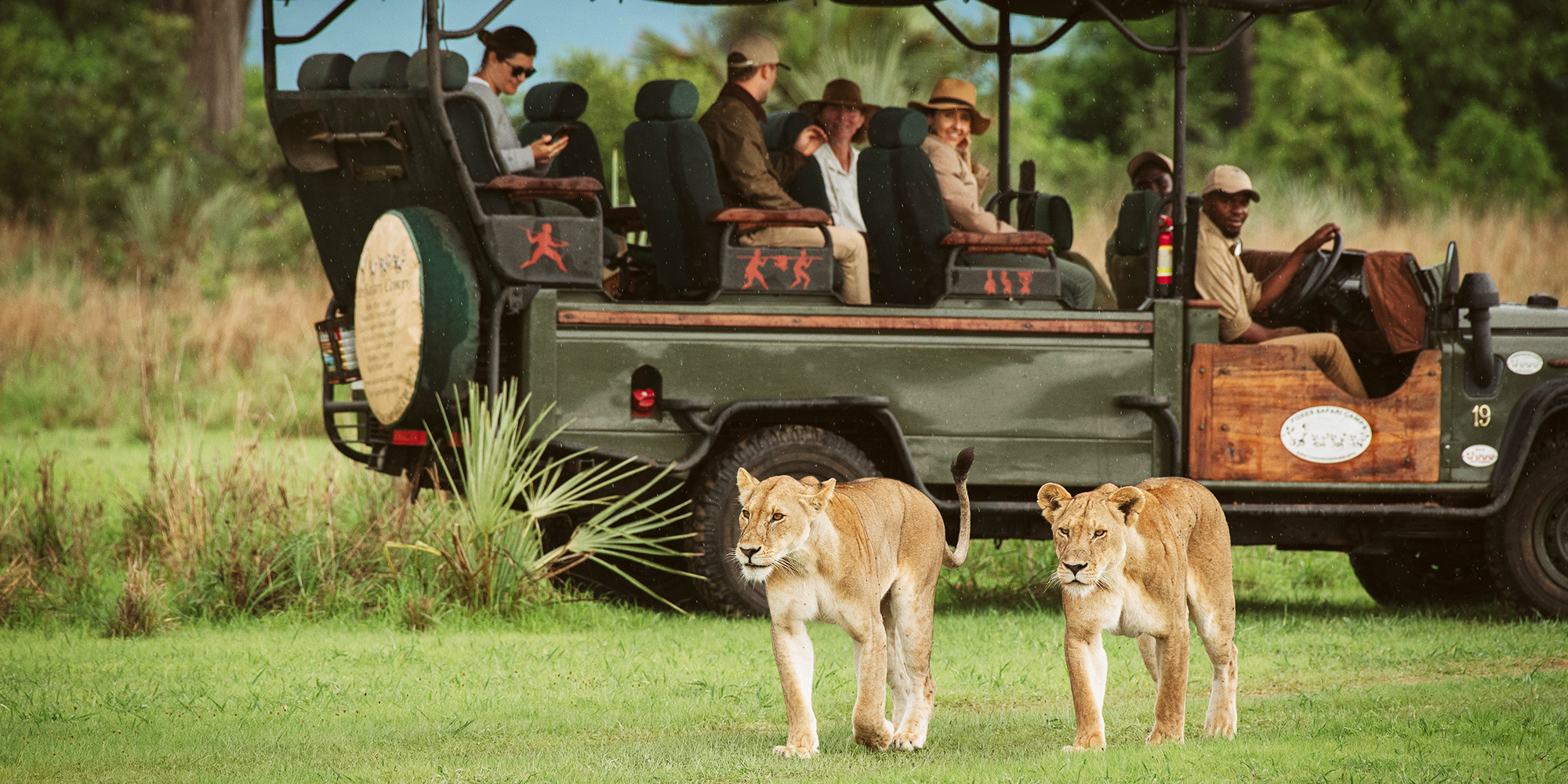
With many companies offering “the ultimate” great migration safari, how do you choose? Look beyond glossy photos. A trustworthy operator’s website will clearly detail itineraries, list inclusions and exclusions transparently, and highlight training and ethical policies. Check for genuine, unedited reviews on third-party sites. Do they promise “guaranteed” crossings or Big Five sightings? That’s a red flag—no ethical guide can control nature. Instead, they should describe maximizing your chances through expert guides and strategic camp locations. Responsiveness to your detailed questions is a great indicator. The right partner doesn’t just sell a trip; they help you plan an experience grounded in reality and respect for the annual migration Tanzania.
If you’re dreaming of an epic great migration safari in 2026, now is the perfect time to start planning. For peak season (June-October), the best lodges and camps in prime locations are often booked 12 to 18 months in advance. Starting research now gives you the widest choice and your best chance to secure coveted spots overlooking the Mara River or the calving plains. Early booking may also provide access to “early bird” offers from some operators. Use this long lead time to your advantage: schedule vaccinations, look into flight options, and have thoughtful conversations with potential guides. This once-in-a-lifetime journey deserves the gift of time—the first, and perhaps most calming, step you can take toward your Serengeti migration safari.