
Picture this: It’s dawn in the Serengeti, and the air is cool enough to make you grateful for your fleece. If you’re planning your Tanzania safari & Zanzibar trip, imagine yourself in an open-sided Land Cruiser, hands warming around coffee as the sun sets the endless grass ablaze. A hyena slips silently across the track, and a family of elephants plume through the gold in the distance. This is the moment. It isn’t a guaranteed show—the lion pride might be hidden, the wildebeest river-crossing could be a day away—but it’s heartbreakingly real. Planning your first safari and beach holiday Tanzania experience is about creating space for these unscripted wonders. My aim isn’t to sell you a fantasy, but to help you find the genuine adventure, with honest expectations and a plan that lets the magic meet you halfway.
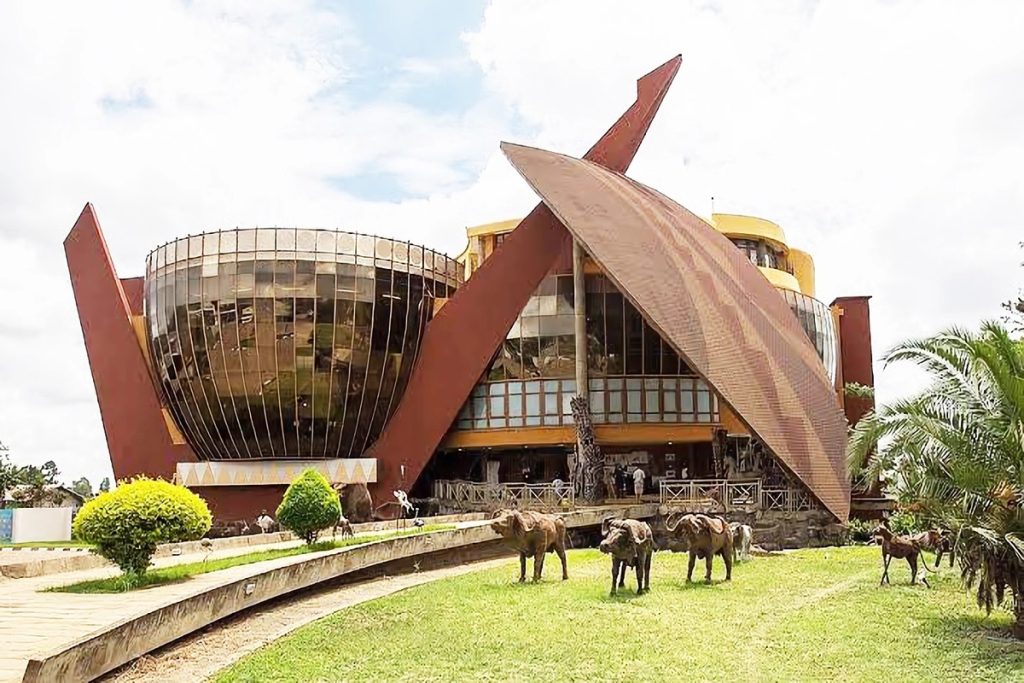
Nearly every northern circuit safari and Zanzibar safari package begins in Arusha, a single bustling hub. You won’t land in the Serengeti—you’ll arrive at Kilimanjaro International Airport (JRO), about an hour from Arusha by road. Think of Arusha as your expedition’s launchpad, not a final stop—a lively, practical base for meeting your guide, your pre-safari briefing, and for shaking off travel fatigue. Its real strength is its location, nestled perfectly between the major parks and the main airport. From here, start your overland journey to Tarangire or the Ngorongoro highlands, or, after your safari, hop a quick one-hour flight to the spice-scented breezes of Zanzibar. This makes Arusha the vital link that lets you experience both the Tanzania bush and beach in one seamless adventure.
You will spot packages advertised “from $2,173” or “from $2,574,” with daily rates from $150 to $400 per person. The first rule: look beyond the “from.” These entry prices usually only cover the most basic camping trip in low season. The second rule: understand what these daily rates actually include. A $150/day safari may mean larger groups, older closed-vehicle minibuses, and public campsites with shared facilities. For $400/day, you enter a different realm—smaller groups, private open-sided Land Cruisers with guaranteed window seats, stylish lodges or luxury tented camps with en-suite baths, and experienced guides. Critically, many “from” prices exclude essentials: international flights, visas (about $100 for most nationalities), comprehensive travel insurance, tips for guides and staff (a key part of their wage), and premium drinks. A genuine all-inclusive safari should cover park fees, accommodation, all meals, bottled water, and game drives—but always check the fine print.
Timing means everything, though not always as you expect. There’s no one “best” time; the best time depends on what experience you want. The dry seasons (June–October and late December–February) have clear skies, and wildlife clusters around water, so animals are easier to find. This is when you might see the drama of the Great Migration river crossings—though sources differ on precise timing as herds follow the rains. The green season (November–May) brings lush landscapes, newborn animals, fewer tourists, and better prices, but also means possible afternoon showers and thicker foliage, making wildlife spotting more challenging. For a safari and beach holiday Tanzania travelers should know: dry seasons offer perfect beach weather, while the green season in Zanzibar is hot, humid, and prone to short but strong rains. Your timing should suit your tolerance for heat, your dream backdrops for photos, your budget, and your hope for a specific wildlife spectacle.
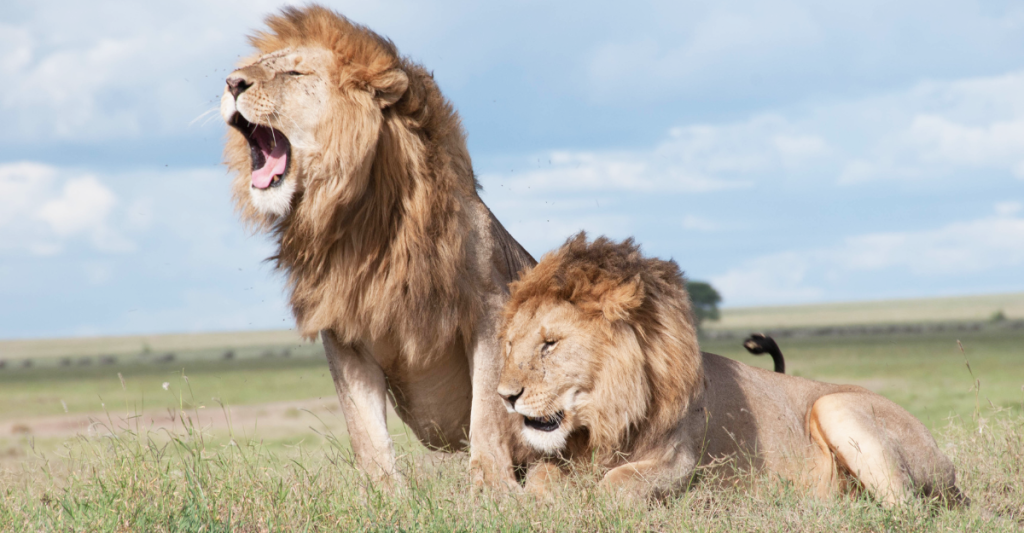
Let’s be honest: a “guaranteed Big Five” sighting is a marketing myth the wild can’t keep. You’re in their world, not a zoo. What a well-crafted plan and skilled guide can do is maximize your chances, depending on where you go. The Serengeti’s vast plains make lion, cheetah, and immense herds of wildebeest and zebra likely—especially during migration. The Ngorongoro Crater is a natural amphitheater dense with rhino (though they’re shy and sightings are never sure), lions, and massive herds of buffalo. Tarangire is famous for dense elephant gatherings, especially in the dry season. In the south, Ruaha provides a wilder, quieter alternative with great predator sightings, though generally at lower densities. Still, the magic is often in the unexpected—a leopard draped over an acacia, a thousand buffalo as a moving tide, a secretary bird’s elegant hunt.
If you travel consciously, how you journey is as important as where you go. Ethical operators put local people and ecosystems first—such as hiring staff from local villages, sourcing food nearby, and supporting community or anti-poaching efforts. While Kilimanjaro porters have prominent advocacy, ethical standards in safari and beach holiday Tanzania operations are often shown by how a company treats staff: fair pay, proper training, waste management, and strict respect for wildlife boundaries. Ask your operator upfront about their conservation and community efforts. Your experience should leave a positive legacy.
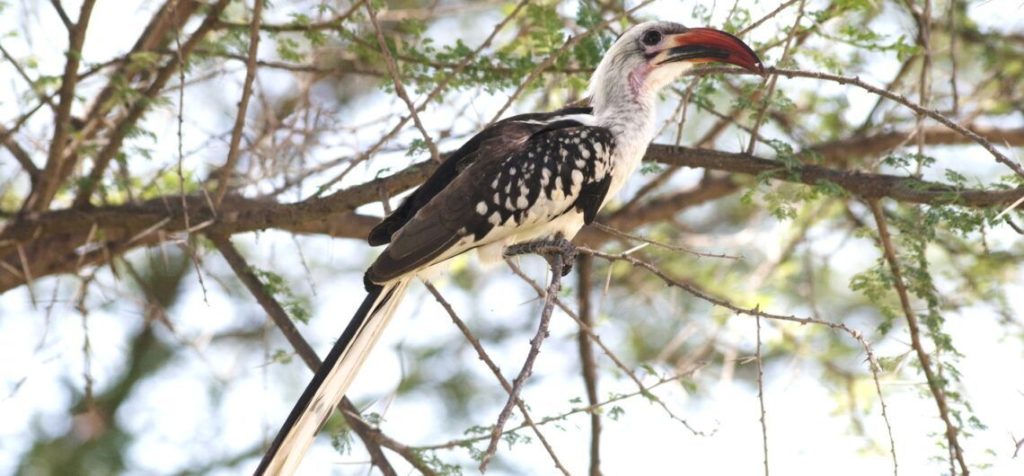
Many classic Tanzania bush and beach trips run 14 days, with 10 for safari and 4 for Zanzibar. An 11-day package often means 7 days in the bush and 4 at the beach. But it’s about more than numbers. Northern parks are wide apart, and the drive is part of the journey. For example, Arusha to the Serengeti gate can be a full day with safari time included. A good itinerary allows for these transfers and avoids packing too many parks into too few days. A timeless route might be: Tarangire (elephants, baobabs), the Ngorongoro Crater (wildlife-rich basin), and 3–4 nights in the Serengeti (for depth and migration). Rushing means more tough roads, less time quietly watching waterholes for nature’s stories to unfold.
There’s no shortage of packing lists, but here’s what stands out. Pack layers: crater rims and early Serengeti mornings are cold, midday is hot. Essentials are a fleece, light down jacket, hat, and buff. Wear comfortable, neutral clothing—avoid dark blue and black (tsetse flies love them) along with bright whites. After your camera, quality binoculars (one per person) are your most vital tool. Bring a headlamp for tented camps. In Zanzibar, modest dress is welcomed outside resorts. Most importantly, pack patience and flexibility. Game drives are real adventures—not theme parks. Sometimes you see awesome drama; sometimes you just soak in the quiet savannah. Both moments are truly safari.
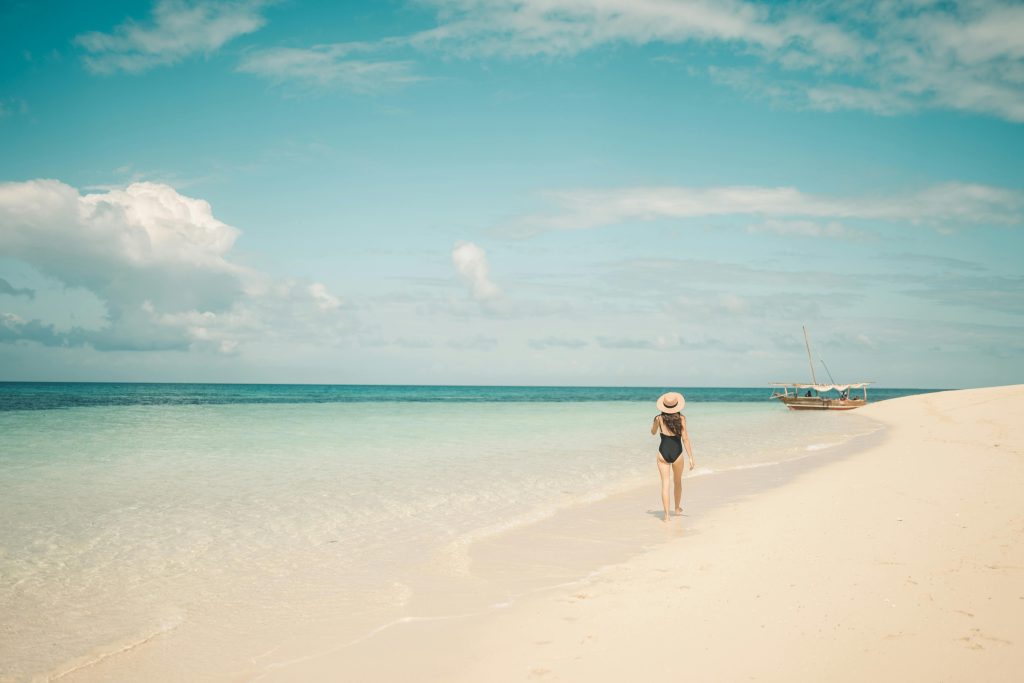
After the dust and drama of the bush, Zanzibar feels like another planet. The air is heavy with humidity, cloves, and salt. This is where you relax and let the trip settle. Zanzibar is more than a beautiful beach. Stone Town, a UNESCO World Heritage Site, is rich in carved doors, lively markets, and its enslaved history and spice trade heritage. Spice tours inland reveal the roots of Zanzibar’s signature scent. The east coast’s beaches, like Paje and Kendwa, have pristine sand and blue water, but tidal swings can be dramatic. You’ll need to adjust—slow down, soak up the warmth, savor seafood, and let the island’s rhythm soothe you after your safari’s intensity. For many, this combination turns a safari and beach holiday Tanzania quest into a complete reset.
Ultimately, your Tanzania safari & Zanzibar trip should reflect your own travel style. Do you crave the raw connection of a mobile camping safari, falling asleep to wild sounds? Maybe you prefer the comfort and hot shower of a fixed lodge after a day in the bush. Would you rather get to know one or two parks well, or sample several? Are you a photographer needing golden hours, or a family needing flexible schedules? Share these wishes with your operator. Top safari companies don’t just sell packages; they listen and tailor the journey. The aim is a Tanzanian safari and beach holiday that feels less like a tour, more like your adventure—with planning that fades behind you, leaving only sky and the next track ahead.
“`