Mount Kilimanjaro Height in Feet and Meters:

A Simple Guide for First-Time Climbers

mount kilimanjaro height in feet and meters

Thinking about climbing Mount Kilimanjaro? Many people from the USA and Europe feel excited but also nervous. They worry about the mountain’s height, the cold, and how to train. They wonder, “Can I really do this?” Mount Kilimanjaro stands at 19,341 feet (5,895 meters) tall. 

That’s like stacking 14 Eiffel Towers! Don’t let fear hold you back. 

This guide breaks it down step by step. We’ll cover how to get ready, what to pack, and how a good guide can help. 

Keep reading – we’ll make it easy.
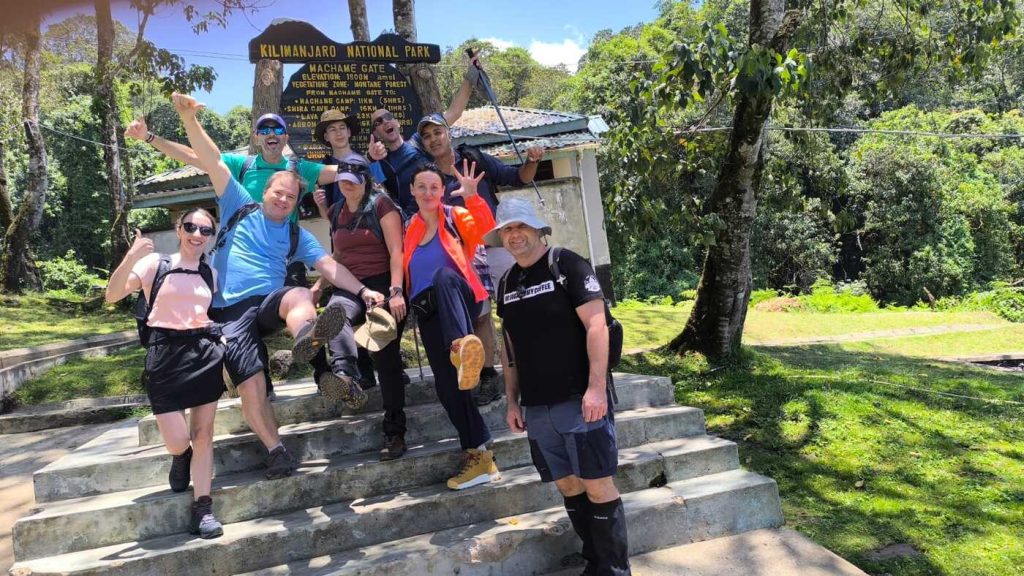
Why Planning Step by Step Matters

mount kilimanjaro height in feet and meters

Planning your climb slowly is like baking a cake. If you rush, things can go wrong. Taking small steps helps you feel calm. You break the big mountain into easy pieces. Learn what each day will feel like. See how guides support you.

This approach reduces worry and builds confidence. Plus, it saves time and money. Who doesn’t want that?

Step 1: Choose the Best Time to Go

Kilimanjaro has warm and dry seasons which make climbing easier. Avoid the rainy season when trails can get muddy. Opt for dates from June to October or January to March. Start planning 6 months ahead. Want sunny photos? January has clear skies. Concerned about crowds? September is quieter. Consider the weather back home too. When do your holidays fall? Match these to find your best dates. Learn more about the best time to climb.

Step 2: Pick the Right Route for You

Kilimanjaro offers several routes, each with its unique features. Some take longer, while others boast better views. The Machame route is popular but steep, whereas the Marangu route has huts for shelter on rainy days. How many days can you spare? A longer trek means less chance of altitude sickness. If you’re unsure, try the Lemosho route. It’s peaceful and safe. Your legs will thank you.

Step 3: Know How Many Days You Need

Climbing too quickly can leave you exhausted. Your body needs time to adjust. Aim for at least 7-8 days if possible. Short trips can be harder. What does a day look like? You’ll hike for only 4-6 hours and then rest. Your guide will remind you to drink water and pace yourself. This helps avoid headaches and sickness. Remember to factor in your flight home too. Adding extra days for relaxation is wise. Trip too short? Opt for a different route. Consider this 10-day trek for a more leisurely pace.

Step 4: Pack the Right Gear and Clothing

Packing light is essential. Bring layers to handle both heat and cold. Start with a warm jacket, thermal hat, and gloves. Don’t forget sunscreen for daytime hikes. For your feet, wear sturdy hiking boots and bring two pairs of socks. Also, pack a headlamp for night walks and rain pants. You can rent heavy gear if you wish. Your tour operator might lend you a sleeping bag. Always test your boots at home. Check with your tour operator about gear rentals.

Step 5: Get Fit and Ready

Being fit doesn’t mean you need to run marathons. Focus on building strong legs over several months. Practice walking uphill near your home. Consider a weekend hike with a backpack. Aim to exercise 3-4 days a week—slow hikes count! Pay attention to your breathing. Walk slowly, like a turtle and not a rabbit. Worried about your fitness? Many climbers over 45 have succeeded. Stay motivated by tracking your progress with photos. Read our guide for more tips on getting fit for Kilimanjaro.

Step 6: Stay Safe on the Mountain

Safety begins with small steps. Altitude sickness can affect some climbers. To prevent it, drink eight glasses of water daily, walk slowly, and breathe deeply. Your guide will check on you every hour. If you start feeling unwell, let your guide know immediately. They are trained to assist. Moreover, keep your head covered from the wind and eat all your meals. Good food fuels your journey. Don’t skip rest breaks. Learn more about preventing altitude sickness.

Step 7: Book Your Tour Operator

Choose a local company that knows the rules and weather. Look for guides who maintain small group sizes. They should have medical kits and oxygen available. Ask questions first: How many staff will accompany you? What food will they provide? Make sure to get clear answers. Costs usually cover park fees, campsites, and meals. Remember, cheaper isn’t always better. Positive reviews are important. Get recommendations from friends or trusted travel clubs. Explore our recommended tours and safaris.

Summing up

Now you know the steps for climbing Mount Kilimanjaro. Start by picking the best dates. Choose a route that fits you. Pack layers and train steadily. Stay hydrated and take your time. Enjoy learning this way? So do we! Ready for a quick chat? Email us pictures of your hiking boots. We’re here to assist with routes, gear lists, and experienced guides. Ask us a question anytime. Let’s plan step by step together!

FAQs

Q: How high is Mount Kilimanjaro?
A: It is 19,341 feet tall – or 5,895 meters.
Q: How many days to climb it?
A: At least 7-8 days to ensure safety and health.
Q: Do I need to be super fit?
A: No! Just in good health. Regular walking helps a lot.
Q: What if I get sick from the height?
A: Your guide will monitor you closely. They know how to help.
Q: Can I pack my own food?
A: The tour cooks meals for you, but feel free to bring snacks.
Q: Which route is best for beginners?
A: Marangu or Lemosho are great options. They are gentler.
Q: Should I buy all the gear?
A: It’s best to rent major items like jackets or sleeping bags.
Q: How cold does it get?
A: At the summit, temperatures can drop to freezing. Wear warm hats.
Q: Are guides necessary?
A: Yes! They lead the way and ensure your safety.
Q: How much training at home?
A: Start training 4-6 months in advance. Walk hills or stairways.


Explore
Things to do
contacts

+255 753 775849

info@lekenadventure.com

Kaloleni, P.O. Box 10938, Arusha 23103, Tanzania

We accept
Slice 1Created with Sketch.
discoverCreated with Sketch.
Copyright © 2025 Leken Adventure, All rights reserved.