
Imagine this: the first golden light of dawn touches the grasses on your Nyerere National Park safari, and the world is silent except for the hum of insects and the distant call of a fish eagle. You are in a vehicle on a dusty track, or perhaps on a boat drifting on a vast river, with no other humans in sight. This is the essence of a safari in Nyerere National Park — a journey into a wild, spacious landscape where the experience is defined by remoteness and raw nature. My name is not important, but my experience is; I’ve guided countless travelers through Tanzania’s parks, and Nyerere holds a special place. This guide is for you, the first-time visitor, full of excitement and questions. I will tell you what it’s really like, how to plan honestly, and how to step into this extraordinary place with confidence.
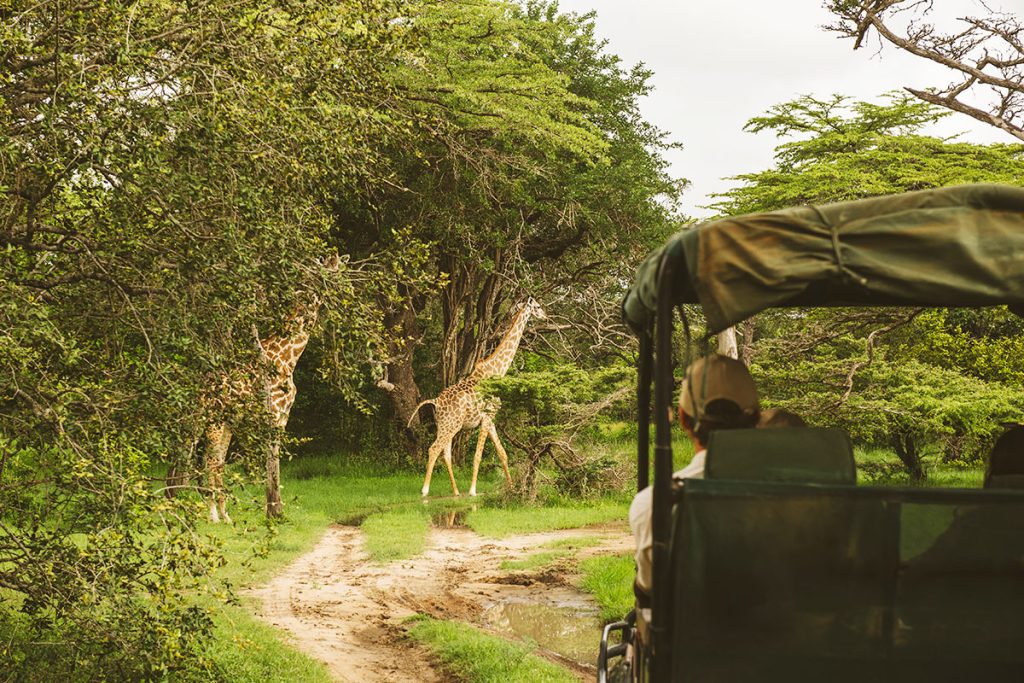
First, let’s clear up the name. This park was formerly known as the Selous Game Reserve, one of Africa’s largest protected areas. Renamed in 2019 to honor Tanzania’s founding president, Nyerere National Park retains that legacy of immense scale and wilderness. While many think of a safari as endless plains like the Serengeti, Nyerere offers a different masterpiece. Its soul is the Rufiji River — a sprawling network of channels, lakes, and lagoons that cuts through the landscape. This river system is the reason the standout experience here isn’t just a game drive; it’s the boat safari Nyerere is famous for. Gliding along the water, you see wildlife from a perspective you simply cannot get on land: hippos wallowing, crocodiles basking, elephants swimming across channels, and countless birds perched on the banks. It’s a quieter, more intimate way to witness the drama of life. Combined with its less-developed, remote character, Nyerere feels like a frontier. You won’t see many other vehicles. Your experience is defined by the land, the water, and the animals, not by the crowd.
Let’s talk about animals, honestly. Wildlife is wild, and sightings are never guaranteed — that’s the first rule of a true safari. In Nyerere, you are in one of Tanzania’s most significant wildlife areas. It supports healthy populations of elephants, lions, hippos, crocodiles, and a tremendous variety of birds. The famous “Big Five” (lion, leopard, elephant, buffalo, rhino) is a historical hunting term, not a modern guarantee. While lions and elephants are commonly seen, leopards are elusive, and black rhinos are critically endangered and very rarely seen here. What you can realistically expect, especially on a boat safari Nyerere, are fantastic viewings of hippos and crocodiles. Large herds of buffalo and giraffe are often spotted on game drives. The birdlife is spectacular, with over 400 species recorded. Season dramatically affects your experience. The dry season (roughly June to October) concentrates animals around water sources like the Rufiji, making sightings more frequent. The wet season (November to May) brings lush greenery, newborn animals, and migratory birds, but the foliage can make spotting predators harder. A good guide knows this and will use the season’s advantages to give you the best possible experience.
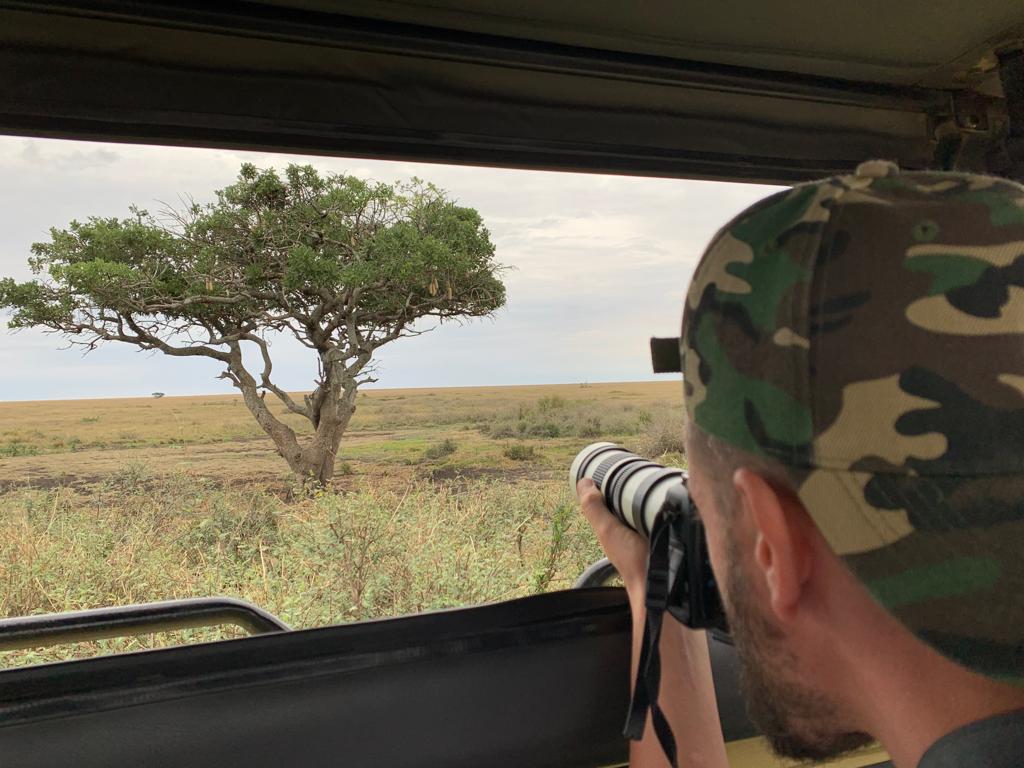
Your days in Nyerere will blend two primary activities: traditional game drives and the unique boat safari Nyerere experience. A game drive is what you likely picture: an open-sided 4×4 vehicle traveling along designated tracks through the bush. Your guide drives, stops for sightings, and shares knowledge. In Nyerere, these drives feel expansive because the park is so large and visitor numbers are low. The boat safari is the park’s signature. You’ll typically board a stable, shaded boat on the Rufiji River for a 2–3 hour cruise. From this vantage point, you see the aquatic life up close. Hippos yawn and grunt, crocodiles slide into the water, and elephants might be seen bathing or crossing. Birding is exceptional from a boat. It’s also a wonderfully relaxed way to experience the park — no dust, just the breeze and the water. Most multi-day itineraries will include both, giving you a complete picture of the ecosystem. Some operators also offer walking safaris with an armed ranger, a thrilling way to notice the small details of the bush, but these are less common and require a specific fitness level.
Nyerere’s remoteness is part of its charm, but it requires thoughtful planning to access. The park is in southern Tanzania, much closer to Dar es Salaam and Zanzibar than to the northern safari circuit (Arusha, Serengeti). This is key for your itinerary. Most visitors access the park via a scheduled or charter flight into one of its airstrips, like Mtemere or Stiegler’s Gorge. Flying from Dar es Salaam takes about an hour; from Zanzibar, it’s slightly longer. You can also drive from Dar es Salaam, a journey of several hours on variable roads, which is less common for premium safaris due to the time and comfort factor. Because of its location, Nyerere is often perfectly combined with a beach holiday in Zanzibar. A common flow is: fly into Dar or Zanzibar, enjoy a few days on the coast, then take a short flight into Nyerere for your safari, and fly back. It is less commonly combined with northern parks like Serengeti due to the significant distance and cost of internal flights between regions. Your tour operator will handle these transfers, but understanding the geography helps you build a sensible Tanzania trip.
Let’s talk about cost with transparency, because the research shows this is a gap. Safari packages to Nyerere are typically multi-day, all-inclusive tours. A visible example from the research is a 2-day wildlife safari from Zanzibar starting at $1,000. This is a useful reference point, but prices vary widely based on season, lodge standard (luxury tented camp vs. standard lodge), and itinerary length (3-day, 4-day, etc.). A typical package price includes: park fees, accommodation, all meals, game drives and boat safaris, professional guide services, and internal flights or transfers from a specified point (like Dar or Zanzibar). What is often not included, and you must ask about, are: international flights to Tanzania, visas, travel insurance, premium alcoholic drinks, and tips for guides and staff. When comparing offers, look closely at the “included” list. An ethical operator will be clear about this. Remember, a higher price often reflects better vehicle quality, more experienced guides, and camps with stronger ethical practices — investments that profoundly shape your experience.
There is no single “best” time; there is the best time for what you want to see. Nyerere has two broad seasons, each offering different rewards. The dry season (June to October) is classic safari season. Water is scarce, so wildlife congregates around the rivers and lakes. This makes animal sightings, especially of large herds, more predictable. The weather is pleasant, with clear skies and no rain. It’s an excellent time for photography and for those who prioritize seeing lots of animals. The wet season (November to May) transforms the park. The landscape greens, flowers bloom, and many animals give birth. It’s a time of abundance and vibrant life. Birdwatchers love this season for migratory species. However, the higher grasses and thicker foliage can make spotting predators like lions and leopards more challenging, and some roads may become impassable. Short rains in November and longer rains from March to May bring occasional afternoon thunderstorms. If you dream of lush landscapes and birdlife, and are comfortable with less predictable game viewing, the wet season holds its own magic.
How you travel matters. Nyerere is a protected ecosystem, and the quality of your experience is directly linked to the ethics of your operator. Look for signs of responsible practice: Professional, licensed guides: They should be Tanzanian, deeply knowledgeable, and focused on your safety and education, not just spotting animals. Conservation-focused camps: Many good camps use solar power, minimize plastic, and have water conservation systems. They should also enforce strict rules about not disturbing wildlife — no off-road driving to chase animals, maintaining quiet distances. Community impact: Ask if the camp employs local staff from nearby communities and supports local projects. Your presence should contribute to the park’s protection and the well-being of its people. Finally, your own behavior: follow your guide’s instructions, don’t litter, and respect the silence of the wild. A responsible safari ensures this place remains wild for generations to come.

So, how many days do you need? For a first-time visitor to truly experience Nyerere, I recommend a minimum of three full days (often sold as a 4-day package including travel days). This allows you time for multiple game drives in different areas, at least two boat safaris (morning and afternoon light are different), and the relaxed pace to absorb the place. A typical day looks like this: Early morning wake-up for a game drive (animals are most active). Return to camp for a late breakfast and perhaps a rest. Afternoon boat safari on the Rufiji. Evening game drive or sundowner at a scenic spot. Longer itineraries of 4 or 5 days let you explore deeper into the park, perhaps including a walking safari or a visit to Stiegler’s Gorge. Most itineraries are all-inclusive, staying at one fixed camp or lodge. If combining with Zanzibar, a classic plan is 5–7 days in Tanzania total: 2–3 days in Zanzibar, 3–4 days in Nyerere. Your operator will craft this, but knowing this framework helps you choose.
Nyerere’s location in southern Tanzania makes it a natural partner for the coast. Zanzibar, the famed spice island with its white-sand beaches and historic Stone Town, is a perfect complement. After the dust and excitement of your Nyerere National Park safari, a few days on Zanzibar offer relaxation, cultural tours, and superb seafood. The flight connection between Zanzibar and Nyerere is straightforward. Dar es Salaam, Tanzania’s bustling commercial capital, is often your international entry point. While most visitors don’t linger long in Dar, it can be a convenient stop for a night before flying into the park. Combining Nyerere with the northern parks (Serengeti, Ngorongoro) is logistically more complex due to the distance; it requires long internal flights or arduous drives and is typically a much longer, more expensive trip. For a first-time visitor wanting a classic safari-beach combination, the Nyerere-Zanzibar circuit is logical, rewarding, and easier to manage. Many also consider Selous safari tours if they are interested in the park’s history and legacy.
“`