
The 4 Days Serengeti Migration Itinerary is designed for those who want to witness the iconic moments: a churning river, thousands of wildebeest tumbling down a bank, crocodiles lying in wait. Planning to witness the Great Migration in four days is entirely possible—but you’re probably wondering if that’s enough time, what the real cost is, and how to avoid a trip that’s more exhausting than exhilarating. Let’s be honest: most itineraries look the same on paper.
As someone who plans and runs these trips, I’ll walk you through the standard 4 Days Serengeti Migration Itinerary that works, but I’ll also fill in the crucial gaps the brochures leave out. We’ll talk real driving times, what ‘budget’ actually gets you, and how to ensure your precious days are spent with the herds, not just traveling between parks.
First, let’s set the right expectation. A 4-day trip is a focused, action-packed experience. It is not a leisurely grand tour. The classic and most efficient structure is two nights in the Serengeti and one night near the Ngorongoro Crater.
You’ll spend the majority of your game drives in the Serengeti, with a final morning exploring the unique ecosystem of the Crater. This combination gives you the best ‘bang for your buck’ in a short timeframe, offering two distinct wildlife experiences.
Day 1 is a long travel day from Arusha or Moshi into the heart of the Serengeti. We’re talking 7+ hours of driving, including park entry formalities. Your first game drive begins the moment you enter the park. Days 2 and 3 are full days dedicated to tracking the migration in the Serengeti. Day 4 involves an early descent into the Ngorongoro Crater for a game drive, then the long journey back. This schedule forms the backbone of most 4 Days Serengeti safari plans.
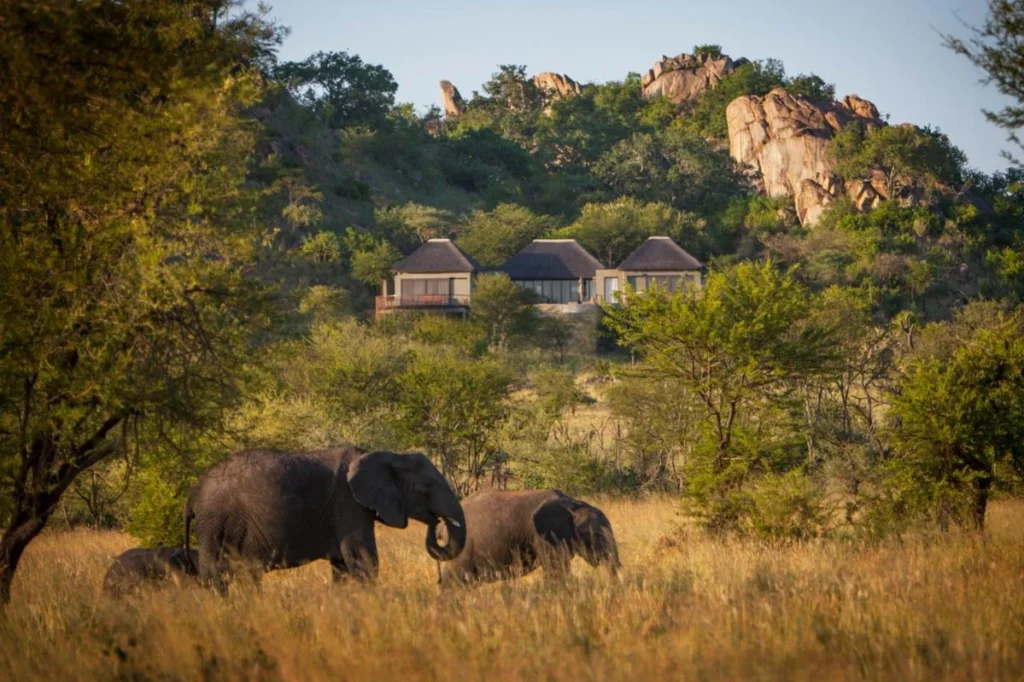
The “Great Migration” is a year-round, circular movement. Saying you’ll “see the migration” is too vague. Your 4-day plan hinges on choosing the right month for the spectacle you want.
For the dramatic river crossings you’ve seen on TV, you must aim for the Northern Serengeti between July and October. This is when herds congregate at the Grumeti and Mara Rivers, creating those nail-biting, crocodile-filled moments.
If your dates are flexible, January to March in the Southern Serengeti and Ndutu area offers the calving season. It’s a time of rebirth and intense predator action, with fewer crowds, though without the river drama. Choosing the wrong region for your dates is the top mistake first-timers make. You can follow a specific Serengeti migration daily itinerary to maximize your chances of witnessing key wildlife events during your chosen season.
This is the biggest gap in most online information. Prices vary wildly because the experience varies wildly. Based on current operator rates, here’s the honest breakdown per person for a 4-day trip.
Budget tier ($1,000–$2,350) means basic camping or very simple lodges, often in a shared group vehicle. Mid-range ($1,640–$3,350) gets you comfortable, permanent tented camps or good lodges with private bathrooms. Luxury ($2,000–$3,910+)—where that higher figure often lands—includes top-tier lodges, finer dining, and a private 4×4 vehicle.
The price difference isn’t just about thread count. It’s about privacy (group size), vehicle quality (pop-top roof vs. standard), guide expertise, and location. A luxury camp in the Northern Serengeti in July costs more for a reason: it’s right where the action is, saving hours of driving.
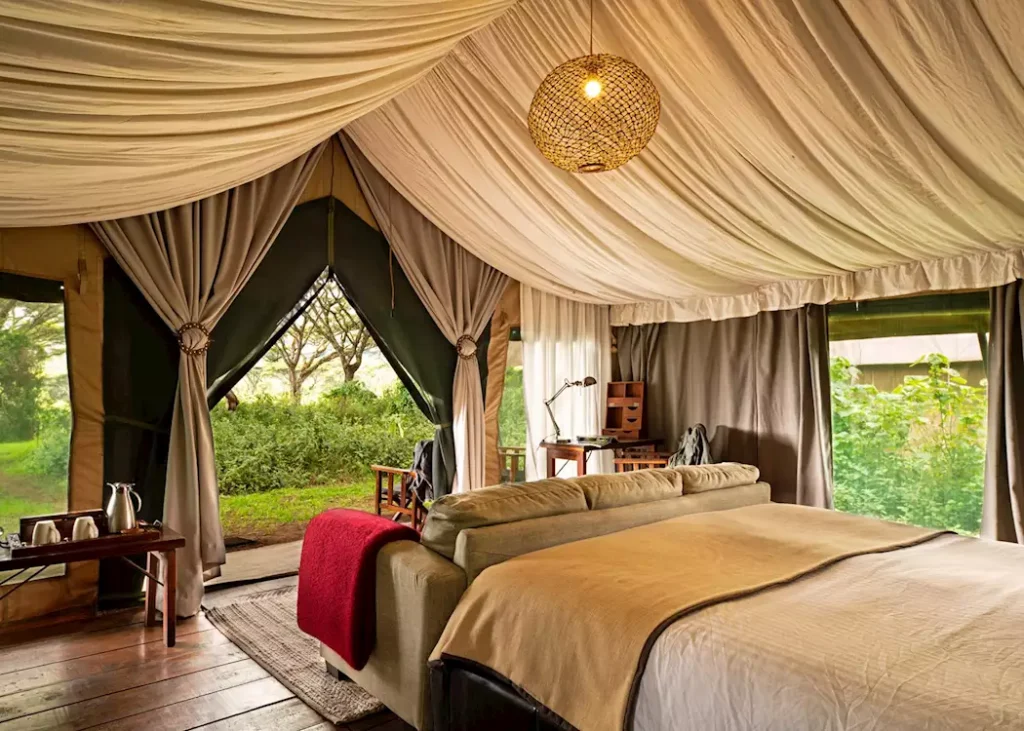
Your accommodation choice is your single biggest lever for comfort and location. It’s also the main driver of cost. In the Serengeti, you typically have two choices: lodges or tented camps.
Lodges are permanent structures with solid walls, often more hotel-like. Tented camps offer a more authentic ‘safari feel’—but don’t be fooled. Permanent tented camps have proper beds, en-suite bathrooms, and often exquisite decor. They are not “camping.”
For a migration-focused trip, the region of your camp is critical. A camp in the Central Serengeti (Seronera) offers general wildlife but requires long drives to reach the migrating herds in the north or south. If you’re chasing a specific season, insist on a camp in that specific region, even if it costs more. The time saved is game-viewing earned. A focused Serengeti migration daily itinerary often details which camp regions you should target for your travel month.
No one likes to talk about this, but you must be ready for it. Tanzania’s parks are vast, and roads are rough. The drive from Arusha to the Central Serengeti is a full-day affair of 7+ hours.
This isn’t a smooth highway journey. It’s a bumpy, dusty, and sometimes slow off-road experience. View it as part of the adventure—your first game drive starts the moment you enter the park. Come prepared with a neck pillow, downloaded entertainment, and patience.
A high-quality, well-maintained 4×4 Land Cruiser with a pop-top roof, large windows, and charging ports makes a world of difference. This is where a reputable operator matters. A broken-down vehicle or an overcrowded one can ruin your tightly scheduled trip.
Tell us what you have in mind and we’ll build you a free, no-pressure itinerary with honest pricing — planned by a local team that runs these trips every day.
Let’s get specific. Here is a sample, realistic day-by-day plan based on a July trip targeting the Northern Serengeti river crossings. This is what you can expect, hour by hour if you follow an optimized 4 Days Serengeti safari plan.
Day 1: Early pick-up from Arusha. Long drive north, with a lunch stop. Enter Serengeti via the Klein’s Gate in the north. An evening game drive towards your camp, with immediate chances to see herds massing near the Mara River. Overnight Northern Serengeti.
Day 2 & 3: Full days dedicated to the migration. Pre-dawn coffee, then out at sunrise to position at a river crossing point. Hours are spent waiting and watching—a thrilling test of patience. Your guide will listen to radio chatter and scout for movement. Afternoon drives explore other areas before returning to camp.
Almost every 4-day itinerary includes Ngorongoro Crater. It’s a magnificent, unique world—a collapsed volcano teeming with wildlife, including the rare black rhino. But it comes at a cost: time.
Including Ngorongoro means you lose nearly a full day of Serengeti migration viewing to travel to and from the crater. For some, the trade-off is worth it for the crater’s guaranteed big-five sightings and stunning scenery. For hardcore migration enthusiasts, consider a 4 Days Serengeti Migration Itinerary that is Serengeti-only for maximum herd time.
If you do the classic route, your last day involves a very early wake-up to descend into the crater at dawn for a 4-5 hour game drive. You’ll see a high density of animals in a short time, before beginning the long journey back to Arusha, arriving late afternoon.
Beyond the wildlife, a responsible safari considers the people and the land. This is a major gap in most marketing. An ethical operator invests in its team.
This means fair wages, proper guide certifications (not just a driver’s license), and ongoing training. It means vehicles are meticulously maintained for your safety and comfort. It also means the camps and lodges you visit have solid waste and water management policies. Your choice directly impacts these communities.
When comparing operators, don’t just ask about animal sightings. Ask about guide training programs, vehicle safety checks, and community projects they support. The answers—or lack thereof—will tell you everything.
Packing wrong can make a good trip uncomfortable. The key is layers and dust protection. Temperatures swing from chilly mornings to hot afternoons.
Must-haves: neutral-colored clothing (khaki, green, beige), a warm fleece or jacket for early starts, a wide-brimmed hat, high-SPF sunscreen, and quality sunglasses. Binoculars are non-negotiable—you’ll want them for watching distant crossings. Following a reliable Serengeti migration daily itinerary may also help you identify less-obvious items to pack based on your travel dates and regions.
A bandana or buff for dust, a power bank for charging devices in the vehicle, and durable, broken-in walking shoes are crucial. Also, pack a soft-sided bag, as hard suitcases are difficult to store in safari vehicles.
You’re spending a significant amount. How do you avoid scams or disappointment? Transparency is your shield. A reputable company provides a clear, detailed proposal for any 4 Days Serengeti Migration Itinerary.
This should list every camp by name, not just “luxury tent.” It should state what’s included (park fees, meals, guides) and, critically, what’s not (tips, drinks, travel insurance). It should outline a fair cancellation policy and deposit schedule. Never book based on a vague email quote.
A professional operator will offer a thorough pre-trip briefing, either virtually or in person in Arusha. This covers safety, etiquette, and last-minute details. It’s your chance to ask final questions and sets the tone for a well-organized adventure.
Yes, if you time it right and stay in the correct region. Four days gives you two full days to track and witness the herds, which is sufficient for a powerful experience, especially if you see a river crossing. Many find the 4 Days Serengeti Migration Itinerary offers just the right amount of adventure and wildlife action.
For the iconic river crossings, July through October in the Northern Serengeti is prime. For the calving season with lots of predators, aim for January to March in the Southern Serengeti and Ndutu area.
Realistic all-inclusive prices per person range from $1,000 for budget camping to over $3,900 for luxury lodges and a private vehicle. The mid-range of $1,600 to $3,350 is most common for comfortable tented camps. Planning your 4 Days Serengeti safari plan around your budget helps you set realistic expectations for accommodation and experiences.
Yes. The drive from Arusha to the Central Serengeti takes 7+ hours on rough roads. It’s part of the journey. Choosing a camp in the Northern Serengeti can shorten this if you fly into a nearby airstrip. Check your Serengeti migration daily itinerary to see if a fly-in option makes sense for your schedule.
Absolutely. Some operators offer a “Migration-Only” 4-day itinerary that keeps you in the Serengeti the entire time. This maximizes your chances with the herds but means missing the unique crater ecosystem.
A pop-top 4×4 Land Cruiser is the safari standard. The pop-top allows you to stand for unobstructed viewing and photography. Ensure it’s well-maintained and not overcrowded; a private vehicle guarantees the most flexibility.
Look for detailed, transparent proposals naming specific camps, clear pricing, and a focus on guide training and safety. Read recent, independent reviews and ask about their ethical policies for staff and the environment.
You’ll wake before sunrise for coffee, head out on a morning game drive, return to camp for brunch and relaxation during the midday heat, then go out again for an afternoon drive until sunset. Evenings are for dinner and stories under the stars.
Yes, Tanzania’s national parks are very safe for tourists. Reputable operators prioritize guest safety with certified guides, reliable communication, and well-serviced vehicles. Standard travel vaccinations are recommended.
A good pair of binoculars. The migration often unfolds at a distance, and quality binos bring the drama—a struggling wildebeest, a lurking crocodile—right to your eyes.
“`