
You’re comparing 5 Days Migration Safari Costs for a 5-day Serengeti safari, and the numbers are all over the place. Is that $1,500 price real? What does “all-inclusive” actually include? As someone who runs these trips from Arusha, I’ll give you the honest breakdown the brochures leave out. Let’s turn those confusing price tags into a clear, realistic budget for your trip.
For a 5-day safari focusing on the Great Migration, total costs typically fall into three tiers. A budget trip, often using public campsites, ranges from $1,200 to $1,800. Mid-range safaris with comfortable lodges or permanent tented camps cost between $2,000 and $3,200.
Luxury fly-in safaris or stays at high-end lodges can range from $3,500 to over $7,500. The single biggest factor in this spread is your accommodation. But remember, a higher nightly rate doesn’t always mean better wildlife viewing—it often means more comfort and service after a long day in the bush.
Beyond your bed for the night, several fixed costs are built into every quote. Mandatory park fees are the most significant. For the Serengeti, this is currently around $83 per adult, per day. This fee is non-negotiable and paid directly to the park authority.
Your group size also dramatically changes the per-person cost. A private vehicle and guide for two people is far more expensive per person than joining a group of six. Season matters, too; traveling in peak season (June to October) can increase your total cost by 20-30%.

Let’s open the hood on an “all-inclusive” quote. A trustworthy Serengeti safari cost breakdown should clearly separate the following: park entry fees (that $83/day), conservation fees, your accommodation (named, not just “lodging”), all meals, drinking water, transport in a 4×4 safari vehicle, and your guide’s fees.
What’s often excluded are tips for your guide and camp staff, international flights, travel insurance, visas, and alcoholic drinks. I see many travelers surprised by these extra costs, so it’s best to budget for them upfront—typically an additional $25-$40 per day for tips alone.
A low initial quote can sometimes mean high add-ons later. Always ask if your quote includes the Serengeti park fee specifically. Some operators list a lower base price and add this critical fee later. Also, confirm your vehicle type. A proper, pop-top 4×4 Land Cruiser is essential for safety and viewing—don’t settle for less.
Most safaris start in Arusha. Your operator should arrange a pickup from Kilimanjaro International Airport (JRO) or Arusha Airport. I strongly advise arriving at least one full day before your safari departure. This buffers against international flight delays and gives you time to meet your guide, do a gear check, and rest.
That first night’s hotel in Arusha is often not included in a standard 5-day safari package. Budget an extra $80-$150 for a comfortable pre-safari stay. Use this day to get local currency (Tanzanian Shillings for tips and souvenirs) and buy any last-minute essentials.
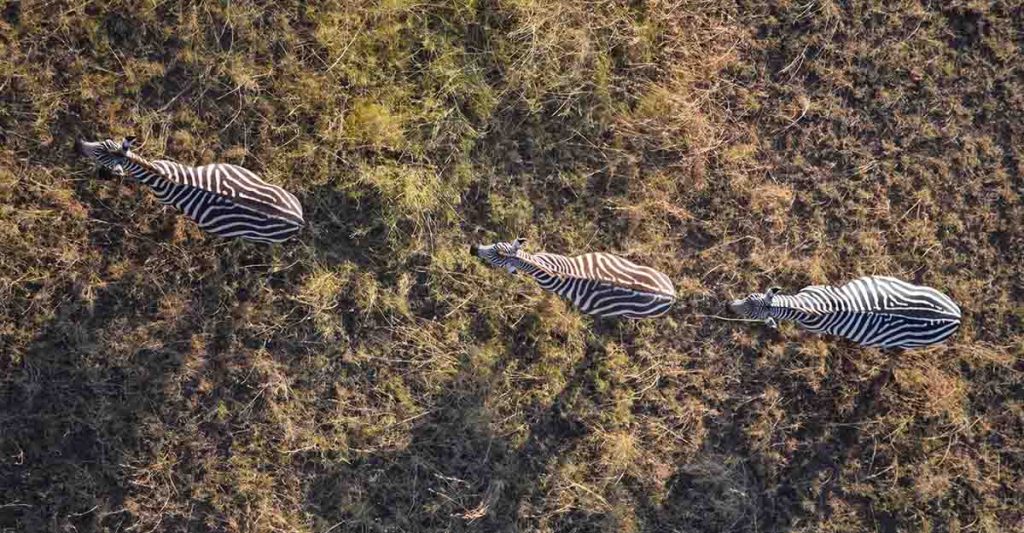
Traveling alone on a safari comes with a “single supplement” premium. This is because many costs, like the vehicle and guide, are fixed. Solo travelers might see rates as high as $300-$350 per day for a private experience.
However, you can avoid this by joining an existing small group safari. Many operators, including mine, maintain fixed departure dates where solo travelers can book a single spot in a shared vehicle. This brings your per-day cost down to the standard group rate, often between $150 and $180 per day.
It’s a fantastic way to meet other travelers and significantly reduce your trip cost. Always ask an operator if they have any group departures with space for a solo join.
Tell us what you have in mind and we’ll build you a free, no-pressure itinerary with honest pricing — planned by a local team that runs these trips every day.
The season you travel impacts cost, crowd levels, and what you’ll see. Peak season (June to October) offers dry weather and the best chance to see the Migration in the Serengeti’s central and northern regions. However, prices are at their highest and lodges book up far in advance. If you check 5 Days safari cost July to October, you’ll see this is the most expensive time to travel.
The low or “green” season (April, May, and November) can bring brief rains, but it also brings lush landscapes, fewer vehicles, and savings of 15-25% on your total trip cost. This is a fantastic option for travelers who don’t mind the occasional shower for a more exclusive and affordable experience.
How do you know if your money supports the local community and conservation? Look beyond the price. Ask operators direct questions: Do you pay your guides and crew a fair, livable wage? What are your vehicle safety protocols? Do you have any sustainability certifications?
A responsible company will be transparent about this. They know that today’s travelers care about the footprint they leave behind. Your fees should help protect the parks you visit and support the people who make your safari possible.
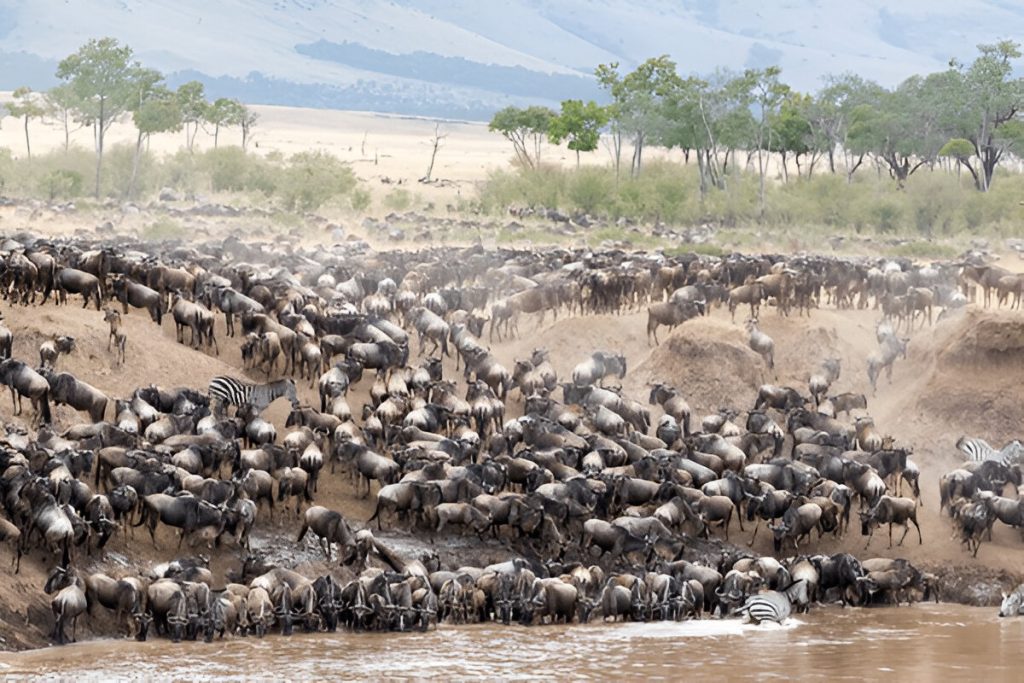
A classic 5-day Migration circuit often includes more than one park. A typical route might be: Arusha to Tarangire National Park (for elephant herds), then to the Serengeti for 2-3 nights, finishing at Ngorongoro Crater for a final game drive.
This route is popular because it showcases Tanzania’s diversity. Be sure your itinerary clarifies how many nights are spent inside the Serengeti itself versus other parks. More Serengeti nights usually mean a higher chance of encountering the Migration herds.
Packing right saves you money and stress. You do not need a wardrobe of new safari clothes. Focus on neutral colors, a warm layer for cool mornings, a quality sun hat, broken-in shoes, and binoculars. Most importantly, bring a high-capacity power bank—charging in vehicles or remote camps isn’t always guaranteed.
Before you confirm a booking, run through this list. Have you accounted for: the all-inclusive safari quote (park fees, meals, lodging, vehicle/guide), international flights to Tanzania, travel insurance, Tanzania visa fee ($50 for most nationalities), pre- and post-safari hotel nights, tips for guides and camp staff, and personal spending (souvenirs, drinks)?
This holistic view prevents last-minute financial surprises. A well-planned budget lets you relax and enjoy every moment of your adventure, from that first sighting of a lion to your final sunset over the savannah.
Once you’ve compared operators and quotes, the final step is booking. Use a credit card for payment protection. Ensure you receive a detailed itinerary with all lodge/camp names, a clear contract outlining cancellation policies, and emergency contact information for the local ground team.
A good operator will be in touch before your trip with a detailed packing list, meet-and-greet information, and answers to any final questions. This level of organization is a sign of a professional outfit that will take good care of you on the ground.
The conservation fee for the Serengeti National Park is currently $83 per adult, per day. This is a mandatory fee paid to the Tanzanian park authority and should be clearly itemized in your quote as part of your Serengeti safari cost breakdown.
Yes, a well-planned 5-day itinerary with 2-3 nights in the Serengeti gives you a very good chance. The key is timing your travel with the herd’s typical locations for that season and having an experienced guide familiar with 5 Days Migration Safari Costs expectations.
Budget safaris often use public campsites and simpler meals. Mid-range trips feature permanent tented camps or lodges with private facilities, higher-quality food, and often more reliable vehicles and guiding.
Demand is highest from June to October due to dry weather and prime Migration viewing. Lodges and operators increase rates, and park fees remain the same, leading to a 20-30% higher total cost. The 5 Days safari cost July to October is therefore at the upper end of the range.
Usually not in standard 5-day packages, which mostly use road transfers. Fly-in safaris are a luxury upgrade and significantly increase the cost, but save considerable travel time.
A common guideline is $20-$25 per day for your guide and $10-$15 per day for camp staff, per traveler. It’s best to have this cash in US dollars or Tanzanian shillings.
Absolutely. Many operators offer set group departure dates where you can book one seat. This is the most affordable way for solo travelers to experience a safari without paying a large single supplement.
Typically excluded are international flights, Tanzania visas, travel insurance, alcoholic drinks, gratuities, and personal purchases. Always confirm this with your operator.
The low or “green” season (April, May, and November) offers the best prices, with savings of 15-25% compared to peak season. You’ll trade dry weather for lush scenery and fewer crowds than if booking 5 Days safari cost July to October.
Insist on a 4×4 Land Cruiser or similar with a pop-top roof for optimal viewing. Each traveler should have a window seat. Avoid minibuses, which are not suitable for Serengeti terrain.