
You wake in the cool, predawn darkness to the sound of a Thermos being set down by your tent door. A few hours later, you’re bouncing along a dusty track, the amber light of a Serengeti sunrise spilling over the grass. Your guide cuts the engine. In the sudden, profound silence, you hear it: the low, rhythmic crunch of a lion gnawing on bone. This is the moment you came for—raw, unpredictable, and utterly real. Planning your first Big Five Tanzania safari means reaching that moment with confidence, truly knowing what you’re stepping into. Let’s talk about what it’s really like.

The term “Big Five” is thrilling, but it’s not a guarantee. It originates as a historical hunting term, now a conservation badge of honor for seeing elephant, lion, leopard, buffalo, and black rhino. On a good day, you might check off four. The leopard, a master of camouflage, often proves elusive; the black rhino, critically endangered, is a rare gift. A great guide won’t promise you the full list; instead, they’ll offer deep knowledge of animal behavior and the terrain. They’ll teach you to read the bush—the alarm call of a bird, the flick of a vervet monkey’s tail—which so often leads to the most magical sightings, Big Five or not. Your safari will be a story written by nature, not a script.
Most first-time Tanzania wildlife safaris follow the Northern Circuit, a loop of iconic parks linked by roads that are part of the adventure. It almost always starts and ends in Arusha, the busy safari hub where operators are based. From here, you’ll journey to Tarangire for its elephant herds and baobab sentinels, then to the Ngorongoro Conservation Area. You’ll descend into the Ngorongoro Crater, a world unto itself, before continuing into the vast, soul-stirring plains of the Serengeti. Finally, you loop back. The drives between parks aren’t just transit; they’re cultural snapshots of Tanzanian life—passing markets, Maasai herdsmen, and rolling highlands. Understanding this geography helps you make sense of your itinerary.
A classic 7-day package isn’t arbitrary; it’s the sweet spot for a first Northern Circuit safari. It allows for two nights in Tarangire, one near the Ngorongoro rim, a full day exploring the crater floor, and three nights in the Serengeti. This rhythm is vital. Rushing through means you’re always arriving or leaving, missing the subtle patterns of a place. Three nights in the Serengeti, for instance, gives you multiple game drives in different areas, dramatically increasing your chances of witnessing the Great Migration if your timing is right. It builds in time for a slow morning, for sitting with a herd of elephants at a waterhole, and for the experience to truly sink in.
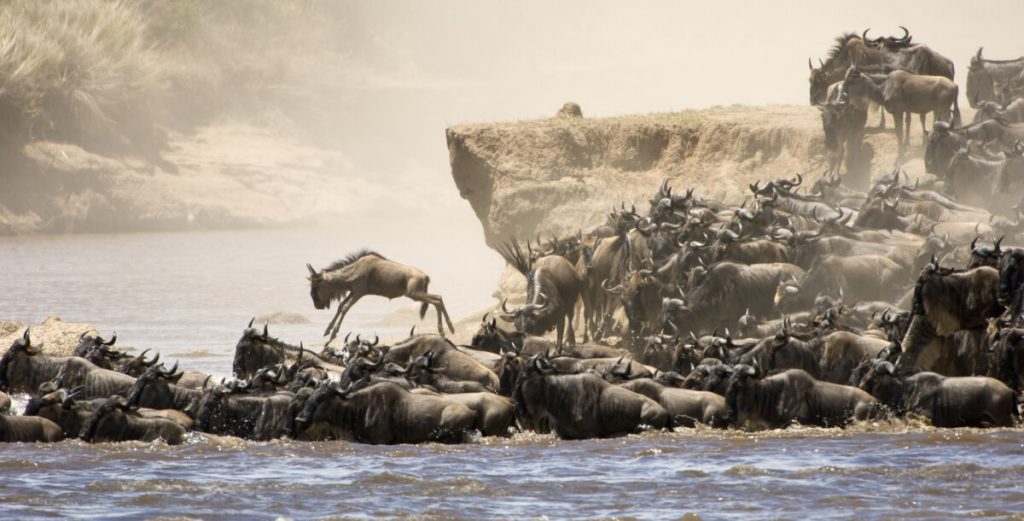
Timing is everything, but there’s no single “best” time for African Big Five safari tours. The dry season (June–October) offers clear skies, thinning vegetation, and animals gathering at water sources—excellent for Big Five viewing. It’s also peak season. The green season (November–May) brings lush landscapes, newborn animals, and far fewer vehicles, but afternoon showers are typical. The wildebeest calving in the Southern Serengeti (often in February) is a spectacle of predator action. The reality is, Tanzania’s parks are year-round destinations. Your choice depends on whether you prioritize photographic conditions, lower crowds, or certain natural events. Each season writes its own story.
Prices for Big Five safari tours vary widely, and understanding why is key to planning well. At the core, your fee covers your private vehicle, your expert guide and driver, park fees, all meals, and lodging. The biggest variables are season (peak dry season costs more) and accommodation (ranges from comfortable tented camps to ultra-luxury lodges). International flights, travel insurance, tips for your guide and camp staff, and drinks (beyond water) are typically excluded. A mid-range 7-day safari will cost considerably less than a luxury one, but both should include the core Tanzania wildlife safari experience. Your investment goes into access, expertise, and conservation.
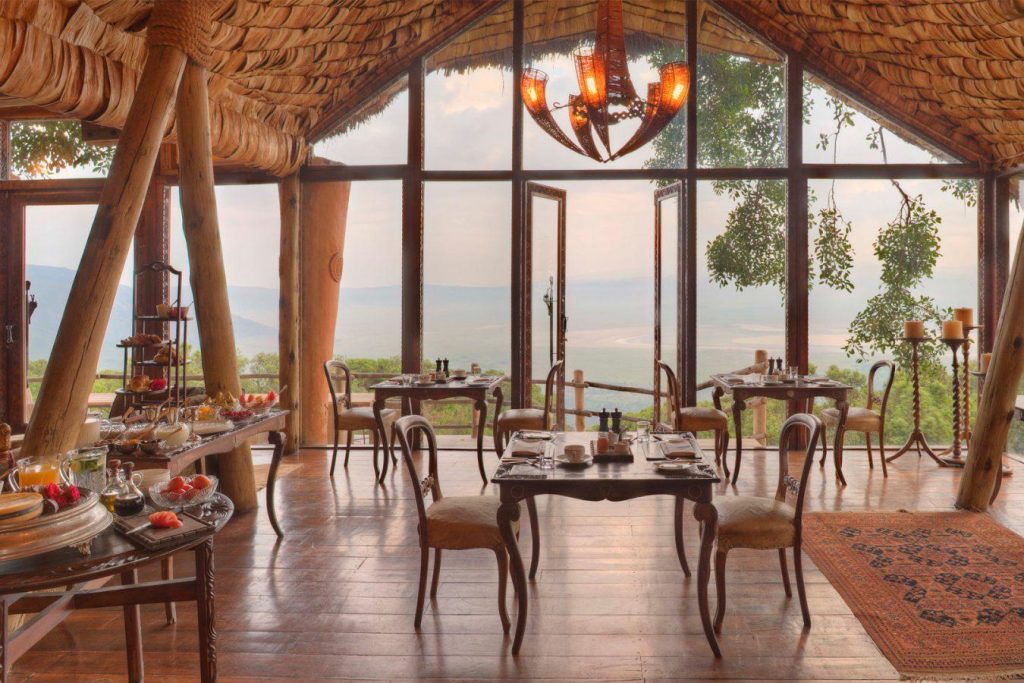
For the affluent traveler, “luxury” on safari isn’t about marble bathtubs; it’s about seamless, immersive, and private experiences. It means a private 4×4 with a pop-top roof, giving you control over your schedule and space. It’s an English-speaking guide with a decade of experience, whose eyes can pick out a leopard in a distant tree. It’s the smooth logistics: being met at Kilimanjaro Airport, seamless transfers to Arusha, and every detail carefully handled. It’s falling asleep to the Serengeti’s sounds in a well-appointed tent with a hot shower waiting. This operational excellence removes friction, leaving you fully present for the wild world outside.
Your choice of operator impacts more than just your trip. A responsible partner is non-negotiable. Look for one that employs local Tanzanian guides, pays fair wages, and invests in community initiatives. They should always follow park rules: no off-roading, keeping safe distances from animals, and limiting engine noise. Camps should actively practice sustainability with solar power and water conservation. Ask how they handle single-use plastics. A true safari steward knows the well-being of wildlife, people, and land preserves the experience for generations. Your dollars should support that vital cycle.
Pack light, in soft bags, and plan for layers. Mornings on the crater rim are cold; midday on the plains is hot. Wear neutral, comfortable clothing—khakis, greens, browns. Bring a wide-brimmed hat, high-SPF sunscreen, and quality binoculars. Don’t forget a power bank for charging cameras in the vehicle, and a small flashlight for camp at night. Most importantly, pack patience. Wildlife appears on its own schedule. The willingness to sit quietly and wait is the ultimate Tanzania safari gear. The best sightings often come when you aren’t in a rush.
Being prepared lets you relax. Consult a travel health clinic well before your trip for advice on malaria prophylaxis and required vaccinations. In the parks, you are in wild animal territory—always listen to your guide. Roads are bumpy and dusty; that’s part of the adventure. Travel with comprehensive insurance covering medical evacuation. Drink only bottled or purified water. These practical steps don’t aim to scare you; they’re the foundation of a carefree journey. When your health and safety are managed, your mind is free to absorb the wonder all around during your African Big Five safari.
Your first Big Five Tanzania safari morning begins before sunrise. A gentle wake-up call with coffee or tea at your door. A quick breakfast, maybe around the campfire under a sky still full of stars. Then you set out in the vehicle as the sky brightens. The air is cool and fresh. Your guide is tuned in: listening, watching. Soon, you learn the rhythm— the slow, scanning drive; stoppng to watch a herd of impala; the thrill of cutting the engine to witness a hunt. You’ll head back to camp for a bountiful lunch and a siesta during the day’s heat, then out again until sunset. It connects you to the ancient pulse of the wild.
“`