
Picture this: the first golden hour of your Tanzanian adventure begins with your focus keyword—your 3-day safari from Arusha. You’re in a 4×4, the air is cool, and the engine hums a low promise. Ahead, the road unfurls toward a horizon filled with endless grass and flat-topped acacia trees. This is the moment your journey starts – a short, intense, and profoundly beautiful immersion into the wild. It’s a quick adventure, yes, but one that, with honest expectations and clear planning, delivers a lifetime’s worth of memories. Let’s walk through what it’s really like.
You wake up in Arusha not by chance, but by strategy. This isn’t just a town—it’s the logistical heart of northern Tanzania’s safari circuit. The genius of starting your 3-day safari from Arusha is its proximity. You can finish a hearty breakfast at your lodge and, within a couple of hours, be staring into the Ngorongoro Crater or scanning the Serengeti plains. On a short trip, every hour saved on the road is an hour gained among lions and elephants. Arusha is where international flights from Kilimanjaro Airport (JRO) meet a network of smaller airstrips and skilled local operators. It’s the perfect launchpad – a place to get your bearings, meet your guide, and feel the excitement shift from anticipation to reality as you leave the tarmac behind for the dust of the savannah.
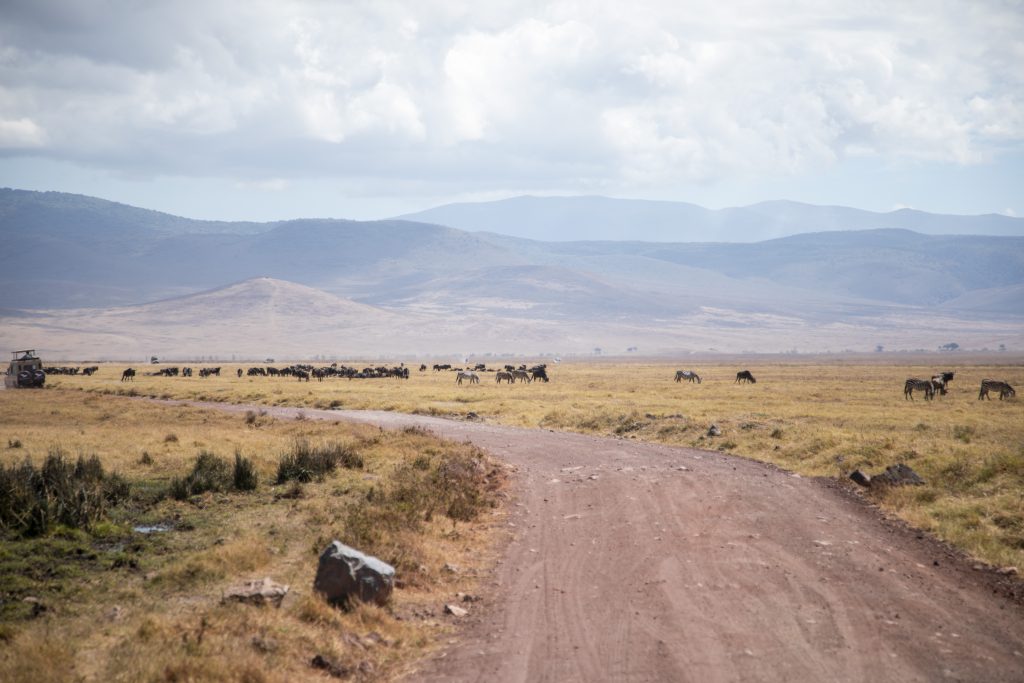
The classic pairing for a short safari is no accident. It’s a masterclass in contrast and efficiency. Day one is a journey of anticipation, traveling from Arusha through the dramatic highlands towards the Serengeti. Your first game drive here is about scale – the sheer, breathtaking vastness of it. You won’t see the whole park; that’s impossible in three days or even three weeks. But you will feel its soul. Day two is a full, glorious immersion in the Serengeti, from dawn until the light turns honey-gold. Day three brings the stunning change of scene: a descent into the Ngorongoro Crater, a world-within-a-world, where wildlife is concentrated in a volcanic bowl. It’s a one-two punch designed to show you the best of both worlds: the endless plains and the lush, contained crater floor.
For those interested in a Tanzania budget camping safari, this classic route—covering the Serengeti and Ngorongoro in three tightly packed days—lets you maximize sightings without sacrificing the wild experience. Many affordable Tanzania safari packages use this itinerary for efficiency and high impact, often adapting accommodations and extras to suit your budget.
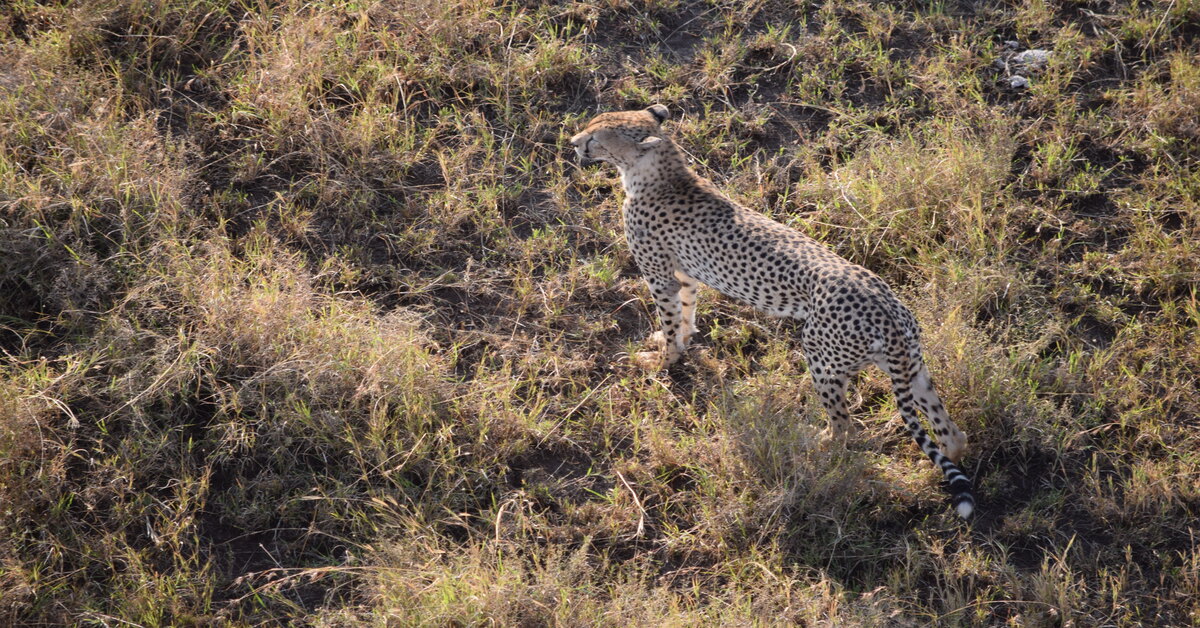
Let’s be clear about wildlife, because the wild doesn’t follow a script. In three days, covering these two iconic parks, you have an excellent chance of seeing a breathtaking array of animals: elephants casting long shadows, towers of giraffe, herds of zebra and wildebeest, and likely lions, perhaps even at a kill. The crater is famous for its black rhino population, though sightings are rare and never guaranteed. What you likely won’t see, given the time constraint, are the more elusive creatures like leopards (which require patience and luck) or the full, dramatic sweep of the Great Wildebeest Migration across the entire Serengeti ecosystem. A good guide maximizes your chances, but the magic lies in the surprise – the giraffe that steps onto the road, the hippo’s yawn you catch just in time. That’s the real prize.
You’ll see prices like $1,150 per person or a rate of $330 per person per day advertised for a budget safari. These are real starting points, but they’re just that – a starting point. The true cost is a story of what’s included. A bare-bones budget price covers park fees, a basic vehicle, simple accommodation (often public campsites), and meals. Value comes from the details: a newer, well-maintained 4×4 with a pop-top roof for better viewing; a knowledgeable, certified guide who reads the bush like a book; and the safety net of a reputable operator. For the affluent traveler seeking an authentic, well-run experience, the investment isn’t just in the destination, but in the quality of the journey itself. Ask what your price includes to determine if your 3-day safari from Arusha really delivers value or just the basics.
If you’re seeking an affordable Tanzania safari package, it’s essential to know what’s covered. The best packages combine reliable vehicles and quality guides, even at budget rates. Tanzania budget camping safaris often deliver on price, but be sure to verify inclusions before booking.
Timing is everything, and it’s the most common gap in planning. The Serengeti isn’t a static postcard; it’s a living, breathing, moving theatre. The famous Great Wildebeest Migration is the lead actor, but its schedule is dictated by rain. Generally, the herds are in the Southern Serengeti and Ngorongoro area from December to March (calving season is February). They move through the Central Serengeti around April to June, and are in the Northern Serengeti (and Kenya’s Maasai Mara) from July to October for the dramatic river crossings. A 3-day safari from Arusha is best timed for the Southern/Central zones (Dec-June) to align with this route. The dry season (June-October) offers fantastic general wildlife viewing with clearer skies, while the green season (Nov-May) is lush, less crowded, but with a higher chance of showers.
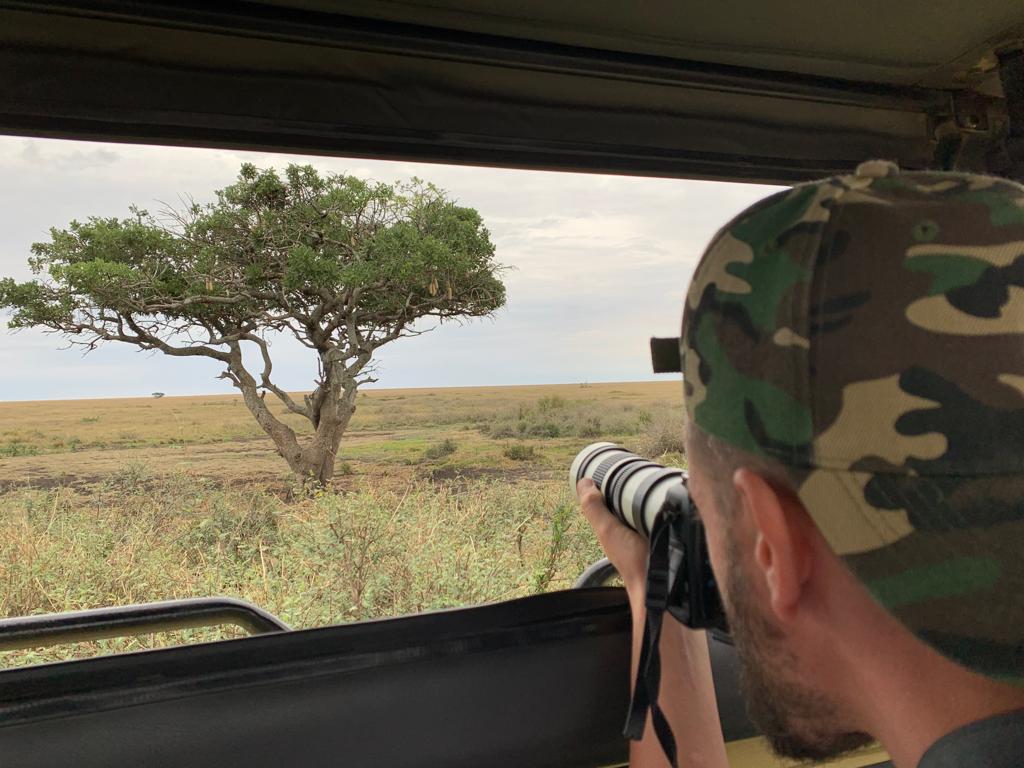
Your safety is inextricably linked to the quality of your safari outfit. This isn’t a place for cut corners. A proper vehicle is a rugged, well-serviced 4×4 Land Cruiser or Land Rover with a pop-top roof, functioning radio, and a full spare tire. Your guide should be government-licensed, trained in first aid, and fluent in both the language of the bush and yours. Health-wise, consult a travel clinic months in advance. Malaria prophylaxis is essential for this region, and standard travel vaccinations (like Hepatitis A, Typhoid) are strongly advised. In the parks, you’re safe inside the vehicle, but always listen to your guide. This practical diligence is the invisible framework that lets the wonder unfold without worry.
So, what does it actually feel like? Your days start before dawn with a quick coffee and a sense of thrilling urgency. You’re on the move as the sky lightens, the best time for predator activity. The morning is a slow scan of the horizon, punctuated by your guide’s raised hand and a whispered “look.” There are long stretches of driving, the dust coating everything, and then – a burst of action. A lion pride under a tree. A herd of buffalo like a dark storm on the plain. Lunch is a picnic in a designated area, often with a view. The afternoon heat brings a lull, then the game drive continues until sunset. Evenings are for reliving the day over a meal, under a blanket of stars you’ve never seen so clearly. It’s tiring, immersive, and utterly worth it.
Before you commit, have a direct conversation. Ask: What is the exact make, model, and age of the safari vehicle? Can I see a photo? What are the guide’s qualifications and years of experience? Can you detail the accommodation – is it a public campsite, a permanent tented camp, or a lodge? What is your policy on ethical employment and environmental practices? How do you handle medical emergencies? The answers separate marketers from true safari professionals. A reputable operator will answer these transparently and with pride. Your 3-day safari from Arusha is a significant investment of time, money, and spirit; trust is the foundation it’s built on.
Is 3 days really enough for a safari?
For a deep, exhaustive exploration of one park, no. But for a brilliantly concentrated taste of Tanzania’s two most iconic destinations – the Serengeti and Ngorongoro Crater – 3 days is perfectly designed. You’ll experience the vast plains and the concentrated crater life, seeing a huge amount of wildlife with a well-planned itinerary. It’s a “quick adventure” that delivers immense reward, especially on a 3 day Serengeti and Ngorongoro safari.
What is the best time of year for a 3-day safari from Arusha?
It depends on your goal. For general wildlife viewing and clearer skies, the dry season (June-October) is superb. To have a chance of seeing the Great Wildebeest Migration on this specific route, aim for December through June, when the herds are typically in the Southern and Central Serengeti. The green season (November-May) is lush, beautiful, and less crowded, though with a higher chance of rain. Asking about your operator’s recommendations for your proposed dates is always wise.
Are the Big Five guaranteed on this trip?
No, and any operator that guarantees specific wildlife sightings is over-promising. The wild is unpredictable. You have a very high likelihood of seeing lion, elephant, and buffalo. The black rhino in Ngorongoro is rare and sightings are a privilege, not a certainty. Leopard are elusive and require significant luck. Focus on the incredible abundance of what you will see, not a checklist.
What does a “budget safari” price actually include?
A budget price, such as $1,150 per person or $330 per person per day, typically covers park entry fees, transportation in a basic 4×4, accommodation (often in public campsites with shared facilities), meals, and water. It usually does not cover tips, drinks, travel insurance, or any optional activities. Always request a detailed breakdown, especially if choosing a Tanzania budget camping safari or affordable Tanzania safari package.
How much time is spent driving each day?
This is an active trip. Day one involves 4-6 hours of transfer from Arusha to the Serengeti, with game viewing en route. Days two and three involve full-day game drives, meaning you’ll be in the vehicle for most of the daylight hours, with breaks for meals. The driving is part of the safari – it’s how you explore and discover.
Is it safe, especially regarding health?
With a reputable operator, you are very safe. Vehicle and guide standards are key. Health-wise, you must take precautions: malaria prophylaxis is essential for this region, and standard travel vaccinations are strongly recommended. Consult a travel doctor 6–8 weeks before your trip. In the parks, you remain safely inside the vehicle during game drives.
What should I look for to ensure my operator is ethical?
Ask direct questions. Do you pay fair wages and follow KPAP (Kilimanjaro Porters Assistance Project) principles for staff welfare? What are your environmental policies at camp? Do your drivers follow park rules on wildlife proximity? Ethical operators will be transparent and proud of their answers. Your choice supports conservation and community.
Why start in Arusha instead of elsewhere?
Arusha is the strategic gateway. It’s the closest major town to both the Ngorongoro Conservation Area and the Serengeti’s main entry gates, minimizing precious travel time on a short trip. It also has the best infrastructure, with easy connections from Kilimanjaro Airport (JRO) and a concentration of quality operators to meet your guide and vehicle.
What type of accommodation can I expect?
This varies widely with price. Budget safaris often use public campsites with shared bathroom facilities. Mid-range options provide comfortable permanent tented camps with private bathrooms and often swimming pools. Luxury lodges offer full-service amenities. Clarify exactly what is included in your quote – an accommodation name and photos are best if you want to be sure your Tanzania budget camping safari matches your expectations.
Can I customize the standard 3-day Serengeti & Ngorongoro itinerary?
Often, yes, though within limits due to park distances. You could potentially spend all three days in one park for deeper exploration, or swap Ngorongoro for Tarangire National Park (famous for elephants and baobabs). However, the classic pairing is standard because it’s so effective for a short duration. Discuss options with your operator to find the most affordable Tanzania safari package that fits your interests.