
If you’re researching Kilimanjaro, you’ve seen the Lemosho Route praised as the best. It offers incredible scenery and a high summit success rate. But you’re also seeing prices that make you wonder: can I afford this “premium” experience without breaking the bank? This Lemosho Route Budget Guide will help you answer that question.
You can. The key isn’t finding the cheapest operator; it’s understanding exactly what you’re paying for and where you can make smart choices. This Lemosho Route budget guide cuts through the glossy brochures to show you how to get that legendary trek for less.
The first number you see online is often a shock. Prices for an 8-day Lemosho climb can range from around $2,600 to over $5,000 per person. Why such a huge spread? It’s not just profit margins.
Your fee covers park fees, wages, food, and gear. Tanzania National Park charges over $1,100 in fees alone for an 8-day trek. Then you add crew salaries, food, transport, and tents. A legitimate budget starts around $2,600—anything significantly lower should raise red flags about safety and wages.
A fair price ensures your guide is certified, your porters are paid properly, and you have enough food and water. It also determines your guide-to-client ratio, which directly impacts safety. Budgeting for Kilimanjaro means budgeting for a ethical, safe climb.
You might see cheaper routes like Marangu. But Lemosho’s higher cost delivers real value where it matters most: your summit chance and your experience.
The longer 8-day Lemosho itinerary has a summit success rate often cited at 90-95%. The flatter, shorter Marangu Route has a much lower rate, around 50-60%. You’re paying for those extra days of acclimatization, which are your best insurance against altitude sickness and a failed summit bid.
Beyond safety, you’re paying for a beautiful journey. Lemosho starts in the remote western rainforest, away from the crowds. You get more solitude and a gradual, scenic ascent. A cheaper, busier route can feel like a conveyor belt to the top.
This Lemosho Route Budget Guide highlights that this is the biggest budget decision. Operators offer both a 7-day and an 8-day Lemosho itinerary. The 7-day is cheaper, but is it worth the saving?
For most first-time climbers, no. The 8-day schedule includes an extra acclimatization day at Shira 2 camp. This extra day is not a rest day—it’s a strategic “hike high, sleep low” day that dramatically improves your body’s adjustment to altitude.
Choosing the 7-day itinerary to save money often backfires. The summit success rate drops. You move faster, tire more easily, and increase your risk of altitude sickness. That “bargain” can cost you the summit itself. For a once-in-a-lifetime trip, the 8-day option is almost always the wiser investment.
A clear breakdown builds trust. A proper budget package should include all the essentials from the moment you arrive in Moshi or Arusha to the moment you leave.
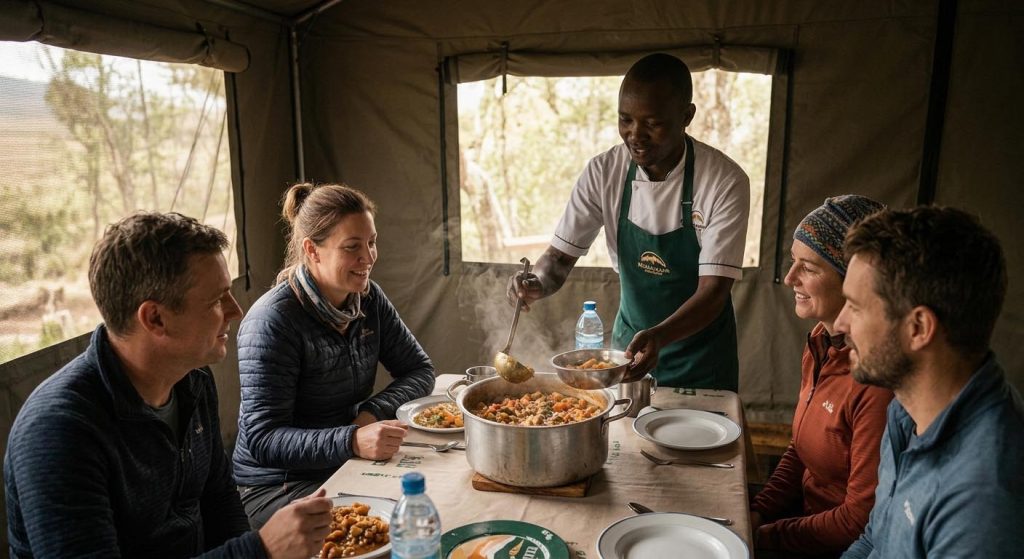
This means park fees, camping fees, rescue fees, all meals on the mountain, drinking water, tents (sleeping and mess), a professional guide, cook, and porters. It should also include airport transfers and hotel nights before and after the climb. Always ask for an itemized list, especially if you’re hunting for an affordable Lemosho trek.
What’s often excluded? Tips for your crew (a significant budget item of $250-$350), rental gear (sleeping bags, trekking poles), travel insurance, visas, and flights. Knowing this upfront lets you budget accurately, without last-minute surprises.
Tell us what you have in mind and we’ll build you a free, no-pressure itinerary with honest pricing — planned by a local team that runs these trips every day, ensuring an affordable Lemosho trek is possible.
To understand Lemosho’s value, stack it against the other popular paths. Machame is the closest competitor, often called the “Whiskey Route.”
Both Lemosho and Machame are scenic and have similar high success rates on their longer itineraries. The main difference is the start point. Lemosho begins on the less-traveled west, offering more solitude initially. Machame is more crowded from day one. Lemosho is generally considered to have a slightly more gradual profile, which can benefit acclimatization.
Marangu is the cheapest major route because it uses huts instead of tents. But it’s also the shortest, has the lowest success rate, and is often described as less scenic. You trade cost for a much harder summit bid and a less immersive experience.
This is where you can be smart without being risky. Don’t just pick the lowest price. Look for operators who are transparent about their costs, their staff wages, and their safety protocols to ensure you get an affordable Lemosho trek without sacrificing safety or ethics.
Ask direct questions: What is your guide-to-client ratio? What is your summit success rate for the 8-day Lemosho? Are your porters KPAP certified (ensuring fair treatment)? An operator that answers these confidently is a better bet than a vague, cheap one.
Joining a scheduled group climb is the most effective way to reduce cost. You share guide services, porters, and transport. A spot on a group trek can be hundreds of dollars less than a private climb. If your dates are flexible, this is your best budget tool.
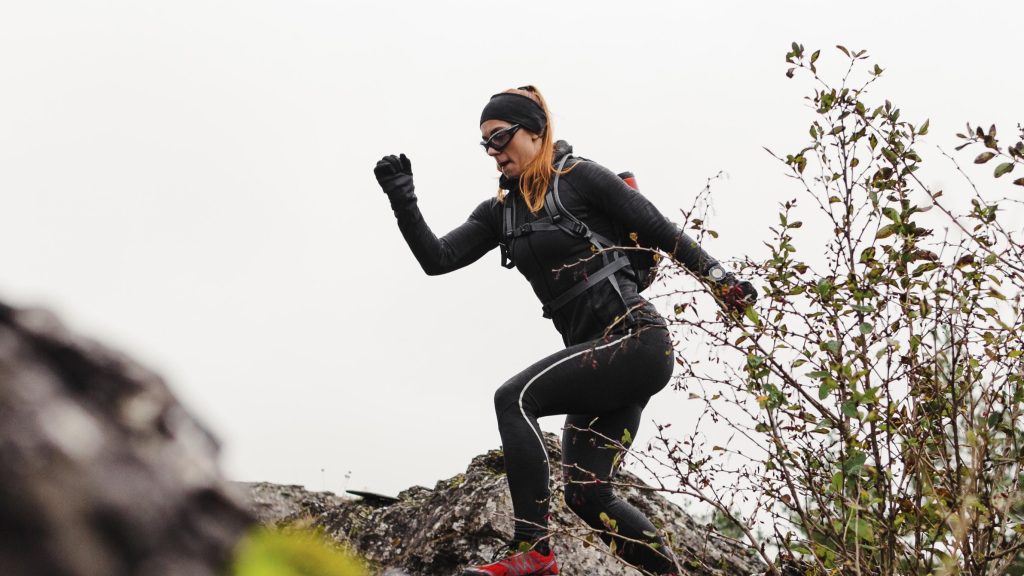
You can’t buy fitness. A common mistake is underestimating the physical demand. The Lemosho Route is a 70-kilometer trek over 8 days, with a summit night climb to 5,895 meters.
You need cardiovascular endurance and leg strength. Start training at least 3-4 months in advance. Mix long hikes with a pack, stair climbing, and gym work. The fitter you are, the more you’ll enjoy the scenery and the better you’ll handle the altitude.
The best training is hiking on trails, preferably on hills, with a loaded daypack. Getting your legs and lungs ready is free—and it’s the most important gear you won’t have to pack.

Gear rental can add $150-$300 to your trip. If you already hike, you might own much of what you need. The critical items are a warm sleeping bag (rated to -10°C), a quality down jacket, sturdy broken-in boots, and thermal layers.
Operators provide the big-ticket communal items: tents, sleeping mats, and a mess tent. Focus your budget on the personal gear that keeps you warm, dry, and comfortable. Good gear is an investment for this trip and future adventures.
Never try to save money on footwear or your sleeping bag. Blisters or a cold, sleepless night can ruin your climb and your summit chances. These are worth investing in or renting from a reputable source.
Your main extra cost will be tips (or “tips kitty”) for your crew. This is a standard part of the climb culture. Budget around $250-$350 total, to be distributed among guides, cooks, and porters at the end of the trek.
Other on-ground costs are minimal if your package is all-inclusive. You might want a little cash for a celebratory beer, souvenirs, or extra snacks. But your main expenses are taken care of from the moment you’re picked up.
So, a realistic total budget includes the climb package ($2,600+), crew tips ($250-$350), gear rental (if needed, $150-$300), travel insurance, flights, and a Tanzanian visa ($50 for most nationalities). Run this math upfront to avoid sticker shock when using this Lemosho Route Budget Guide.
If this is your first high-altitude trek, Lemosho is arguably the best choice. Its longer duration and gradual profile are designed for success.
You get more time to adapt, more time to learn from your guides, and more time to soak in the incredible landscapes transitioning from rainforest to alpine desert to arctic summit. It’s a journey, not just a climb. For a first-timer, that experience is worth every penny—especially if you’re looking for an affordable Lemosho trek.
The extra day means you’re less exhausted. You’ll have the mental and physical energy to appreciate the Milky Way from Shira Plateau, the sunset from Barranco Wall, and the achievement of standing on the Roof of Africa. That’s the real value.
Yes, its longer 8-day itinerary provides a more gradual ascent profile and includes specific acclimatization hikes. This significantly increases summit success rates compared to shorter routes.
Budget between $250 to $350 total for the entire crew. This is a standard expectation and is divided among guides, cooks, and porters based on their roles.
Yes, operators offer a 7-day itinerary. However, it sacrifices an acclimatization day, which lowers summit success odds. For most, the 8-day climb is strongly recommended.
Gear rental is a common extra cost. If you need to rent critical items like a sleeping bag, warm jacket, and poles, it can add $150-$300 to your budget.
It’s a strenuous but non-technical trek covering about 70 km over 8 days. The challenge comes from the altitude, not climbing skill. Good fitness and preparation are essential.
Yes, especially at the start. Lemosho begins on the remote western side of Kilimanjaro, so the first few days are quieter than the busier Machame route.
A proper package includes all park fees, camping fees, meals, drinking water, tents, guide and porter services, and airport/hotel transfers. Always request a detailed list.
Temperatures at the summit (5,895m) can drop well below freezing, often between -5°C to -15°C (23°F to 5°F). A high-quality, cold-weather sleeping bag and down jacket are mandatory.
The driest and clearest periods are from late June to October and from December to early March. These months offer the best chance of good weather and views.
Look for transparency on costs, fair staff wages (KPAP certification is a good sign), clear safety protocols, and a published summit success rate for their 8-day Lemosho climbs.
By using this Lemosho Route Budget Guide, you can achieve an affordable Lemosho trek that doesn’t sacrifice safety or experience. Make informed choices, ask the right questions, and balance smart savings with what truly matters. With the right planning, the views and memories of Kilimanjaro are well within reach.