
You stand on a gentle rise in the Serengeti, a cup of hot coffee warming your hands against the crisp dawn. Below you, the savannah is a pale gold, slowly stretching awake. In the distance, a line of wildebeest, so long it seems stitched to the horizon, moves with a slow, ancient rhythm. This is the classic, iconic safari dream. Now, picture a different morning: the air is humid and earthy as your guide steers through a quiet riverine forest in the Selous. A fish eagle’s cry echoes off the water; you watch hippos yawn in a sun-dappled lagoon, with not another vehicle in sight. This, too, is Tanzania. The question of choosing between Tanzania’s northern or southern safari circuit is the first and most important choice you’ll make, and it shapes everything—from the wildlife you’ll see to the feel of the journey itself. Let’s walk through this Tanzania safari comparison together, honestly and clearly.
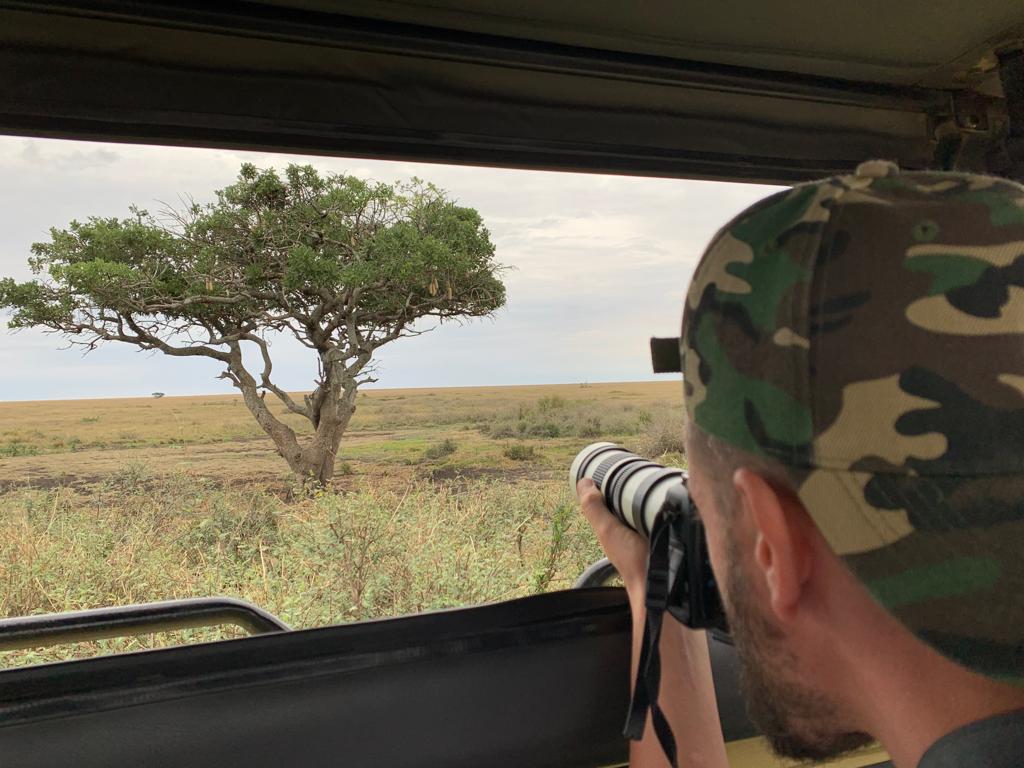
Think of it not as better or worse, but as two distinct personalities for your journey. The Northern Circuit is the grand, world-famous spectacle. It’s built around iconic names: the vast, endless plains of the Serengeti, the wildlife-packed caldera of the Ngorongoro Crater, the tree-climbing lions of Lake Manyara, and the elephants of Tarangire. It has higher visitor numbers and more vehicles, but it delivers a profound sense of scale and the raw drama of events like the Great Migration. The Southern Circuit is the quieter, more intimate sibling. Parks like Selous (now Nyerere) and Ruaha are vast, wild, and remote. They offer exclusive, unhurried game viewing—often just you and the animals—with a focus on boating safaris, walking safaris, and a sense of pioneering discovery. Your choice here isn’t just about parks; it’s about the rhythm you want. Do you crave the iconic, cinematic energy, or a deeper, more solitary immersion?
This is the most common question, and the answer is nuanced. Yes, the Northern Circuit’s Serengeti and Ngorongoro are renowned for high wildlife density. The concentration of animals in the Crater can feel staggering. The Great Migration, with its river crossings of over a million wildebeest and zebra, is a phenomenon of scale unmatched anywhere. But “density” doesn’t mean “guaranteed.” Wildlife is wild. A lion pride may be around the next bend, or they may be deep in a ravine, unseen. The Southern Circuit’s magic is different. In the immense wilderness of Nyerere or Ruaha, you may see fewer vehicles, but you are also more likely to have a sighting all to yourself for an hour, watching a leopard in a tree with no one else around. The game viewing feels more like a discovery you’ve made, not a spectacle you’ve joined. It’s a more patient, rewarding style. For many, this highlights a key part of a Tanzania safari comparison.
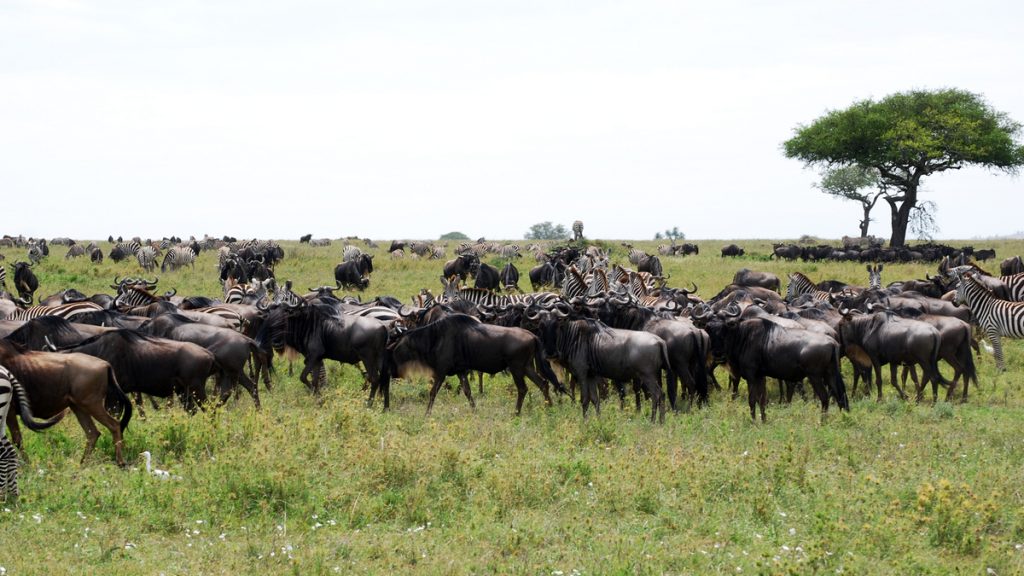
This gap in information is crucial. Your timing changes everything. For the Northern Circuit safari, the dry seasons (June-October and late December-March) are prime. Wildlife clusters around waterholes, the grass is low for better viewing, and the weather is pleasant. The Great Migration’s river crossings typically occur in the Grumeti (May-July) and Mara (July-October) areas, but this is a natural event, not a show on schedule; sources often disagree on exact timings. The green season (November-May) brings lush landscapes, newborn animals, and fewer crowds, but afternoon rains can make some roads challenging. For the Southern Circuit safari, parks like Nyerere and Ruaha are best visited in the dry season (June-October), when animals congregate along the Rufiji and Great Ruaha Rivers. The green season can be beautiful but some areas become inaccessible. Never let anyone promise you perfect weather or precise migration sightings—a good guide maximizes the opportunities each season presents.
Let’s talk plainly about money, a topic often glossed over. Safaris are a significant investment, and understanding what you’re paying for is key. Prices vary widely based on season, lodge standard (luxury tented camp vs. standard lodge), and park fees. Generally, the Northern Circuit safari tends to be more expensive per day. This is due to higher park fees (especially for the Serengeti and Ngorongoro Crater), greater demand, and the cost of logistics in a busier region. The Southern Circuit safari can offer slightly better value, particularly for remote, exclusive camps, but getting there often requires pricier charter flights instead of road transfers. Your quoted price should clearly include: park entry fees, conservation fees, full-board accommodation, game drives in a private 4×4, professional guide, and often drinks. It typically excludes international flights, tips, premium drinks, and sometimes internal flights. Always ask for a breakdown. If you are comparing a Northern Circuit safari to a Southern Circuit safari, this cost difference is important to evaluate.
A smooth trip is a safe trip. Health-wise, you’ll need a yellow fever vaccination certificate and should be up-to-date on routine vaccines; anti-malarial prophylaxis is strongly recommended for all circuits. Pack strong sunscreen, a wide-brimmed hat, and neutral-colored clothing. Safety on safari is excellent when you follow your guide’s instructions—always stay in the vehicle unless they say it’s safe. Logistically, Arusha is the essential basecamp for the Northern Circuit, a bustling town where you’ll likely start and end. For the South, you usually connect via Dar es Salaam. Roads in the North can be bumpy and dusty; it’s part of the adventure. In the South, charter flights between remote camps are common. Travel insurance that covers medical evacuation is non-negotiable. These practicalities aren’t glamorous, but attending to them lets you relax into the wonder.
Your choice has an impact. Responsible travel means choosing operators who prioritize more than just your sighting list. Look for companies that are transparent about their practices. Ask about guide standards: are they certified by the Tanzanian government, with deep local knowledge and a passion for conservation? Inquire about camp practices: do they minimize plastic, manage waste responsibly, and source food locally? If your trip includes a Kilimanjaro climb or trek with porters, ask specifically about porter welfare policies: fair wages, proper equipment, weight limits, and medical care. Support businesses that invest in their communities. Choosing ethically ensures the wilderness and its people thrive for generations to come, and it makes your experience far more meaningful.
Let’s give these famous names some texture. In the North: Serengeti is vastness itself, a sea of grass where the Migration plays out. Ngorongoro Crater is a world in a bowl, with dense populations of lions, elephants, and rhinos. Tarangire is the land of baobabs and massive elephant herds, especially in the dry season. Lake Manyara offers a compact, lush forest home to tree-climbing lions and flocks of flamingos. In the South: Nyerere National Park (formerly Selous) is one of Africa’s largest protected areas, a maze of channels and lakes perfect for boating and walking safaris. Ruaha National Park is wild, rugged, and famous for its large predator populations and dramatic baobab-dotted landscapes. Each park has its own character; a great itinerary lets you breathe it in. Comparing these parks is a practical part of any Tanzania safari comparison.
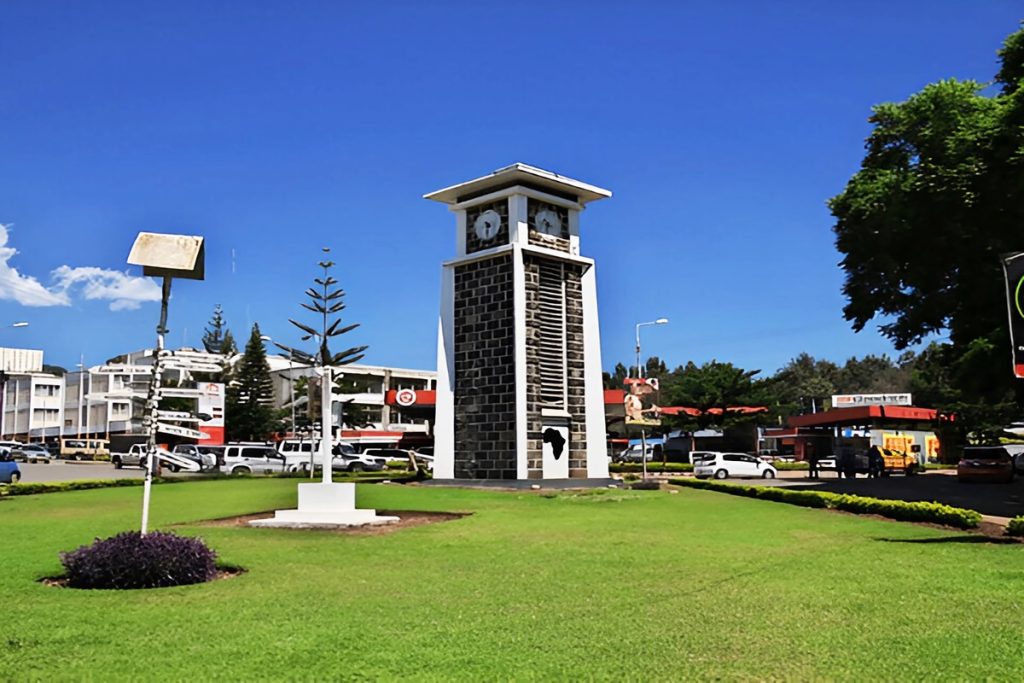
For Northern Circuit travelers, Arusha isn’t just a transit point; it’s the launchpad. You’ll likely spend a night here on either end of your safari, and it’s worth embracing. It’s a lively, often chaotic town nestled in the shadow of Mount Meru. Use your time here wisely: visit the vibrant Central Market for a burst of color and local life, or the Cultural Heritage Centre for quality crafts. This is where you’ll meet your guide for a full briefing, a critical moment to ask final questions. It’s also where you can buy any last-minute essentials. While it lacks the serenity of the bush, Arusha offers a genuine, unfiltered taste of Tanzanian urban energy. See it as the first chapter of your adventure.

This is a classic and brilliant combination, answering a clear intent from travelers. After the dust and exhilaration of the bush, the white sands and turquoise waters of Zanzibar offer the perfect counterpoint. The logistics are straightforward: from the Northern Circuit, you fly from Arusha or the Serengeti to Zanzibar. From the Southern Circuit, you typically connect via Dar es Salaam. A typical split might be 5-7 days on safari and 3-5 days on the island. In Zanzibar, you can explore the labyrinthine streets of historic Stone Town, relax on the northern beaches like Nungwi, or snorkel in the clear waters of Mnemba Atoll. It’s two vastly different worlds within one unforgettable trip, blending wild adventure with pure relaxation.
So, how do you choose? Let’s make it practical. Choose the Northern Circuit if: your dream is built around iconic scenes like the Serengeti plains and Ngorongoro Crater; you want to witness the scale of the Great Migration (with an understanding of its unpredictability); you prefer a mix of dramatic, well-known landscapes; and your budget can accommodate higher park fees. Choose the Southern Circuit if: you value solitude and having landscapes largely to yourself; you’re excited by the idea of walking safaris and boat trips as part of your game viewing; you seek a more remote, pioneering feel; and you appreciate slightly better value for exclusive camps. Both offer profound, life-changing wildlife experiences. The right choice is the one that aligns with your personal travel rhythm. No single Tanzania safari comparison can choose for you.