
Your adventure begins before dawn on a budget camping safari in Tanzania, tucked inside a warm sleeping bag. The air feels cool, carrying hints of damp earth. Beyond your tent’s thin canvas, you might hear the last, deep-throated whoops of a hyena fading away, replaced by the first tentative songs of waking birds. This is the magic hour—the honest, exhilarating pulse of the wilderness that isn’t about luxury, but the true feeling of being present, right at its heart. This guide isn’t designed to sell illusions; it’s here to reveal the real path to exploring the Serengeti, Ngorongoro, and Tarangire on a budget that respects both your wallet and the wild itself.
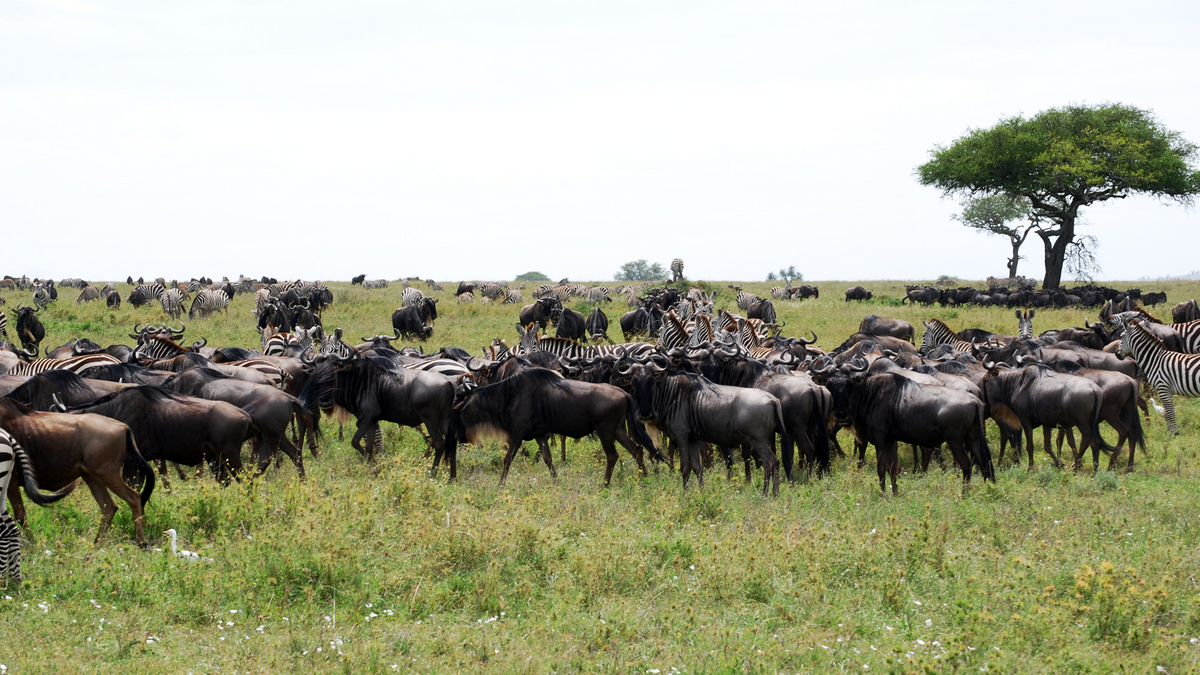
Five days isn’t endless, but it is a carefully carved window into a world in constant motion. This journey offers a sampler of staggering variety. In Tarangire, you’ll see ancient baobabs and roaming elephants stirring up red dust. The next day, you could find yourself on the rim of Ngorongoro Crater, looking down into a lost world where lions, rhinos, and flamingos gather in one volcanic bowl. Then comes the Serengeti, its vast sea of grass stretching to the horizon and broken by rocky kopjes. Wildlife sightings on a Serengeti camping safari are moments of wonder, not a checklist. You may spend an hour with a leopard draped over an acacia branch or, if your timing is right, witness a million wildebeest in the Great Migration’s chaotic flow. Research suggests your chances of seeing iconic species in peak seasons—July to October—are high, yet nothing is guaranteed. Wildlife is wild; that’s the point. The best guides read the tracks and listen to the bush, turning your five-day window into a story you won’t forget.
“Budget” can sound vague or even worrying. Let’s clarify what you can expect. For a 5-day camping safari across these three renowned parks, most operators list packages in the $800–$1,200 per person range. The variance depends heavily on the season (with migration season seeing higher rates), group size, and each operator’s standards. What matters most is what’s included. Any proper Ngorongoro budget safari package should cover all national park and crater service fees, all meals from lunch on your first day to breakfast on your last, camping fees, and transport in a modified 4×4 safari vehicle with a pop-top roof. You’ll also have a licensed driver-guide and drinking water provided. Usually not included: tips for your guide and camp crew, personal gear like sleeping bags, travel insurance, flights to Tanzania, visas, and alcoholic drinks. Seeing the real breakdown—with all fees and extras separated—is the first step toward a smooth, stress-free adventure.
Forget festival tents—your mobile safari camp is built for practical comfort. The often unsung hero, your safari cook, and crew arrive ahead to set up. You’ll sleep in a sturdy walk-in dome tent, usually with a simple mattress or camp bed. Shared bathrooms are set in separate block tents, featuring chemical toilets and bush showers, which are bags of water warmed in the sun. While basic, it’s clean and functional. Nights fill with distant sounds, and mornings greet you with fresh air. You might share established public campsites like Simba A in the Serengeti with other operators, or enjoy a more private spot. Semi-permanent options like Tukaone Serengeti Camp add a touch of stability. The magic comes not from fancy thread count, but from sipping coffee as the sun colors the savannah—knowing you’ve slept right in the heart of it all.
Packing incorrectly can chill your spirits faster than a sudden downpour. This is not a style contest—it’s about smart layering and readiness. Bring a soft-sided duffel bag (hard suitcases are troublesome in safari vehicles). For clothes, choose “safari neutral” colors—khaki, green, and brown—and skip dark blue or black, as these attract tsetse flies. Cotton feels comfortable but dries slowly; technical fabrics or merino wool are better. You’ll need a warm fleece or down jacket for chilly mornings and crater rim evenings, and a wide-brimmed hat for intense midday sun. A strong headlamp is crucial for camp navigation at night. Your own 3-season sleeping bag and compact travel pillow bring extra comfort. Binoculars—your best gadget—turn distant specks into close encounters. Don’t forget a reliable power bank, as camp charging is often limited.
Nearly all northern circuit safaris begin and end in Arusha. It’s more than just a point on the map—it’s your key logistical hub. Most arrive via Kilimanjaro International Airport (JRO) or Dar es Salaam’s Julius Nyerere International Airport (DAR). JRO is about an hour’s drive from Arusha, while from Dar you’ll need a domestic flight to Arusha Airport (ARK). In town, you’ll meet your guide, get your pre-safari briefing, and pick up any needed items. Arusha sits at the heart of it all: Tarangire National Park is about two hours southwest, Ngorongoro Conservation Area is roughly three hours away, and Serengeti’s main gate is a further drive beyond that. Arusha is your calm before the wild—where you catch your breath before the beauty and adventure begin.
The true cost of a safari goes beyond price—think about your impact on the land and people. “Budget” should never mean compromising on ethics. Look for Serengeti camping safari companies that are open about their ethics. While KPAP certification is for trekking firms, its values are a good guide. Does your company offer fair wages and quality equipment to staff? Do they partner with local communities or support conservation? Many trusted operators work with village-run campsites or cultural tourism programs, helping your money directly benefit locals. By asking these questions before booking, you help travel responsibly and make a positive difference.
Game drives provide the heart of your Serengeti camping safari, and your approach makes all the difference. The golden rule: begin early, as animals are most active in the morning’s cool. Aim to reach the gate as it opens, bringing breakfast to enjoy on the plains. Patience is your strongest asset. Rather than racing from sighting to sighting, choose a promising spot—a waterhole or a shady riverbank—and wait quietly. Watch impalas’ ears for alarm, or listen for birds’ calls. The bush shares its secrets with those who linger. Communicate with your guide. Share your goals, but trust their experience—they read the land like a story. Remember, unique moments may be subtle: a giraffe’s step or a dung beetle’s determination can prove just as memorable as the dramas of big cats.
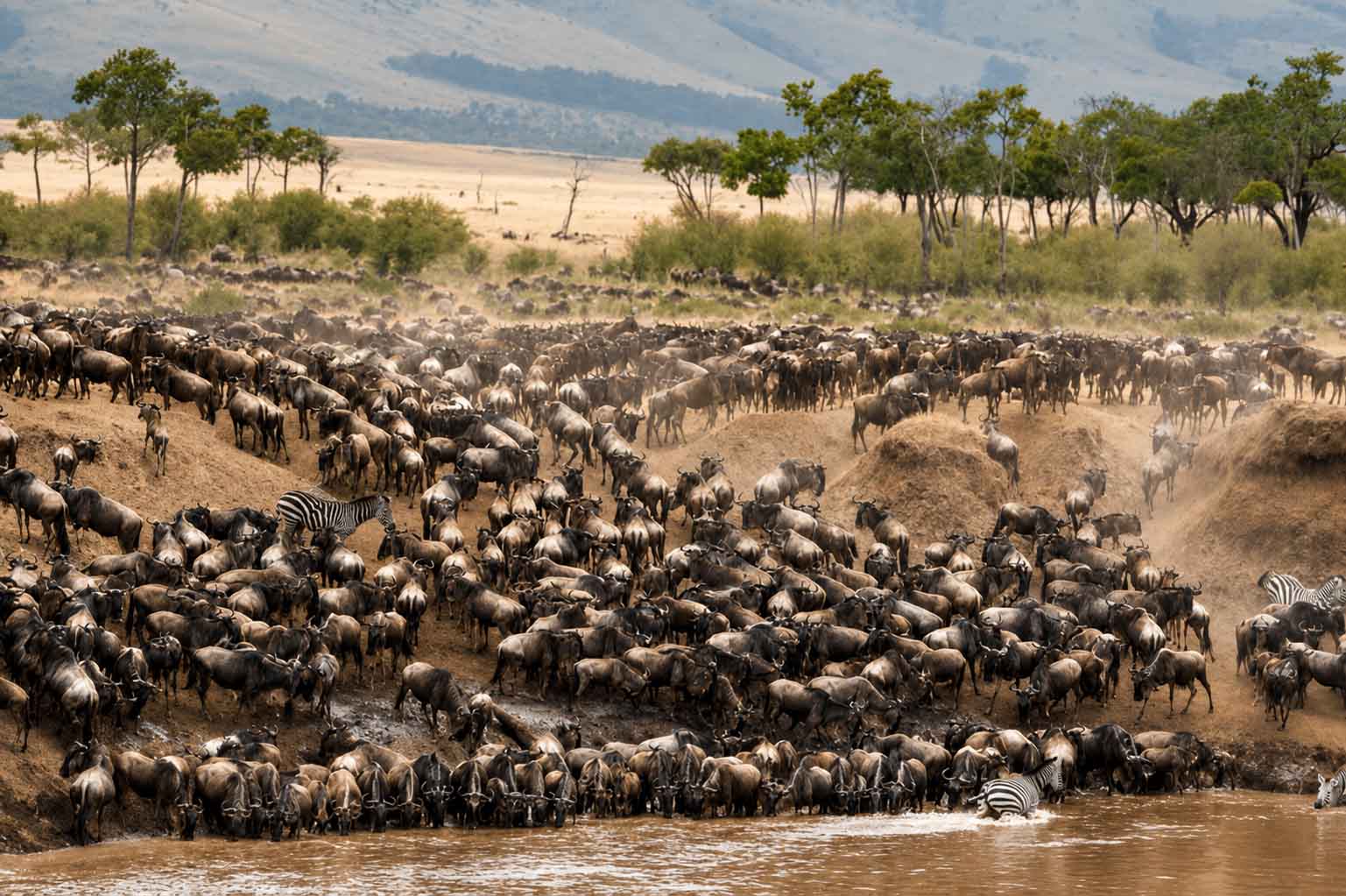
The season you choose shapes your whole experience. The dry season (June to October) is classic safari time: sparse vegetation, animals at water sources, and clear sightings. It’s also peak season for the Great Migration river crossings in the northern Serengeti, though herds move with the rain, not a set calendar. The green season (November to May) brings its own appeal: lush scenery, newborn animals, fewer tourists, and lower prices. Heavy rains in April and May make some roads tough. For a 5 day Tanzania budget safari, the dry season brings the most predictable wildlife watching. Yet if you’re drawn to vivid skies, birdlife in bright plumage, and solitude, the green season is a beautiful, budget-friendly secret.
You’ve read the facts—now it’s time to plan. Start by shortlisting 3–4 operators for your 5 day Tanzania budget safari covering Tarangire, Ngorongoro, and Serengeti. Seek recent, independent reviews on travel forums rather than only company testimonials. Then, reach out to operators. A trustworthy company responds promptly and answers questions about vehicle conditions, guide experience, meal plans, and campsites. Ask for a detailed, itemized quote. Once you’ve chosen, book your international flights, ensuring at least one night in Arusha before your safari starts. Confirm vaccinations, buy comprehensive travel insurance (including medical evacuation), and pack your duffel. The last step is the easiest: arrive with an open mind and a sense of wonder. Your focus keyword adventure is waiting.
“`