
Planning your dream Serengeti safari for 2026 and wondering about the 3 Days Serengeti Migration Price you’ll really pay? You’re not alone. The prices you see online can be confusing—some seem too good to be true, others shockingly high. As a local expert who runs these trips daily, I’m here to cut through the noise. Let’s talk real numbers, seasonal timing, and what truly makes up the cost of your three-day migration adventure.
When you see a price like $850 per person, your first question should be: what’s included? The difference between a budget and a premium safari isn’t just the bed you sleep in; it’s the hidden park fees, the quality of your guide, and the vehicle you’ll spend hours in each day.
A genuine all-inclusive price covers park entry fees (a major cost), conservation fees, accommodation, all meals, drinking water, and a professional guide with a 4×4 safari vehicle. What’s often not included are tips, travel insurance, and sometimes flights from Zanzibar or Arusha.
The per-person cost drops significantly with more people sharing the vehicle. A private safari for two will be your most expensive option per person. If you’re a solo traveler, expect to pay a single supplement or join a group tour to share costs.
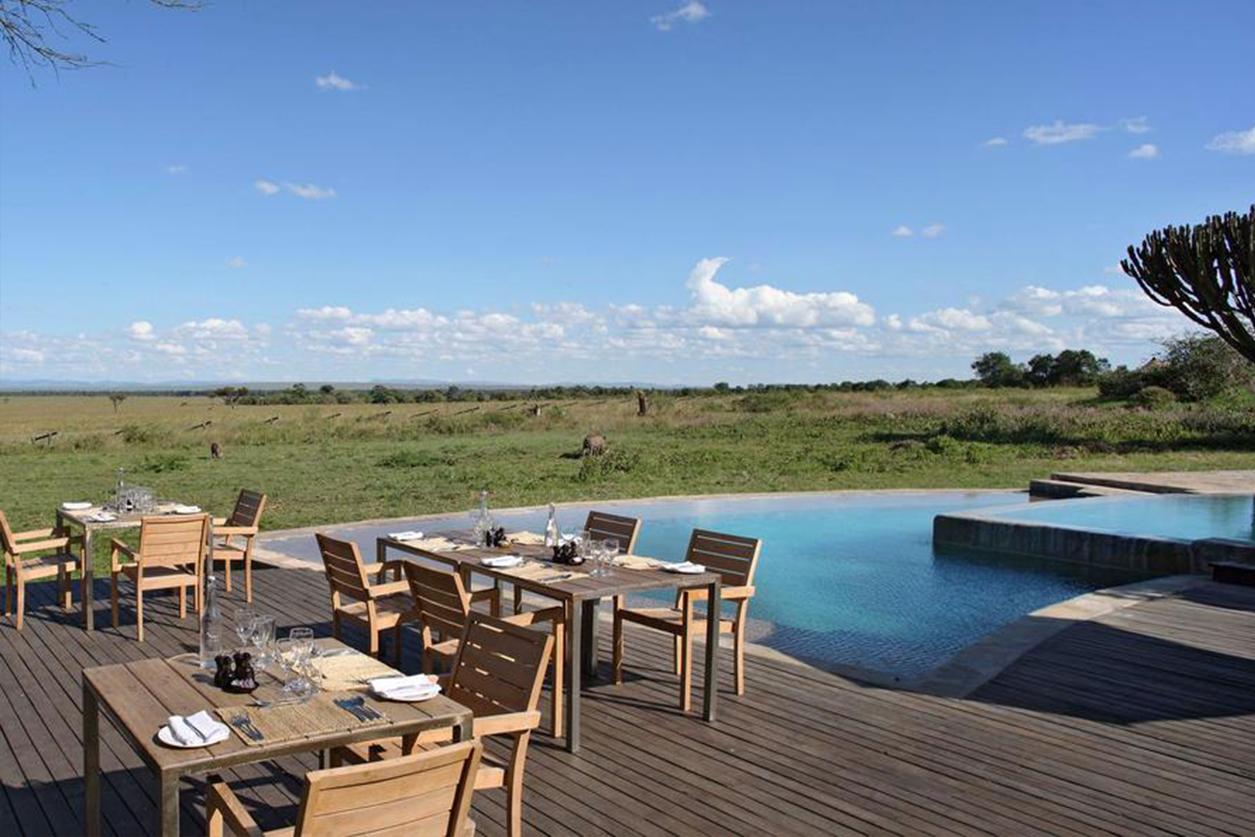
Your choice of accommodation is the single biggest factor in your budget. For a 3-day migration-focused safari, you’ll generally find two distinct price tiers.
The camping safari tier, which includes assisted camping with tents, mattresses, and a cook, typically ranges from $850 to $1,250 per person. This is an authentic, immersive, and excellent value option for those seeking a lower Serengeti safari cost per person.
The luxury private safari tier, staying in permanent tented camps or lodges, starts at around $500 per person, per day. For a 3-day trip, this means a baseline of roughly $1,500 per person and can go much higher depending on the exclusivity of the camp.
A classic 3-day migration circuit focuses on the Southern Serengeti and Ngorongoro Crater. You’ll typically fly or drive from Arusha to the Serengeti, spend two full days tracking the herds in the Ndutu region, and dedicate your third day to the unparalleled game viewing in the Ngorongoro Crater before returning.
Every minute is accounted for: early morning game drives when predators are active, midday breaks at camp, and late afternoon drives until sunset. It’s a packed, efficient schedule designed to maximize wildlife viewing in a short time.
A great guide is priceless. They know where the migration was yesterday and where it’s likely headed today. This local knowledge is what turns a simple drive into a front-row seat to nature’s greatest show, and it’s a core part of what you’re paying for.
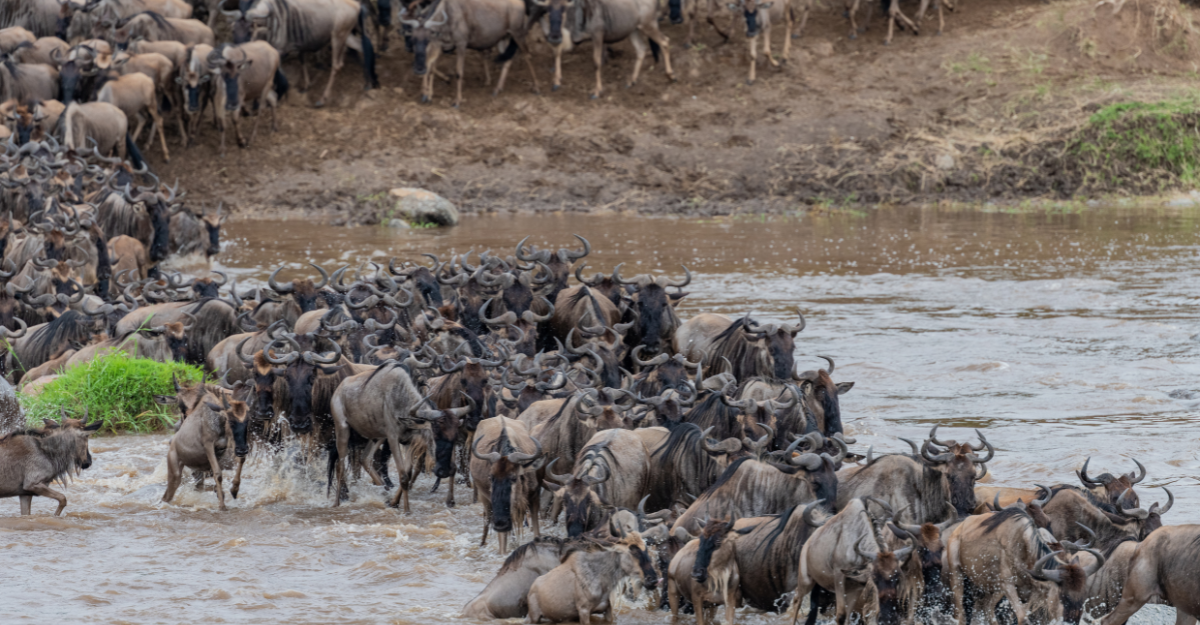
If you want to see the Great Migration on a 3-day trip, timing is everything. The migration is a continuous, year-round movement, but for the classic river crossings, you need to be in the right sector at the right time.
For the Southern Serengeti and Ndutu area—the ideal setting for a short safari—the prime window is from late December through March. This is when the herds gather for the calving season. The wildebeest are typically in the Western Corridor and Grumeti River from May to July, and in the Northern Serengeti and Mara River from August to October.
For 2026, you should be looking to book your preferred camps and operators at least 8-12 months in advance, especially if you aim to travel during the peak calving or river crossing seasons. This secures both availability and often a better price—especially important if you are targeting the Serengeti migration safari price January for the calving spectacle.
Tell us what you have in mind and we’ll build you a free, no-pressure itinerary with honest pricing — planned by a local team that runs these trips every day.
To avoid surprise costs, you need a clear breakdown. A reputable operator will provide this upfront. All park fees, which can be over $70 per person per day, should be included. All meals, from breakfast at dawn to dinner under the stars, are covered. Unlimited drinking water in the vehicle is standard.
Common exclusions are alcoholic drinks, souvenirs, visas, and gratuities for your guide and camp staff. Budget an additional $25-$40 per day for tips, depending on your group size and satisfaction with the service.
A private safari means the vehicle, guide, and itinerary are exclusively yours. You leave when you want, stay at a sighting as long as you like, and have complete flexibility. This comfort and freedom come at a premium compared to joining a group.
Joining a group is a fantastic way to reduce cost and meet fellow travelers. The itinerary and pace are fixed, but you still get the same wildlife experience. This option is often perfect for solo travelers or couples on a tighter budget looking for a lower Serengeti safari cost per person.
The price difference isn’t just about privacy; it’s about customization. A private tour can adjust the route daily to follow migration news, while a group tour follows a set plan. Decide what’s more valuable for your trip.
Starting your safari from Zanzibar is a popular and logistically smooth option. It involves a short, scenic flight from Zanzibar to the Serengeti’s airstrips (often via Arusha). This saves you a full day of driving on rough roads.
This convenience adds to the cost. You must factor in the return flight from Zanzibar, which can add several hundred dollars to your total package price. However, for a 3-day trip, it’s often a worthwhile investment to maximize your time on the ground.
Your choice of operator affects more than your holiday. Look for members of the Tanzania Association of Tour Operators (TATO) or similar bodies. Ask about their staff welfare policies—are guides paid fair wages, provided good accommodation?
A responsible operator will also have clear safety protocols, well-maintained vehicles with working seatbelts, and communication systems. This ethical backbone might not be the cheapest option, but it ensures a safer, more sustainable, and higher-quality experience.
Don’t hesitate to ask direct questions: What is your guide-to-guest ratio? Can I see a recent vehicle safety certificate? What is your policy on single-use plastics? The answers will tell you everything.
Even for three days, packing right is crucial. You’ll need layered clothing for cool mornings and hot afternoons. Neutral colors (khaki, green, beige) are best for blending in. A warm fleece is essential for early game drives, especially in open vehicles.
Absolutely must-haves include high-SPF sunscreen, a wide-brimmed hat, quality binoculars (one per person is ideal), and a good camera with a zoom lens. Don’t forget your charging banks, as power in camps can be limited.
With all this information, your decision about the 3 Days Serengeti Migration Price becomes clearer. First, lock in your travel dates based on the migration calendar. Second, set a realistic budget that includes a buffer for tips and extras. Third, prioritize what matters most to you: absolute privacy, specific luxury accommodation, or perhaps maximizing wildlife photography time.
Finally, reach out to 2-3 reputable operators with your dates and preferences. Compare their detailed quotes, not just the bottom-line price, but the inclusions, accommodation names, and vehicle descriptions. This careful comparison is the final, most important step in getting the best Serengeti migration safari price January, especially for peak calving season trips.
For the Southern Serengeti (Ndutu), aim for January to March for the calving season. For the Northern Serengeti river crossings, target August to October. Your choice depends on which part of the migration spectacle you wish to see and your ideal Serengeti migration safari price January.
Yes, this is a realistic starting point for an all-inclusive, budget camping safari. Ensure the quote explicitly includes all park fees, meals, transport, and guide services to confirm it’s a true all-inclusive price and reflects the Serengeti safari cost per person.
Luxury tented camps or lodges start at approximately $500 per person, per night. Therefore, a 3-day luxury safari typically begins around $1,500 per person and increases based on the camp’s exclusivity and location.
Absolutely. You’ll take a morning flight from Zanzibar to an airstrip in the Serengeti, meet your guide, and begin your safari. The return flight is usually on the afternoon of your third day. Flights are an additional cost to the core safari package.
Typically, tips for your guide and camp staff, alcoholic and premium beverages, travel insurance, visa fees, and personal shopping are not included. Always confirm the specific exclusions with your operator.
If flexibility, privacy, and a customized itinerary are high priorities, then yes. For families or photography-focused groups, the ability to control the vehicle’s pace and position is often worth the investment.
Check for membership in professional associations like TATO. Ask about their guide employment terms, vehicle maintenance schedules, and conservation contributions. Transparent operators are happy to answer these questions.
Plan for $25-$40 per day, per group, to be distributed among your guide, spotter, and camp staff. Tipping is discretionary but standard, based on the quality of service.
Reputable operators include all mandatory government fees. These include the Serengeti and Ngorongoro park entry fees, vehicle fees, and the crater service fee. Your quote should list them as included.
To secure the best camps and guides for prime migration seasons, aim to book 8 to 12 months in advance. This is especially critical for travel during December-March or July-October if you are seeking the best 3 Days Serengeti Migration Price.
“`