
Picture this: It’s just before dawn, and a cool breeze whispers through the acacia trees. In the distance, the low rumble of a lion’s roar travels across the endless plains. You’re bundled in a fleece, steaming coffee in hand, perched in a safari vehicle on a dusty track. This isn’t a movie scene; it’s your first morning on the Serengeti, and you’re about to discover what makes the Serengeti the ultimate focus keyword for wildlife adventures. For first-time travelers, the sheer scale of it all can feel overwhelming. But here’s the truth: a truly incredible safari isn’t about checking boxes on a list; it’s about understanding the rhythm of this wild place, knowing what to realistically expect, and planning the journey that fits your dream. Let’s move beyond the simple animal lists and into the honest, practical heart of a Serengeti adventure.
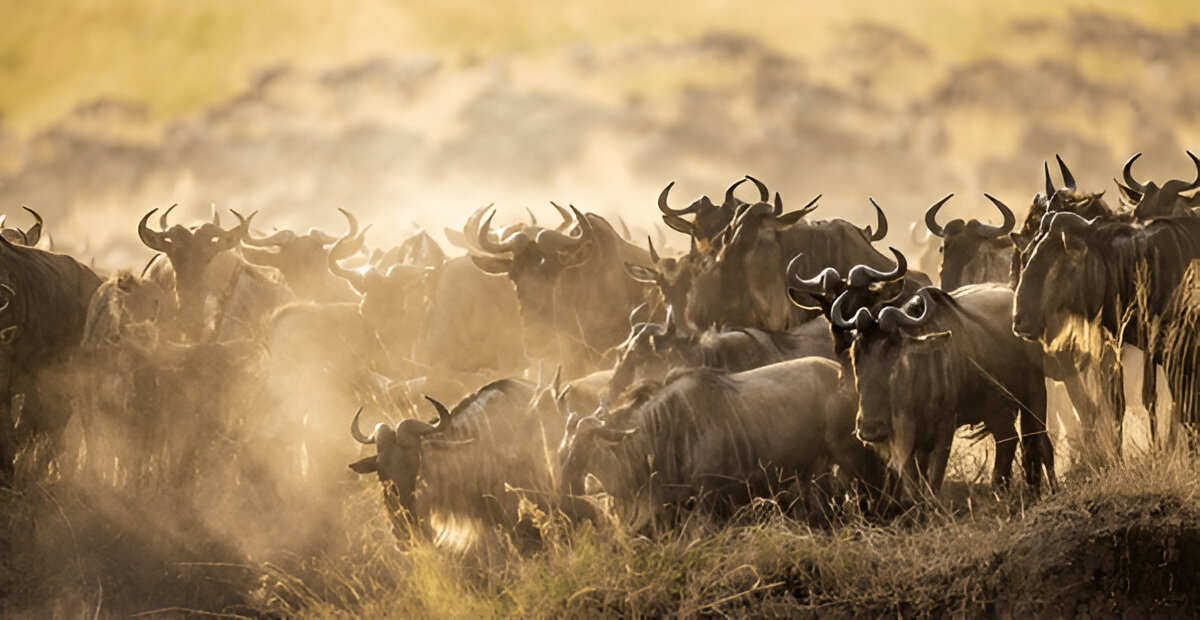
Forget the idea of a single “best” month. The Serengeti is in constant, majestic motion. Its year is defined by the search for water and fresh grass, a cycle that dictates where you’ll find the greatest wildlife spectacles. The famed Great Migration is a year-round, clockwise circuit of over a million wildebeest and zebra, but its timing is fluid—nature’s schedule, not a tour operator’s. Sources disagree on exact dates, as rains can be early or late. Generally, the herds are in the Southern Serengeti and Ndutu area from late December through March, a period marked by calving season, where the plains are dotted with vulnerable newborns and consequently, heightened predator activity. By late spring, the mega-herds begin their perilous northward trek, converging in the Western Corridor by June for the dramatic, chaotic river crossings into Kenya’s Maasai Mara. From August to October, they spread across the northern Serengeti, before the short rains beckon them south again in November. Your experience isn’t defined by simply “seeing the migration,” but by which chapter of this epic story you choose to witness. The timing not only shapes the landscape but also the nature of wildlife viewing Serengeti offers at different moments of the year.
Yes, the Serengeti is home to the legendary Big Five—lion, leopard, elephant, buffalo, and rhino. But fixating solely on that list is like reading only the chapter titles of a great novel. The “Big Nine” expands the story, adding the cheetah, giraffe, zebra, and hippo. These are the characters you’ll meet most days. Yet here’s the honest guide’s perspective: wildlife is wild. No ethical guide will ever guarantee a sighting. A rhino, for instance, is a rare and precious glimpse, not a certainty. Your thrill comes from the hunt itself—the tracker’s eye spotting a distant shape, the shared silence as a leopard emerges on a branch. A well-planned safari maximizes your chances by putting you in the right habitat at the right time of year, but the magic always lies in the unpredictable, authentic moment. To truly appreciate Serengeti animals, shift your focus from completion to immersion in the ecosystem’s unpredictable wonders.
How long do you need? Think of your safari in phases. A rushed two-night stay often means more time in transit than among the animals. For a first-time traveler, four to five nights within the Serengeti ecosystem allows you to absorb its pace and explore different regions. A classic and highly recommended routing combines the Serengeti with the Ngorongoro Crater. You might spend two nights on the Crater rim, descending for a full-day game drive into its unique, wildlife-rich caldera, before transferring into the Serengeti for three more nights. This pairing offers stunning contrast: the enclosed, garden-like world of the Crater and the boundless horizons of the plains. Logistics matter: travel between these areas is by road, on journeys that are adventures in themselves, offering cultural glimpses of Tanzanian life. The Serengeti ecosystem is vast, so choosing the right routing truly shapes your experience.
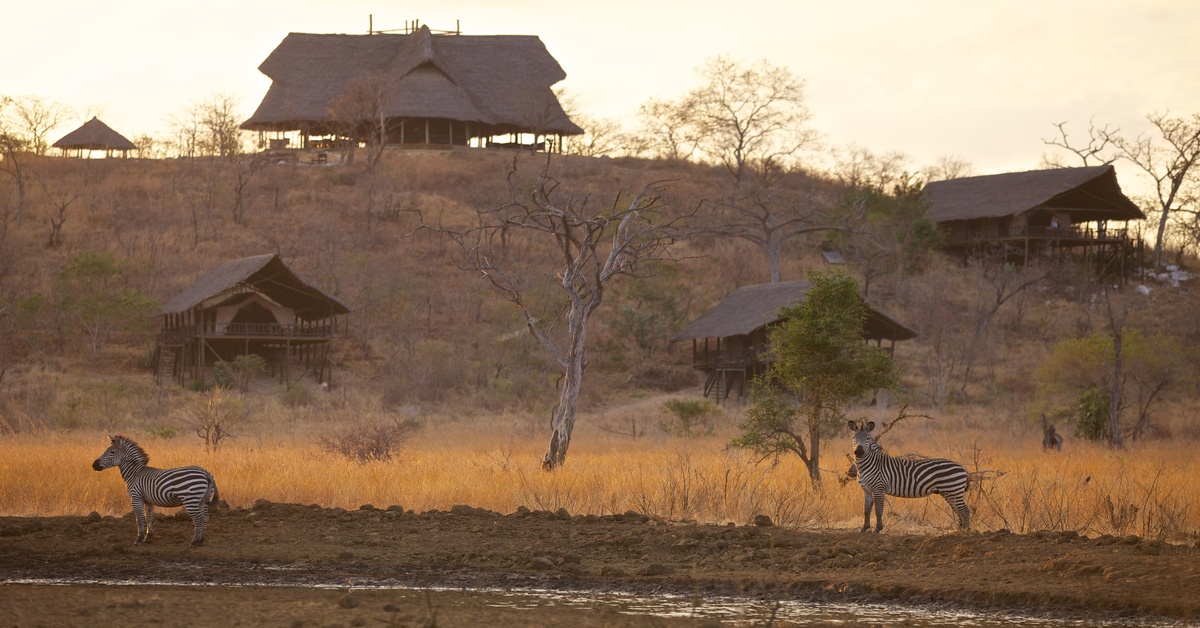
Where you sleep is part of the narrative. Your choices range from permanent lodges with solid walls and swimming pools to classic tented camps with canvas walls, proper beds, and ensuite bathrooms, to mobile camps that move with the migration. A luxury tented camp isn’t “roughing it”; it’s an immersive experience where you fall asleep to the symphony of the bush. Each style offers a different connection to the environment. Consider location as much as amenity: a camp in the remote Western Corridor places you at the river’s edge during crossing season, while a central Serengeti lodge might offer reliable wildlife viewing Serengeti is famous for year-round. Prices vary widely by season, lodge standard, and included services.
Your vehicle is your viewing platform, classroom, and dining room. Days start early, wrapped in layers for the cool morning drive. You’ll stop for a picnic breakfast in a scenic spot, spend the midday hours when animals are less active back at camp, and head out again in the late afternoon for the golden-hour light and rising wildlife activity. It’s a rhythm of patience and sudden excitement. A great guide won’t just chase big cats; they’ll explain the symbiotic relationship between a giraffe and an oxpecker bird, or how to identify different antelope species. The hum of the vehicle, the dust, the shared anticipation—this is the real pace of safari life. It’s not constant action; it’s the savoring of a vast, living landscape. Capturing the breadth of Serengeti animals is as much about observation as it is about patience and timing.
Your safety is paramount. Always follow your guide’s instructions: stay seated inside the vehicle, do not stand up or hang limbs outside. The animals view the vehicle as a single, large creature; breaking that silhouette can provoke curiosity or defense. Health-wise, the key considerations are malaria prophylaxis (consult your doctor), robust sun protection, and hydration. The African sun is intense, and dust is pervasive. Pack a wide-brimmed hat, high-SPF sunscreen, and a reusable water bottle. While luxury camps provide exceptional comfort, remember you are in a remote area—Wi-Fi can be limited, and power schedules may apply. This digital disconnection is part of the gift. To stay comfortable in the Serengeti ecosystem, prepare for both the wild and the occasional modern limitation.
An ethical safari is a richer one. It means choosing operators committed to conservation and fair employment for local staff. It means respecting animal welfare: maintaining a quiet distance, never pressuring your driver to get too close for a photo, and allowing natural behaviors to unfold. Your visit directly funds protection for these ecosystems. Ask questions when booking: Does the company support local community projects? Do they adhere to park rules on off-roading? Simple choices matter—using a refillable water bottle reduces plastic waste in remote areas. You are a guest in this wild home; traveling lightly and respectfully ensures it remains wild for generations to come. Wildlife viewing Serengeti in an ethical way protects both the animals and the unique character of this place.
Safari pricing can seem opaque. Your fee typically bundles park entry fees (which are substantial and go directly to conservation), vehicle and guide costs, accommodation, meals, and sometimes internal flights. The wide price range reflects variables: the luxury level of your lodges, the season (peak migration periods command higher rates), and the group size (private safaris cost more than shared). It’s an investment in an experience where logistics are complex and infrastructure is maintained against the elements. View it not just as a holiday cost, but as a contribution to the preservation of the very wilderness you’ve come to see. The Serengeti ecosystem relies on visitors to help fund its continued protection.
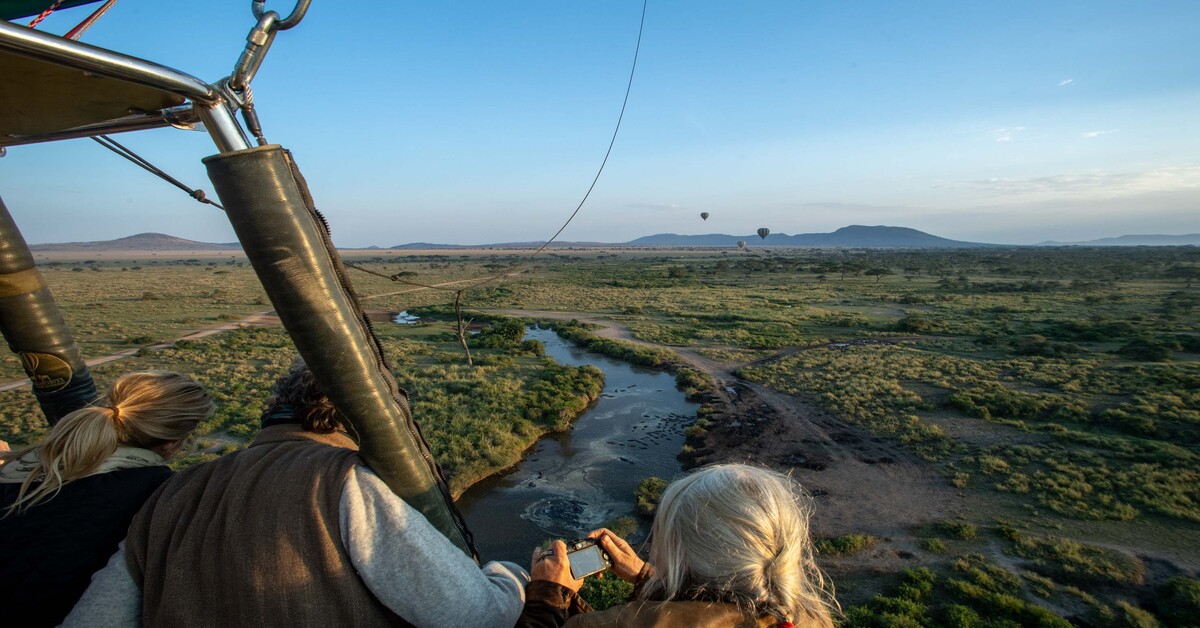
While the Serengeti offers the epic scale, the Ngorongoro Crater provides a concentrated, intimate counterpoint. Descending the steep forested walls into this 100-square-mile caldera feels like entering a lost world. It’s often described as a “natural zoo,” but it’s entirely wild. Here, you have an exceptionally high chance of seeing the Big Five in a single day, including the elusive black rhino. The crater floor’s swamps, forests, and lake create a mosaic of habitats. Combining these two destinations in one trip gives you the definitive Northern Tanzania safari experience—the boundless plains and the geological wonder, the great migration and the resident giants. For those focused on wildlife viewing Serengeti offers the classic spectacle, while Ngorongoro adds a different kind of depth.
Pack for versatility. Mornings are cold, midday is hot, and dust gets everywhere. Layering is key: a fleece, a light jacket, and neutral-colored cotton or breathable fabrics. Comfortable, closed-toe shoes are essential. Beyond clothing, your most important items are a pair of quality binoculars (they bring the distant action into heart-stopping detail), a camera with a good zoom lens, and a journal. You’ll want to remember not just what you saw, but how you felt. Leave bright colors and plastic bags at home; opt for soft, durable luggage as hard suitcases are difficult to store in safari vehicles. The goal is to bring what you need to be comfortable and present, without clutter. Traveling light respects the Serengeti ecosystem and makes each day here easier.
“`