
You hear the real truth about lions in Tanzania first. Not a roar, but a low, rhythmic grunt that seems to vibrate up through the wheels of your vehicle just as the sun breaks over the acacia trees. It’s a sound of presence, of territory. You scan the golden grass, heart beating a little faster—and then you see him. A male lion, mane catching the first light, settles his heavy gaze on you for a moment before looking away, utterly unimpressed. This is the real Tanzania. It’s not a zoo, not a documentary set to music. It’s a living, breathing landscape where lions are not just a sight to check off, but the ancient, complex heartbeat of the savannah. If you’re wondering about lions in Tanzania—how many there are, where to find them, what it’s really like to sit beside them in the dust—let’s talk. Not with hype, but with the honest, grounded truth from the passenger seat of a Land Cruiser.
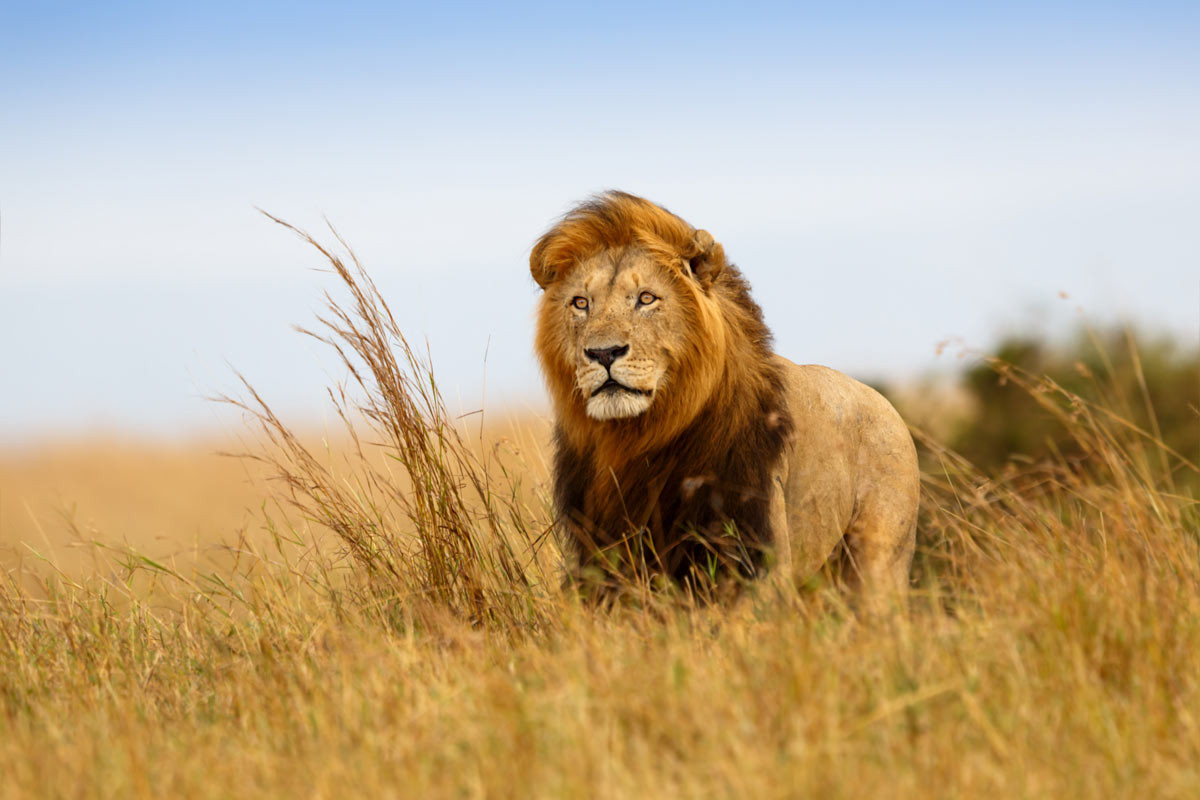
Ask this question online and you’ll find a jumble of figures. That’s because counting lions across an area the size of Texas is an imperfect science, not an exact tally. The most important truth is this: Tanzania holds one of Africa’s most significant and vital lion populations. The Serengeti ecosystem, a vast tapestry of protected land, is one of their last strongholds. The numbers you see quoted—whether referencing the Serengeti, the wider country, or specific studies—vary because methods and years differ. Some counts are based on scientific modeling, others on observational data. The takeaway isn’t a single, magic number, but the undeniable reality that this country is a global stronghold for the species. When you’re here, you’re in one of the best places on Earth to witness lions living as they have for millennia. The landscapes are large enough to support their pride structures and ancient rhythms. The precise count matters to conservationists; the thriving, visible presence is what you’ll remember. If you’re seeking lion sightings in Tanzania, you are in the heart of their world.
Seeing a lion is a privilege, but it’s not a given forever. Their future is a story written in the tension between wild spaces and human needs. Beyond the protected parks lie villages and farmlands. Habitat loss and human-wildlife conflict are the real, daily pressures facing these prides. This is where your visit becomes part of the story. Tourism, when done responsibly, provides a powerful economic argument for keeping these landscapes wild. The park fees you pay, the local guides you employ, the community-run lodges you support—they all contribute to a system that says a living lion is more valuable than a piece of converted land. You’re not just a spectator; you’re a participant in a modern conservation model. Choosing operators who prioritize ethical practices and contribute to genuine community and conservation projects is one of the most significant choices you can make for lion conservation.
Not all savannahs are created equal. Your chances of remarkable lion encounters change dramatically depending on where you point your vehicle. The Serengeti is the legendary stage, of course, with its endless plains supporting massive prides and the dramatic theater of the Great Migration. But don’t overlook the Ngorongoro Crater. This sunken Eden, with its permanent water and dense prey, supports a high density of lions, including famous black-maned males; sightings here are often incredibly intimate and clear. Tarangire National Park, often in the shadow of its famous neighbors, offers a different scene—lions adapting to a landscape of ancient baobabs and seasonal rivers, sometimes even climbing trees to catch a breeze. For a truly wildcard experience, the remote and vast Selous (now Nyerere National Park) offers a sense of untouched adventure where lions rule a different, wetland-ridged kingdom. A well-planned Tanzania predator safari often combines two or more of these regions to show you the full spectrum of lion life and sightings in Tanzania.
The secret isn’t just where, but when. The dry season is your friend. When waterholes shrink and the grass turns blond, wildlife concentrates. Lions don’t have to wander as far, and their prey is easier to spot. In the Serengeti, the drama peaks during the Great Migration river crossings (a timing that varies year-to-year but often falls between July and October), when lions lie in wait for the exhausted wildebeest. The crater is spectacular year-round due to its contained ecosystem. The green season has its own magic—lusher landscapes, fewer visitors, and the thrill of watching lion cubs play in the rain—but the long grass can make sightings more of a treasure hunt. There is no “bad” time, only different experiences. The key is matching the season to the kind of wilderness moment you’re dreaming of during your Tanzania predator safari.
Forget the instant gratification of television. A game drive is a slow, sensory meditation. You’ll spend hours scanning the horizon, learning to read the alarm calls of birds and the tense posture of impala. Your guide will turn off the engine, and you’ll listen to the wind. Then, a shape resolves in the grass. The hush that falls is profound. You’ll watch a lioness groom her sisters, a male yawn with terrifying teeth, cubs tumbling over each other. You might watch a pride sleep for an hour in the shade—and it will be mesmerizing. This is passive observation; you are a quiet guest in their world. The vehicle is your blind, and the rules are strict: no standing, no loud noises, no sudden movements. The magic is in the ordinary moments: the flick of an ear, the slow blink of golden eyes. It’s not always action, but it is always real. These are the true moments of lion sightings Tanzania travelers remember.
The question “are lions dangerous?” is natural. The answer is yes, they are powerful wild predators. But the context of a well-managed safari completely changes the equation. Lions in national parks see vehicles as part of the landscape—a large, noisy, harmless object. They do not see the people inside as prey or as a threat, provided the rules are followed. Your safety hinges on two things: the experience of your guide and your own behavior. A seasoned guide knows pride territories, reads animal behavior, and maintains a respectful distance. They will never corner an animal or provoke a reaction for a photo. Your job is to stay seated, speak quietly, and follow instructions. The perceived danger is what makes the experience exhilarating, but the actual risk, when with a reputable operator, is exceptionally low. You are safe to feel the full, awe-inspiring weight of their presence on a Tanzania predator safari.
It might seem like magic, but it’s a craft born of knowledge. Your guide is reading a living map. They know which kopjes (rocky outcrops) a particular pride uses as a lookout. They watch for vultures circling, which can signal a kill. They listen for the warning barks of baboons or zebra. They talk to other guides on the radio, sharing sightings respectfully to avoid crowding. They understand that early morning and late afternoon, when lions are most active, are the golden hours. They’re also tracking the subtle signs—a flattened patch of grass in the shade, a well-used path through the brush. This deep, localized knowledge is why going with a skilled, Tanzanian-owned operator is invaluable. They’re not just drivers; they are interpreters of the bush, connecting you to the story happening all around you, especially when seeking Serengeti lions.
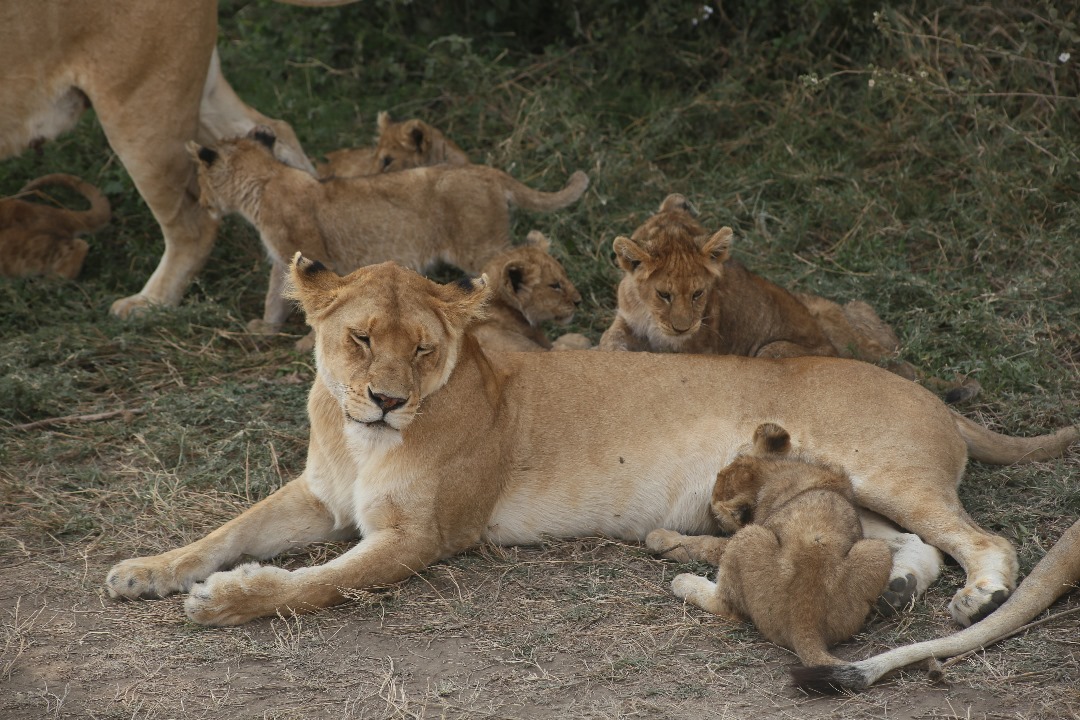
Your responsibility starts long before you raise your camera. It begins with choosing an operator that demonstrates clear ethical practices. This means maintaining mandated distances, not exceeding allowed vehicle numbers at a sighting, and never feeding or baiting wildlife. It means supporting camps that employ local staff, source food sustainably, and manage their waste and water thoughtfully. In the moment, it means patience. If a pride is sleeping, enjoy the quiet observation; don’t pressure your guide to “get closer” for a better shot. Your presence has an impact. The goal is to ensure it’s a positive one—leaving no trace but your wonder, and contributing to a system that ensures the lions you meet today will be here for generations to come. An ethical Tanzania predator safari ensures this lasting impact.
It’s easy to get lion-tunnel vision. But to truly understand them, you must see their world. Watch a lioness stalk, and you’ll start to appreciate the incredible alertness of the Thomson’s gazelle. See a male defend his territory, and you’ll understand the social structure of the buffalo herd he’s sizing up. The lions are the apex, but the story is in the connections: the hyenas that will scavenge their kill, the vultures waiting in the trees, the grasses that feed the prey. A great safari reveals this web. When you spend time watching the ungulates, the birds, the insects, the very shape of the land, the lion’s place in it becomes more profound. They are not a standalone attraction; they are the keystone in a breathing, balanced arch of life. Spotting Serengeti lions is part of a much bigger, interconnected story.
You’ll leave with photos, of course. But what will stay with you is the feeling. The smell of dust and wild sage. The vibration of that first roar in your chest. The profound quiet of a shared gaze with a creature that owes you nothing. You’ll carry a new understanding of wilderness not as a separate place, but as a necessary, fragile state of being. You’ll become an advocate, not just for lions, but for the vast, interconnected systems that support them. The real truth about lions in Tanzania isn’t just a set of facts; it’s a feeling of humility and connection that redefines your place in the world. That is the real trophy, and what echoes long after your lion sightings in Tanzania end.
How many lions are there in Tanzania?
Tanzania hosts one of Africa’s most important lion populations, centered in the Serengeti ecosystem. Pinpointing a single, exact number is challenging due to different survey methods and the vast, remote areas involved. Various sources provide different estimates for the Serengeti and the country as a whole. The key takeaway is that Tanzania remains a critical global stronghold for the species, making lion sightings Tanzania travelers seek likely here.
Are lions in Tanzania dangerous to safari tourists?
Lions are wild predators and inherently dangerous if the rules are broken. However, on a well-managed safari with an experienced guide, the risk is very low. Lions perceive safari vehicles as a single, large entity and do not typically associate them with food or threat. Your safety depends on staying seated inside the vehicle, speaking quietly, and always following your guide’s expert instructions.
What is the best park in Tanzania to see lions?
Different parks offer different experiences. The Serengeti is legendary for large prides and migration drama—key for Serengeti lions. The Ngorongoro Crater offers high-density, reliable sightings in a stunning setting. Tarangire provides a more intimate, baobab-dotted landscape. For a remote wilderness feel, consider Selous (Nyerere NP). Many safaris combine two or more parks for a complete picture and diverse Tanzania predator safari.
When is the best time to see lions in Tanzania?
The dry season generally offers the best visibility, as animals congregate around water sources and the grass is shorter. This is also the time of the dramatic wildebeest river crossings in the Serengeti. However, the green season has its own beauty, with newborn cubs and lush scenery, though longer grass can make spotting more challenging. There are lions to be seen year-round during a Tanzania predator safari.
Can I see a lion kill on safari?
Predation is a natural part of the ecosystem, but it is a relatively rare event to witness. Hunts often occur at night or in dense brush. While you may come across a kill site with a pride feeding, sighting an active hunt requires immense patience and luck. It is never guaranteed, and ethical guides will not chase or harass animals to try to instigate a hunt.
How close will we get to the lions?
Your guide will approach to a distance that is respectful and safe, following park regulations. In open areas like the Serengeti plains or the Crater floor, lions are often relaxed and may be quite close to vehicles. The distance can feel surprisingly intimate, but your guide will always prioritize the animals’ comfort and your safety, never cornering or surrounding them during lion sightings in Tanzania.
What should I do if a lion walks near our vehicle?
Stay seated, remain calm, and speak in a low voice. Enjoy the moment! Avoid sudden movements or standing up. Your guide is trained for this. The lion is likely just using the road as a path or moving past the vehicle without concern. This is a common and thrilling part of the safari experience when protocols are followed, especially during a Tanzania predator safari.
How does tourism help lion conservation?
Responsible tourism creates a direct economic value for living lions and their habitat. Park entry fees fund anti-poaching patrols and habitat management. Employing local guides and staff provides communities with livelihoods linked to wildlife preservation. This economic incentive is a powerful tool in combating habitat loss and human-wildlife conflict, especially for the continued survival of Serengeti lions.
What’s the difference between a lion in the Serengeti and one in the Crater?
Serengeti lions live in a vast, unfenced ecosystem and follow the migration. Their territories are huge. Ngorongoro Crater lions live in a concentrated, resource-rich bowl. This can lead to smaller territories, higher pride densities, and the famous black-maned males. Behaviorally, they are the same species, but their lives are shaped by these dramatically different landscapes.
Is it ethical to go on a lion safari?
Yes, when done responsibly. The key is choosing operators who adhere to strict viewing guidelines, maintain proper distances, support local communities, and contribute to conservation. Your visit, when channeled through ethical businesses, provides the financial rationale for protecting these wild spaces and the animals that call them home. A thoughtfully planned Tanzania predator safari can directly support lion conservation.